
As people grow older, their health needs begin to change. Aging is a natural part of life, but it often brings physical, emotional, and mental challenges. Many older adults live with long-term illnesses such as diabetes, heart disease, arthritis, high blood pressure, and breathing problems. These conditions are known as chronic diseases because they last for a long time and usually require regular treatment and care.
Elderly wellness and chronic disease management are important because they help seniors live healthier, safer, and happier lives. With the right care, healthy habits, and emotional support, older adults can stay active and independent for many years.
Understanding Elderly Wellness
Elderly wellness means maintaining good overall health in old age. It includes physical health, mental well-being, emotional balance, and social connection. Wellness is not only about avoiding illness. It is also about feeling good, staying active, and enjoying life.
Many seniors face health challenges because the body becomes weaker with age. Bones may become fragile, muscles may lose strength, and the immune system may not work as effectively. Some people may also experience memory loss or emotional stress due to loneliness or changes in lifestyle.
However, growing older does not mean losing the ability to live a meaningful life. Many seniors stay healthy through regular exercise, healthy eating, social activities, and proper medical care.
Common Chronic Diseases in Older Adults
Chronic diseases are very common among elderly people. These conditions may not be completely cured, but they can often be controlled with proper treatment and healthy living.
1. Heart Disease
Heart disease is one of the leading causes of death among older adults. It includes problems such as heart attacks, heart failure, and blocked blood vessels. Risk factors include high cholesterol, smoking, obesity, and lack of physical activity.
2. Diabetes
Diabetes affects the body’s ability to control blood sugar levels. Older adults with diabetes need regular monitoring, medication, and healthy eating habits to prevent complications.
3. Arthritis
Arthritis causes pain and stiffness in the joints. It can make daily activities difficult for seniors. Exercise, physical therapy, and medications often help reduce pain.
4. High Blood Pressure
High blood pressure, also called hypertension, is very common in elderly people. If not controlled, it can increase the risk of stroke and heart disease.
5. Chronic Respiratory Diseases
Breathing problems such as asthma and chronic obstructive pulmonary disease (COPD) affect many seniors. These conditions may make it difficult to perform normal activities.
6. Alzheimer’s Disease and Dementia
Memory-related illnesses can affect thinking, communication, and behavior. These conditions often require long-term support from family members and healthcare professionals.
Importance of Chronic Disease Management
Managing chronic diseases is very important for older adults because it improves quality of life and reduces serious health complications. Good disease management can help seniors remain independent and avoid unnecessary hospital visits.
Chronic disease management involves:
- Regular doctor visits
- Taking medicines correctly
- Monitoring symptoms
- Following healthy lifestyle habits
- Emotional and mental support
- Family involvement
When elderly patients understand their condition and receive proper support, they are more likely to stay healthy and active.
Healthy Eating for Seniors
Nutrition plays a major role in elderly wellness. Older adults need balanced meals that provide energy, vitamins, minerals, and protein.
A healthy diet for seniors should include:
- Fresh fruits and vegetables
- Whole grains
- Lean proteins such as fish and chicken
- Low-fat dairy products
- Plenty of water
Seniors should avoid too much sugar, salt, and processed food because these can worsen chronic diseases like diabetes and high blood pressure.
Some elderly people may lose appetite or have difficulty chewing food. In such cases, soft and nutritious meals are helpful.
Physical Activity and Exercise
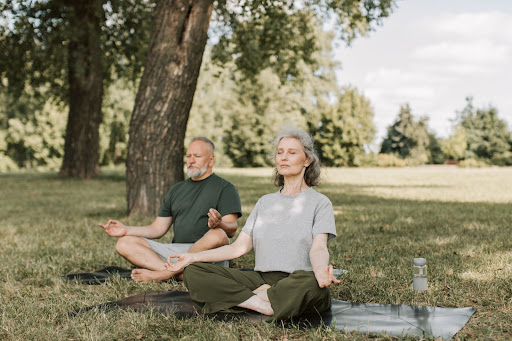
Exercise is one of the best ways to improve elderly wellness. Regular physical activity strengthens muscles, improves balance, supports heart health, and reduces stress.
Simple exercises for seniors include:
- Walking
- Stretching
- Light yoga
- Swimming
- Chair exercises
Even small amounts of daily activity can make a big difference. Exercise also helps reduce the risk of falls, which are common among older adults.
Before starting any exercise routine, seniors should speak with their doctor to choose safe activities.
Mental and Emotional Health
Mental health is just as important as physical health. Many seniors experience loneliness, anxiety, or depression, especially after retirement or the loss of loved ones.
Social connection can improve emotional well-being. Spending time with family, joining community groups, or participating in hobbies helps seniors stay mentally active and happy.
Activities such as reading, puzzles, gardening, and learning new skills may also improve memory and brain health.
Family support plays a major role in helping elderly people feel loved and valued.
Importance of Regular Medical Checkups
Routine health checkups help detect problems early and prevent complications. Seniors should visit healthcare providers regularly for:
- Blood pressure checks
- Blood sugar testing
- Eye exams
- Dental care
- Vaccinations
- Cancer screenings
Doctors may also review medications to avoid harmful side effects or interactions.
Many older adults take several medicines at the same time. Proper medication management is necessary to ensure safety and effectiveness.
Role of Caregivers and Family Members
Caregivers are important in elderly wellness and chronic disease management. Family members often help seniors with daily tasks, medical appointments, and emotional support.
Good caregivers:
- Encourage healthy habits
- Help manage medications
- Watch for health changes
- Provide companionship
- Support independence when possible
Caring for an elderly loved one can sometimes be stressful. Caregivers should also take care of their own physical and emotional health.
Technology in Elderly Healthcare
Modern technology has improved healthcare for older adults. Many seniors now use devices and apps to monitor their health at home.
Examples include:
- Blood pressure monitors
- Glucose meters
- Smart watches for heart rate tracking
- Medication reminder apps
- Telemedicine services
Telemedicine allows seniors to speak with doctors online, which is especially helpful for those with limited mobility.
Technology can make chronic disease management easier and more convenient.
Preventing Chronic Diseases in Old Age
Although some health conditions are linked to aging, many chronic diseases can be prevented or delayed through healthy lifestyle choices.
Important prevention tips include:
- Eating nutritious foods
- Staying physically active
- Avoiding smoking and alcohol abuse
- Getting enough sleep
- Managing stress
- Maintaining regular health checkups
Healthy habits developed earlier in life can lead to better health in old age.
Conclusion
Elderly wellness and chronic disease management are essential for improving the lives of older adults. Aging may bring health challenges, but with proper care, support, and healthy habits, seniors can continue to live active and meaningful lives.
Managing chronic illnesses requires teamwork between healthcare providers, family members, caregivers, and seniors themselves. Good nutrition, exercise, mental health support, and regular medical care all play important roles in maintaining wellness.
Every older adult deserves respect, comfort, and quality healthcare. By focusing on prevention and proper disease management, society can help seniors enjoy healthier and happier lives.
Frequently Asked Questions (FAQs)
1. What is elderly wellness?
Elderly wellness refers to the overall physical, mental, emotional, and social health of older adults. It focuses on helping seniors live healthy and active lives.
2. What are common chronic diseases in older adults?
Common chronic diseases include diabetes, heart disease, arthritis, high blood pressure, asthma, COPD, and Alzheimer’s disease.
3. Why is exercise important for seniors?
Exercise helps improve strength, balance, heart health, flexibility, and mental well-being. It also reduces the risk of falls and chronic health problems.
4. How can families support elderly people with chronic diseases?
Families can help by encouraging healthy habits, assisting with medications, providing emotional support, and helping with medical appointments.
5. Can chronic diseases be prevented in old age?
Some chronic diseases can be prevented or delayed through healthy eating, regular exercise, avoiding smoking, managing stress, and getting routine medical checkups.