
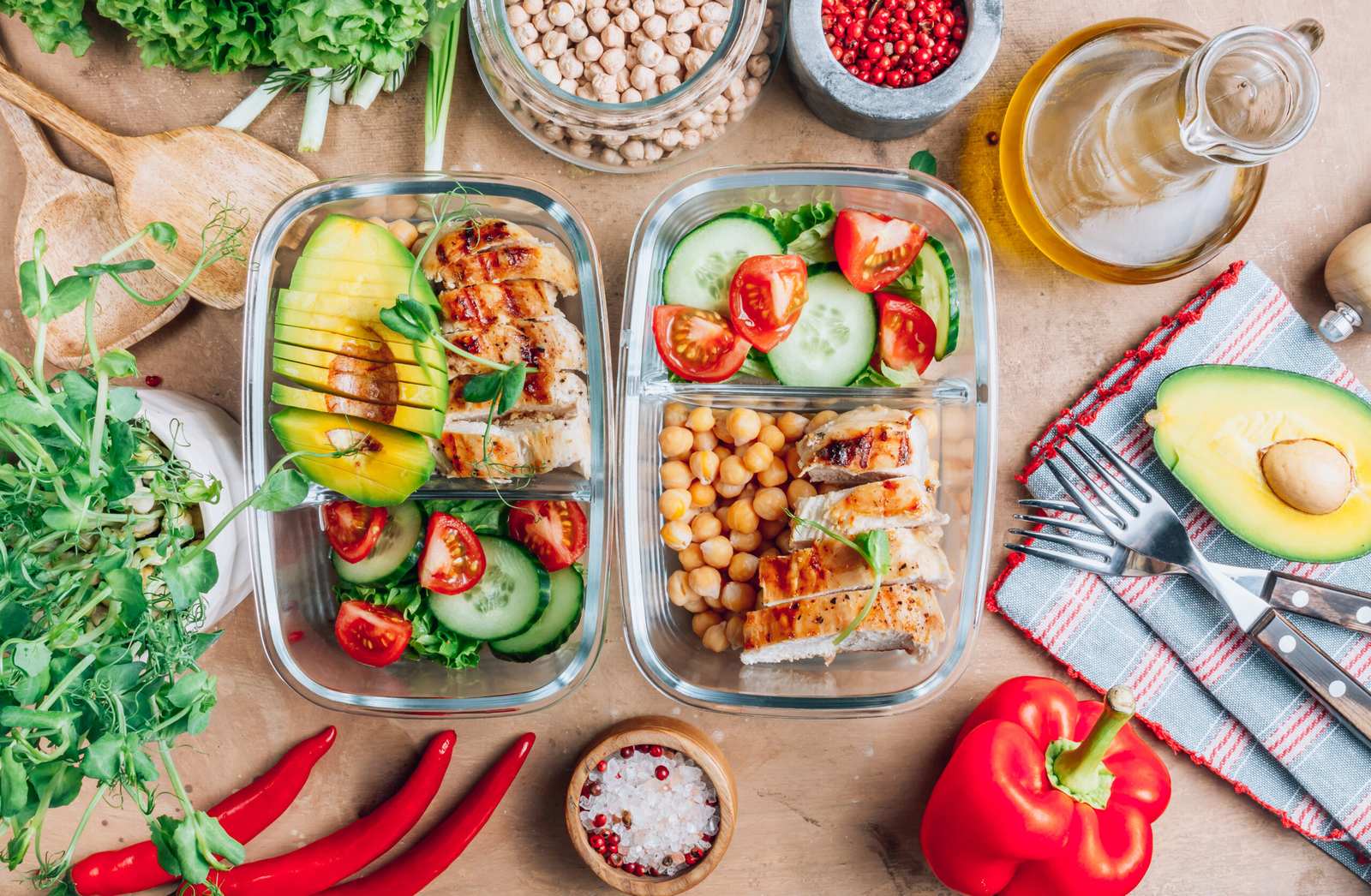
In today’s fast-paced world, many professionals struggle to maintain a healthy lifestyle. Long working hours, tight deadlines, meetings, commuting, and constant mental pressure often leave little time to think about what to eat. As a result, people tend to rely on fast food, skipped meals, or unhealthy snacks that may save time but harm long-term health.
This is where healthy meal planning for busy professionals becomes a game changer. It is not about strict dieting or complicated cooking. Instead, it is a simple, smart system of planning meals in advance so that you eat better, save time, reduce stress, and stay energized throughout the day.
In this article, we will explore what meal planning really means, why it is important, and how busy professionals can easily apply it in real life without feeling overwhelmed.
What is Healthy Meal Planning?
Healthy meal planning means deciding in advance what you will eat for your meals during the week. It includes choosing recipes, preparing grocery lists, and sometimes cooking meals ahead of time.
For busy professionals, it is not about spending hours in the kitchen. Instead, it is about making smart choices that reduce daily decision-making and ensure your body gets proper nutrition.
For example, instead of asking “What should I eat today?” every morning, you already know your breakfast, lunch, and dinner for the next few days.
Why Meal Planning is Important for Busy Professionals
When life gets busy, food choices often become random. This can lead to low energy, poor concentration, and even long-term health problems. Meal planning solves many of these issues.
1. Saves Time Every Day
Instead of cooking from scratch or deciding what to order, you already have a plan. This reduces stress and saves valuable time during busy mornings and evenings.
2. Improves Health
Planned meals are usually more balanced. You include proteins, vegetables, fruits, and whole grains instead of relying on processed food.
3. Reduces Food Waste
When you plan meals, you buy only what you need. This prevents unnecessary grocery purchases and reduces waste.
4. Saves Money
Eating out regularly is expensive. Meal planning helps you cook at home more often and control your budget.
5. Increases Productivity
Good food fuels your brain. When you eat healthy meals, you feel more energetic, focused, and productive at work.
How Busy Professionals Can Start Meal Planning
Starting meal planning does not need to be complicated. You can begin with small steps.
Step 1: Plan Only 3–4 Days First
Instead of planning a full week, start with a few days. This makes the habit easier to build.
Step 2: Choose Simple Recipes
You do not need fancy meals. Focus on simple dishes like grilled chicken, rice bowls, salads, sandwiches, or stir-fried vegetables.
Step 3: Create a Grocery List
Once your meals are decided, write down everything you need. This saves time at the store and avoids unnecessary purchases.
Step 4: Prep in Advance
If possible, chop vegetables, cook rice, or marinate proteins ahead of time. Even 30–60 minutes of prep can save hours later.
Step 5: Use Leftovers Smartly
Leftovers are not boring if used creatively. Yesterday’s grilled chicken can become today’s sandwich or salad topping.
Example of a Simple Meal Plan for Busy Professionals
Here is a basic example of a one-day meal plan:
- Breakfast: Oatmeal with banana and nuts
- Mid-morning snack: Apple or yogurt
- Lunch: Grilled chicken with brown rice and vegetables
- Evening snack: Handful of almonds or green tea
- Dinner: Vegetable soup with whole grain bread
This type of meal plan is easy, balanced, and does not require complex cooking skills.
Smart Tips for Successful Meal Planning
Keep It Flexible
Life is unpredictable. Sometimes you may eat out or miss a planned meal. That is okay. Flexibility helps you stay consistent.
Batch Cooking is Your Friend
Cooking larger portions at once saves time. You can store meals in the fridge for 2–3 days.
Use a Weekly Theme
You can simplify planning by assigning themes:
- Monday: Chicken meals
- Tuesday: Vegetarian meals
- Wednesday: Pasta or rice bowls
This reduces decision fatigue.
Invest in Good Containers
Food storage containers help keep meals fresh and organized. They also make it easier to carry lunch to work.
Don’t Aim for Perfection
Meal planning is not about being perfect. Even 70% consistency brings great results.
Common Mistakes to Avoid
Overcomplicating Meals
Many people quit meal planning because they choose difficult recipes. Keep it simple.
Not Planning Snacks
Busy professionals often forget snacks and end up eating junk food. Always include healthy snack options.
Ignoring Time Reality
Do not plan meals that take 1 hour to cook on a workday. Be realistic about your schedule.
Not Having Backup Options
Always keep quick backup foods like eggs, canned beans, or frozen vegetables for busy days.
Benefits You Will Notice Over Time
After a few weeks of consistent meal planning, you will notice positive changes:
- Better energy levels throughout the day
- Improved focus at work
- Less stress about food decisions
- Healthier body weight management
- Better sleep quality
- More control over your lifestyle
The biggest benefit is not just physical health, but mental peace. You no longer worry about “what to eat next.”
Healthy Meal Planning and Work-Life Balance
Busy professionals often struggle to balance work and personal life. Meal planning acts like a support system. When your food is already sorted, you free up mental space for more important things like family, hobbies, or rest.
It also helps you avoid unhealthy late-night eating or skipping meals due to workload.
Final Thoughts
Healthy meal planning for busy professionals is not a trend; it is a lifestyle improvement tool. It simplifies your daily routine, improves your health, and saves both time and money.
You do not need to be a chef or nutrition expert to start. All you need is a little planning, consistency, and willingness to make better choices.
Start small, stay flexible, and build the habit step by step. Over time, you will realize that good planning leads to a healthier body and a calmer mind.
FAQs
1. Is meal planning difficult for beginners?
No, it is very simple. You can start with just 2–3 meals a day and slowly build the habit.
2. How much time does meal planning take?
Usually 30–60 minutes per week is enough to plan meals and prepare a grocery list.
3. Can I still eat outside while meal planning?
Yes, meal planning is flexible. You can still eat out occasionally without breaking your routine.
4. What foods are best for busy professionals?
Simple, nutritious foods like eggs, chicken, vegetables, rice, oats, fruits, and yogurt are ideal.
5. Do I need special cooking skills for meal planning?
Not at all. Basic cooking skills are enough. The focus is on simplicity, not complexity.