
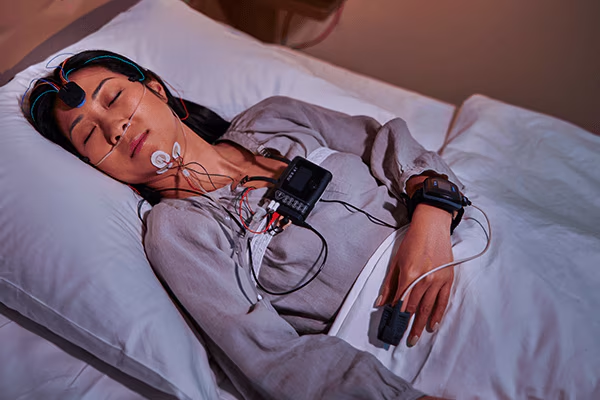
Sleep is one of the most important parts of human health, yet many people struggle with poor sleep without even knowing the exact reason. This is where a sleep study and polysomnography testing center becomes very helpful. These centers are specially designed places where doctors study how you sleep, what problems affect your sleep, and how your breathing, brain, and body behave during the night.
In this article, we will explain everything in a simple and human way so you can clearly understand what a sleep study is, what polysomnography means, how these centers work, and why they are important for your health.
What is a Sleep Study?
A sleep study is a medical test that checks how well you sleep. It is done overnight in a special clinic or hospital room. During the test, machines record your sleep activities, such as:
- Your breathing pattern
- Heart rate
- Brain waves
- Eye movements
- Body movements
- Oxygen levels
Doctors use this information to find sleep disorders that you may not notice on your own.
Many people think sleep problems are normal, but in reality, conditions like snoring, tiredness during the day, or waking up frequently at night can be signs of a deeper issue.
What is Polysomnography?
Polysomnography is the scientific name for a full sleep study test. The word may sound complicated, but it simply means “multiple sleep measurements.”
In polysomnography, many body functions are monitored at the same time while you sleep. Small sensors are placed on your body, usually painless, to collect data. These sensors track:
- Brain activity (EEG)
- Eye movement (EOG)
- Muscle activity (EMG)
- Heart rhythm (ECG)
- Breathing effort and airflow
- Oxygen levels in blood
All this information helps doctors understand what is happening inside your body while you sleep.
What is a Sleep Study and Polysomnography Testing Center?
A sleep study and polysomnography testing center is a special medical facility where sleep tests are performed. It is designed to feel like a comfortable bedroom so patients can sleep naturally.
These centers usually have:
- Private, quiet sleep rooms
- Comfortable beds
- Advanced monitoring equipment
- Sleep technicians and medical staff
- Video and audio recording systems
The goal is to observe your sleep in a natural environment while collecting accurate medical data.
Why Do People Need a Sleep Study?
Many people visit a sleep study center because they experience sleep-related problems. Some common reasons include:
1. Loud Snoring
Snoring may seem harmless, but in some cases, it can be linked to blocked airways or sleep apnea.
2. Sleep Apnea
This is a serious condition where breathing stops and starts during sleep.
3. Insomnia
People who cannot fall asleep or stay asleep may need a sleep test.
4. Daytime Fatigue
Feeling tired all day even after sleeping for hours can indicate poor sleep quality.
5. Restless Sleep
Frequent movement or waking up during the night can be a sign of a sleep disorder.
What Happens During a Sleep Study?
When you go to a sleep study center, the process is simple and safe.
Step 1: Arrival at the Center
You arrive in the evening, usually around your normal bedtime.
Step 2: Setup of Sensors
A sleep technician places small sensors on your head, chest, and legs. These sensors are painless and safe.
Step 3: Sleeping Overnight
You sleep in a private room while machines record your body activities.
Step 4: Monitoring
Technicians monitor your sleep from another room using cameras and computers.
Step 5: Morning Completion
In the morning, the sensors are removed, and you can go home.
Is Polysomnography Painful?
No, polysomnography is completely painless. The sensors only stick to your skin or are placed lightly. There are no injections or surgery involved. Most people can sleep normally during the test after getting comfortable.
How Results Are Used
After the sleep study, doctors carefully analyze the data. They look for patterns such as:
- Breathing interruptions
- Low oxygen levels
- Abnormal brain waves
- Irregular heart rhythms
- Movement during sleep
Based on these results, doctors can diagnose conditions like:
- Sleep apnea
- Narcolepsy
- Restless leg syndrome
- Insomnia
- Other sleep disorders
Then they suggest treatments such as lifestyle changes, breathing devices, or medications.
Benefits of a Sleep Study and Polysomnography Testing Center
There are many benefits of visiting a sleep center:
1. Accurate Diagnosis
It provides detailed information about your sleep health.
2. Better Treatment
Doctors can create a proper treatment plan based on real data.
3. Improved Energy Levels
Treating sleep problems improves daily energy and focus.
4. Better Heart Health
Good sleep reduces stress on the heart and improves overall health.
5. Improved Quality of Life
When you sleep better, your mood, productivity, and mental health also improve.
How to Prepare for a Sleep Study
If you are going for a sleep study, here are some simple tips:
- Avoid caffeine before the test
- Bring comfortable sleep clothes
- Do not take naps during the day
- Wash your hair (no gels or oils)
- Follow doctor instructions
These small steps help ensure accurate results.
Who Should Visit a Sleep Study Center?
You should consider visiting a sleep study center if you:
- Snore loudly every night
- Wake up feeling tired
- Have trouble sleeping
- Stop breathing during sleep (noticed by others)
- Feel sleepy during the day
Even if symptoms seem small, a sleep study can help prevent serious health issues in the future.
Importance of Early Diagnosis
Many sleep disorders are linked to serious health problems like high blood pressure, diabetes, and heart disease. Early testing at a sleep study and polysomnography testing center can help detect problems before they become severe.
Good sleep is not a luxury—it is a necessity for a healthy life.
Conclusion
A sleep study and polysomnography testing center plays an important role in understanding and improving sleep health. It helps doctors study your sleep in detail and find hidden problems that affect your rest and energy. The process is safe, simple, and very useful for diagnosing sleep disorders.
If you often feel tired, snore loudly, or struggle with poor sleep, visiting a sleep center can be a life-changing step toward better health and better sleep.
Frequently Asked Questions (FAQs)
1. What is the main purpose of a sleep study?
The main purpose is to check how your body functions during sleep and diagnose sleep disorders like sleep apnea or insomnia.
2. Is a polysomnography test safe?
Yes, it is completely safe and non-invasive. It only records your body’s activity while you sleep.
3. How long does a sleep study take?
Most sleep studies take one night, usually 6–8 hours of sleep monitoring.
4. Can I sleep normally during the test?
Yes, most people sleep normally, although some may take time to adjust to the environment.
5. Do I need a doctor’s referral for a sleep study?
In most cases, yes. A doctor usually recommends a sleep study based on your symptoms.
