
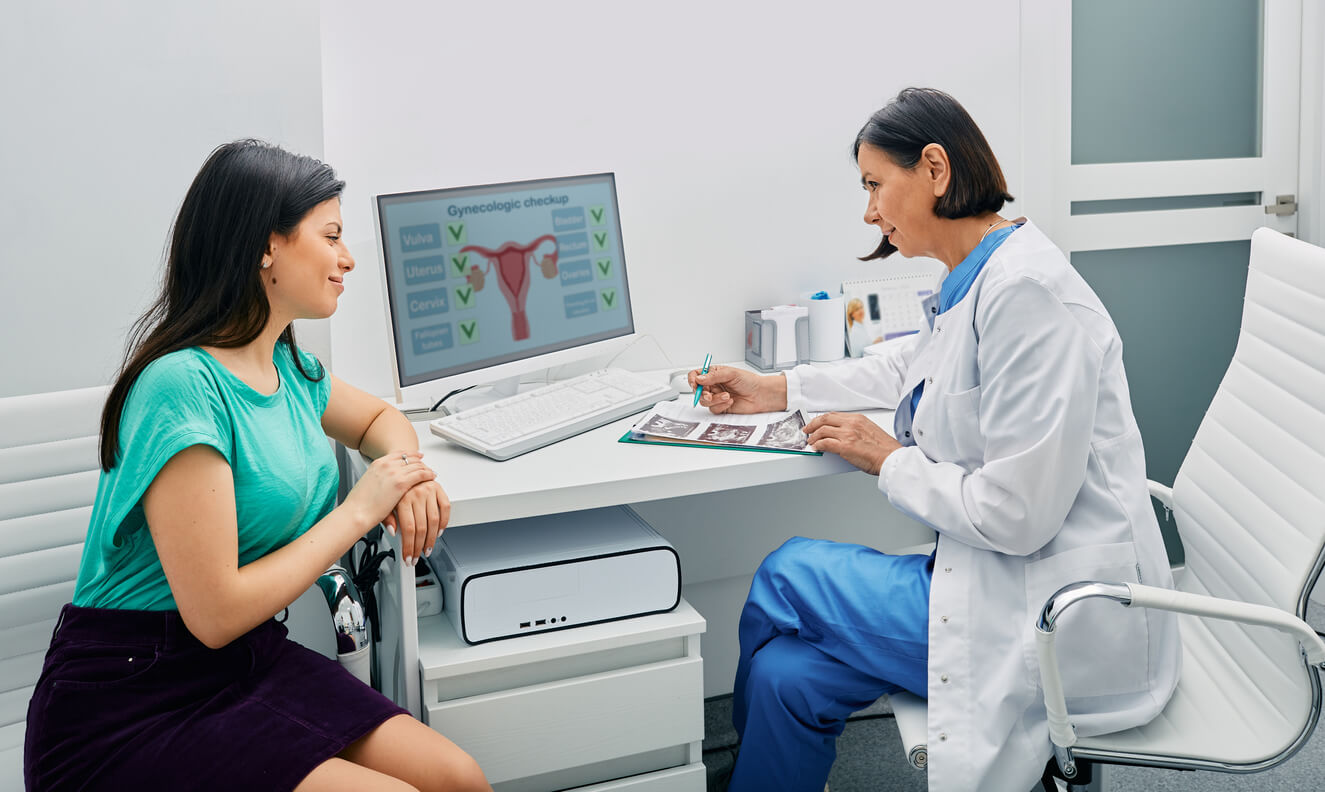
Women reproductive health screening services are an important part of healthcare that focus on checking, preventing, and detecting health problems related to the female reproductive system. These services help women stay healthy through different stages of life, from adolescence to pregnancy, adulthood, and menopause.
Many health issues in women develop silently, meaning there are no early symptoms. That is why regular screening is very important. It helps doctors find problems early when they are easier to treat. In this article, we will explain what women reproductive health screening services are, why they matter, what tests are included, and how they help improve overall well-being.
What Are Women Reproductive Health Screening Services?
Women reproductive health screening services are medical check-ups and tests that focus on the reproductive organs and related health issues. These organs include the uterus, ovaries, fallopian tubes, cervix, and breasts.
The main goal of these services is to:
- Detect diseases early
- Prevent serious health problems
- Monitor reproductive health
- Support fertility and pregnancy health
- Improve long-term well-being
These screenings are usually done in hospitals, clinics, or women’s health centers. Doctors or gynecologists recommend them based on age, medical history, and risk factors.
Why Are These Screening Services Important?
Many women ignore reproductive health check-ups until they experience pain or symptoms. However, some conditions develop without warning signs. For example, cervical cancer, ovarian cysts, and sexually transmitted infections (STIs) may not show symptoms in early stages.
Here are some key reasons why screening is important:
1. Early Detection Saves Lives
Diseases like cervical cancer and breast cancer can be treated successfully if detected early. Screening helps identify these conditions before they become severe.
2. Protects Fertility
Regular check-ups help detect conditions like hormonal imbalance, polycystic ovary syndrome (PCOS), or infections that can affect fertility.
3. Supports Healthy Pregnancy
Screening before and during pregnancy helps ensure both mother and baby are healthy. It reduces risks during childbirth.
4. Prevents Complications
Untreated infections or reproductive disorders can lead to long-term complications. Screening helps prevent these issues early.
5. Improves Quality of Life
Good reproductive health leads to better physical, emotional, and mental well-being.
Common Women Reproductive Health Screening Tests
There are several types of tests included in reproductive health screening services. Each test focuses on a specific area of the reproductive system.
1. Pelvic Examination
A pelvic exam is a basic physical check where the doctor examines the reproductive organs for any abnormalities such as swelling, pain, or infection.
2. Pap Smear Test
This test checks for abnormal cells in the cervix that may lead to cervical cancer. It is one of the most important screening tests for women.
3. HPV Test
The human papillomavirus (HPV) test detects the virus that can cause cervical cancer. It is often done with a Pap smear.
4. Breast Examination and Mammogram
A breast exam checks for lumps or changes in breast tissue. A mammogram is an X-ray of the breast used to detect breast cancer early.
5. Ultrasound Scan
A pelvic ultrasound helps visualize the uterus and ovaries. It can detect cysts, fibroids, or other structural problems.
6. STI Screening
Sexually transmitted infection tests check for diseases like chlamydia, gonorrhea, syphilis, and HIV. These infections can affect reproductive health if untreated.
7. Hormonal Tests
Hormone tests measure levels of estrogen, progesterone, and other hormones. They help diagnose issues like irregular periods or infertility.
8. Bone Density Test (for older women)
This test checks bone health, especially after menopause when the risk of osteoporosis increases.
Who Should Go for Reproductive Health Screening?
Every woman should consider reproductive health screening, but the frequency and type depend on age and risk factors.
- Teenagers and young women: STI screening and menstrual health check-ups
- Women in their 20s and 30s: Pap smears, HPV tests, and fertility checks
- Pregnant women: Regular prenatal screening
- Women over 40: Mammograms, hormone checks, and pelvic exams
- Post-menopausal women: Bone density and hormone-related tests
Women with a family history of cancer, irregular periods, or fertility issues may need more frequent screenings.
Benefits of Women Reproductive Health Screening Services
These services offer many benefits beyond disease detection.
1. Better Awareness of Health
Women become more aware of their bodies and changes that need attention.
2. Reduced Health Risks
Early diagnosis reduces the risk of serious diseases.
3. Improved Fertility Management
Women planning pregnancy can understand their reproductive health better.
4. Peace of Mind
Knowing that everything is normal gives mental relief and reduces stress.
5. Personalized Medical Care
Doctors can provide better treatment plans based on screening results.
When Should You Start Screening?
There is no single age for everyone, but general guidelines include:
- Pap smear: starting at age 21
- Mammogram: around age 40 or earlier if high risk
- STI screening: whenever sexually active or at risk
- Hormonal checks: based on symptoms or doctor advice
Regular check-ups every 1–3 years are usually recommended, depending on health condition.
Lifestyle and Reproductive Health
Screening is important, but lifestyle also plays a big role in reproductive health. Women should also:
- Eat a balanced diet rich in vitamins and minerals
- Exercise regularly
- Maintain a healthy weight
- Avoid smoking and alcohol
- Practice safe sex
- Manage stress levels
A healthy lifestyle supports better reproductive health and reduces risks of many diseases.
Challenges in Women Reproductive Health Screening
Even though these services are important, many women face challenges such as:
- Lack of awareness
- Cultural or social stigma
- Limited access to healthcare
- Fear or embarrassment
- Financial limitations
Education and awareness programs are needed to encourage more women to take these screenings seriously.
Future of Women Reproductive Health Services
Healthcare is improving rapidly. In the future, reproductive health screening services will become more advanced and accessible. New technologies like AI-based diagnosis, home testing kits, and digital health records will make screening easier and faster.
More awareness campaigns are also helping women understand the importance of regular check-ups.
Conclusion
Women reproductive health screening services are essential for maintaining a healthy life. They help detect diseases early, support fertility, ensure safe pregnancy, and improve overall well-being. Every woman should take these screenings seriously as part of her routine healthcare.
Ignoring reproductive health can lead to serious problems, but regular check-ups can prevent most of them. Taking care of your reproductive health is not just about treatment—it is about prevention, awareness, and empowerment.
A healthy woman leads to a healthy family and a healthy society.
Frequently Asked Questions (FAQs)
1. What is the main purpose of reproductive health screening for women?
The main purpose is to detect diseases early, prevent complications, and ensure overall reproductive health.
2. How often should women go for reproductive health screening?
It depends on age and health condition, but generally every 1 to 3 years is recommended.
3. Is Pap smear test painful?
No, it may cause slight discomfort but it is not painful. It is a quick and important test for cervical health.
4. Can young women also need reproductive health screening?
Yes, young women may need STI tests and basic reproductive health check-ups, especially if sexually active.
5. Are these screening services only for married women?
No, reproductive health screening is for all women regardless of marital status. It focuses on health, not relationship status.
Table of content
- 1. Early Detection Saves Lives
- 2. Protects Fertility
- 3. Supports Healthy Pregnancy
- 4. Prevents Complications
- 5. Improves Quality of Life
- 1. Pelvic Examination
- 2. Pap Smear Test
- 3. HPV Test
- 4. Breast Examination and Mammogram
- 5. Ultrasound Scan
- 6. STI Screening
- 7. Hormonal Tests
- 8. Bone Density Test (for older women)
- 1. Better Awareness of Health
- 2. Reduced Health Risks
- 3. Improved Fertility Management
- 4. Peace of Mind
- 5. Personalized Medical Care
- 1. What is the main purpose of reproductive health screening for women?
- 2. How often should women go for reproductive health screening?
- 3. Is Pap smear test painful?
- 4. Can young women also need reproductive health screening?
- 5. Are these screening services only for married women?
