
In today’s fast-paced world, feeling constantly stressed or continuously stressing over daily demands has become the default state for millions. Whether it is looming work deadlines, financial burdens, or personal relationships, learning how to manage stress is no longer just a luxury—it is a vital skill for long-term health. Understanding what is stress and implementing effective stress management can fundamentally transform your quality of life, boosting both your physical stamina and mental clarity.
Understanding the Basics: What Is Stress and How Does It Affect You?
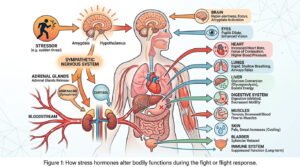
To master stress management, we must first answer a fundamental question: what is stress? Scientifically speaking, stress is a physiological and psychological reaction to any external or internal demand placed upon the body. When confronted with a perceived threat, your body enters a high-alert state known as the fight or flight response (also referred to as the fight-or-flight response, fight and flight response, flight or fight response, or fight flight stress response).
When activated into fight or flight mode, your brain signals the adrenal glands to flood your bloodstream with chemicals. The primary stress hormone released during this cycle is cortisol, along with adrenaline. While these stress hormones are essential for short-term survival, remaining in a perpetual state of stress triggers psychological stress and severe physical wear and tear.
Uncovering the Root Causes: What Causes Stress in Modern Life?
Understanding what causes stress and identifying your personal causes of stress is the first step toward building effective stress coping strategies.
-
Workplace Demands: Long working hours, tight deadlines, and poor work-life balance.
-
Financial Pressures: Unforeseen expenses, debt, and economic uncertainty.
-
Relationship Strain: Conflict with family, partners, or colleagues.
-
Health Challenges: Living with physical ailments or managing stress and anxiety.
-
Major Life Transitions: Moving, changing careers, or dealing with unexpected loss.
When these pressures persist over weeks or months, acute tension turns into chronic stress, which severely compromises bodily function and overall mental well-being.
Recognizing the Hidden Signs and Symptoms of Stress
Before exploring how to relieve stress, you must be able to recognize the warning symptoms of stress. Symptoms often manifest across three main domains:
-
Physical Symptoms: Muscle tension, frequent headaches, fatigue, digestive trouble, and rapid heart rate.
-
Emotional Symptoms: Irritability, feeling overwhelmed, rapid mood swings, and persistent worrying.
-
Behavioral Symptoms: Sleep disruptions, procrastination, changes in appetite, and social withdrawal.
Ignoring these signals can lead to severe burnout, making it vital to learn how to decrease stress before physical breakdown occurs.
The Biological Chain Reaction: Stress Hormones and the Stress Response
The physiological stress response is a complex biochemical cascade. When a stressor occurs, your hypothalamus triggers your adrenal glands to secrete cortisol—the main stress hormone—and adrenaline.
In controlled bursts, this response sharpens focus and accelerates reaction times. However, when the stress response remains activated indefinitely, high levels of cortisol disrupt digestion, suppress immunity, increase blood pressure, and cause sleep interference. Understanding how is stress managed biologically empowers individuals to choose lifestyle habits that systematically lower systemic cortisol.
Stress vs. Anxiety: Understanding the Critical Differences
Many people use the terms interchangeably, but understanding stress and anxiety requires distinguishing between external triggers and internal emotional states:
Recognizing whether you are dealing primarily with acute tension or lingering apprehension helps you choose the right anxiety management tools or targeted stress reduction management workflows.
Daily Foundations: Easy Ways to Reduce Stress Daily
You do not need massive lifestyle overhauls to see immediate improvements. Implementing easy ways to reduce stress daily creates a strong defensive buffer against daily friction:
-
Structured Micro-Breaks: Step away from screens for 5 minutes every hour.
-
Hydration & Nutrition: Drink adequate water and avoid drastic blood sugar spikes.
-
Time Chunking: Break complex tasks into small, manageable action steps.
-
Daily Movement: A brief 10-minute walk can immediately act as an activity to relieve stress.
Adopting these easy relaxation tips for stress ensures that daily tension does not accumulate into systemic exhaustion.
Natural Pathways: How to Reduce Stress Naturally
If you want to know how to reduce stress naturally, prioritizing holistic lifestyle adjustments yields powerful, sustainable results.
Key holistic approaches include:
-
Herbal Adaptogens: Utilizing botanical aids like ashwagandha for stress management helps modulate cortisol activity in the adrenal system.
-
Whole-Food Nutrition: Eating magnesium-rich leafy greens, nuts, and omega-3 fatty acids stabilizes nervous system function.
-
Sunlight Exposure: Morning sunlight regulates circadian rhythms, improving sleep quality and reducing evening anxiety.
-
Magnesium Supplementation: Supports muscle relaxation and central nervous system balance.
Learning how to lower stress through natural approaches allows your body to regain balance without relying exclusively on clinical interventions.
Physical Movement: Best Exercises for Stress Relief
Physical activity is widely considered the single most effective stress relief method available. Exercise burns off excess adrenaline and stimulates the production of mood-enhancing endorphins.
Top Physical Activities for Tension Release:
-
Brisk Walking or Running: Excellent for clearing mental fog and burning off excess energy.
-
Yoga and Gentle Stretching: Practicing yoga for stress management combines deep breathing with physical movement to release stored physical tension.
-
Resistance Training: Helps channel frustration and anxiety into physical effort, promoting deep physical relaxation afterward.
-
Swimming: The rhythmic motion and weightlessness offer a soothing activity to relieve stress.
Regular exercise is a foundational technique to reduce stress while simultaneously improving physical health.
Mindfulness and Breathing: Easy Relaxation Tips for Stress
When acute tension hits, deep breathing is the fastest technique to relieve stress. Focused breathwork directly stimulates the vagus nerve, signaling your body to exit fight or flight mode and enter a state of rest.
The 4-7-8 Breathing Technique:
-
Inhale quietly through your nose for 4 seconds.
-
Hold your breath for 7 seconds.
-
Exhale completely through your mouth with a soft whoosh sound for 8 seconds.
-
Repeat 4 times to instantly de stress your nervous system.
Integrating simple breathwork into your day provides an immediate, reliable stress relief mechanism whenever pressure mounts.
Sound and Environment: Using Music to De-Stress
Your surrounding environment plays a massive role in regulating psychological tension. Using the best music to relax can rapidly shift your brainwaves into calmer alpha and theta states.
-
Ambient Soundscapes: Gentle rain, ocean waves, or forest sounds lower heart rates.
-
Classical & Instrumental Music: Reduces sympathetic nervous system activation.
-
Binaural Beats: Auditory frequencies designed to encourage deep relaxation and mental focus.
Curating a calm ambient environment serves as a zero-effort method of managing stress during intense work sessions or quiet reflection at home.
Workplace Harmony: How to Manage Stress at Work
Workplace pressure is one of the leading contributors to ongoing strain. Knowing how to reduce stress at work and mastering how to deal with stress at work is critical for long-term career success and personal health.
Actionable Workplace Strategies:
-
Set Clear Boundaries: Communicate realistic deadlines and learn to say no to non-essential tasks.
-
Optimize Your Workspace: Maintain a clean, organized desk to reduce visual cognitive overload.
-
Practice Micro-Breaks: Step away from your desk periodically to perform simple stress lowering techniques.
-
Single-Tasking: Focus on one key priority at a time rather than multitasking, which increases error rates and cognitive fatigue.
By systematically applying these managing stress techniques, you can maintain productivity while safeguarding your mental well-being.
Emotional Stability: How to Build Resilience and Mental Stability
Building long-term protection against continuous pressure requires developing high emotional resilience. Learning how to build resilience and how to develop resilience allows you to bounce back quickly from unexpected setbacks.
Core Principles for Mental Stability:
-
Reframing Negative Thoughts: Cognitive reframing helps transform perceived threats into manageable challenges.
-
Cultivating Social Support: Maintaining strong connections with friends, family, or mentors builds a supportive safety net.
-
Adopting Mental Stability Tips: Practice daily gratitude, maintain consistent sleep schedules, and establish healthy emotional boundaries.
Developing resilience ensures that when life throws unexpected challenges your way, you possess the internal strength to maintain balance and peace of mind.
Nighttime Recovery: Stress Management Techniques for Sleep
Chronic tension and poor sleep form a destructive feedback loop: elevated cortisol disrupts sleep, while poor sleep heightens emotional reactivity the following day. Applying targeted stress management techniques for sleep breaks this cycle.
-
Digital Detox: Turn off screens 60 minutes before bed to allow melatonin production.
-
Evening Wind-Down Routine: Read, practice light stretching, or listen to soothing music to signal that it is time to de-stress.
-
Progressive Muscle Relaxation: Systematically tense and release muscle groups from your toes to your head to release physical tension.
-
Keep a Worry Journal: Write down top concerns and tomorrow’s task list to quiet a racing mind before sleeping.
Optimizing nighttime recovery is a vital stress-reducing technique that restores physical and mental reserves.
Targeted Anxiety Strategies: Coping Mechanisms for Anxiety
When everyday strain evolves into lingering worry, mastering specific anxiety coping strategies becomes necessary. Knowing how to cope with anxiety and how to handle stress requires intentional, structured practice.
Proven Anxiety Coping Skills:
-
The 5-4-3-2-1 Grounding Technique: Acknowledge 5 things you see, 4 things you can touch, 3 things you hear, 2 things you smell, and 1 thing you taste.
-
Cognitive Distraction: Engaged in a structured, focused task to interrupt obsessive worry loops.
-
Acceptance Practices: Acknowledge anxious feelings without judging them, allowing the emotional wave to pass naturally.
Leveraging these coping skills for anxiety and coping mechanisms for anxiety prevents acute panic from escalating into lingering distress.
Comprehensive Coping: Healthy Coping Mechanisms vs. Unhealthy Habits
When learning how to deal with stress, the choice of coping mechanisms dictates whether you achieve true relief or long-term complications.
Healthy vs. Unhealthy Coping Strategies:
-
Healthy Coping Mechanisms:
-
Regular physical exercise and outdoor movement.
-
Open communication with trusted friends or professionals.
-
Practicing formal anxiety management techniques and breathwork.
-
Setting strict healthy personal boundaries.
-
-
Unhealthy Coping Mechanisms:
-
Overeating comfort foods rich in sugar and processed fats.
-
Relying heavily on alcohol, excessive caffeine, or nicotine.
-
Excessive social media scrolling or emotional avoidance.
-
Isolating yourself from supportive social circles.
-
Choosing healthy coping mechanisms builds long-term vitality, whereas reliance on quick fixes increases underlying emotional strain over time.
Professional Support: Stress Psychotherapy and Therapies
When self-guided stress management strategies are not enough, seeking professional guidance is an empowering step. Professional stress therapy and specialized stress psychotherapy offer tailored tools for complex life situations.
-
Cognitive Behavioral Therapy (CBT): Helps reframe distorted thought patterns that fuel continuous anxiety.
-
Mindfulness-Based Stress Reduction (MBSR): An evidence-based program combining mindfulness and yoga to lower systemic stress.
-
Critical Incident Stress Management (CISM): Specialized support designed for individuals who have experienced acute traumatic events or crisis situations.
Exploring professional stress management therapies ensures you receive expert guidance tailored specifically to your unique psychological profile.
Holistic Integration: How to Manage Stress and Anxiety Long-Term
Sustained well-being requires learning how to manage stress and anxiety as an integrated, long-term lifestyle practice. Rather than reacting only when feeling completely stressed, proactive health management focuses on prevention.
Long-Term Integration Framework:
-
Daily Maintenance: Dedicate time each day to active stress relievers such as exercise, reading, or meditation.
-
Weekly Audits: Review your workload, emotional state, and personal schedule to identify rising friction early.
-
Emergency Toolkits: Keep a list of quick stress relief techniques and coping strategies accessible for high-pressure days.
By treating mental maintenance as an ongoing practice, you master how do you reduce stress and anxiety before tension leads to exhaustion.
Modern Digital Tools and Lifestyle Adjustments
In our hyper-connected digital age, learning how to prevent anxiety and stress requires setting clear boundaries around technology and digital media consumption.
-
Implement Digital Curfews: Mute notifications after work hours to create mental distance.
-
Curate Social Feeds: Unfollow accounts that induce comparison, worry, or frustration.
-
Leverage Relaxation Apps: Use dedicated apps for guided meditation, ambient noise, and structured breathwork.
Modern stress management requires managing your digital environment just as carefully as your physical space.
Action Plan: Developing Your Personal Stress Relief Method
To successfully implement these strategies, create a practical, personalized stress relief method tailored to your daily schedule and personal preferences.
Step 1: Identify Triggers -> Pinpoint your primary causes of stress.
Step 2: Choose Daily Tools  -> Select 2-3 easy ways to reduce stress daily (e.g., breathwork, walking).
Step 3: Build Resilience   -> Incorporate regular exercise, balanced nutrition, and good sleep hygiene.
Step 4: Refine Approaches  -> Test different techniques for dealing with stress and keep what works best.
Having a structured, personal action plan takes the guesswork out of managing stress when unexpected high-pressure situations arise.
Summary: Embracing Lifelong Mental Resilience and Wellbeing
Mastering how to reduce stress and learning how to handle stress effectively is a continuous journey of self-awareness, practice, and personal growth. By combining natural approaches, physical movement, emotional grounding, and professional support when necessary, you build an unshakeable foundation for lasting peace.
Remember that effective stress reduction techniques do not eliminate life’s challenges—they give you the clarity, resilience, and balance needed to navigate them with confidence and ease.
Frequently Asked Questions (FAQs)
1. What is stress management, and why is it important?
What is stress management? It is a comprehensive set of techniques, lifestyle habits, and mental strategies designed to help individuals control their physiological and emotional response to life demands. Effective management prevents chronic health issues, improves focus, and enhances overall life quality.
2. How to reduce stress naturally without medication?
Learning how to reduce stress naturally involves prioritizing deep sleep, engaging in regular physical exercise, eating whole foods, spending time in nature, practicing breathwork, and using natural adaptogens like ashwagandha for stress management.
3. What is the fastest technique to relieve stress in an emergency?
The fastest technique to relieve stress during acute pressure is deep abdominal breathwork, such as the 4-7-8 method or box breathing. This immediately activates the parasympathetic nervous system, lowering your heart rate and reducing cortisol production.
4. How can I learn how to manage stress at work effectively?
To master how to manage stress at work and how to deal with stress at work, establish clear boundaries, break large projects into smaller tasks, single-task rather than multitask, take regular short breaks away from screens, and maintain an organized workspace.
5. What are the key differences between acute stress and chronic stress?
Acute stress is a short-term reaction to an immediate challenge that disappears once the event resolves. Chronic stress is persistent pressure that lasts for weeks, months, or years, significantly raising the risk of long-term physical and mental health issues if unmanaged.
6. What are the best exercises for stress relief?
The best exercises for stress relief include aerobic activities like brisk walking, running, and swimming, as well as mind-body practices like yoga for stress management and structured strength training.
7. How does the fight or flight response affect mental and physical health?
The fight or flight response triggers the release of adrenaline and cortisol, boosting heart rate and blood pressure while suppressing non-essential functions like digestion. While useful for short-term survival, chronic activation damages cardiovascular health, immunity, and sleep quality.
8. How do you reduce stress and anxiety during high-pressure situations?
If you wonder how do you reduce stress and anxiety under immediate pressure, rely on grounding exercises (like the 5-4-3-2-1 method), intentional breathwork, positive cognitive reframing, and brief physical movement to discharge excess energy.
9. What are healthy coping mechanisms for anxiety and stress?
Healthy coping mechanisms include regular physical activity, mindfulness meditation, journaling, seeking social support from loved ones, maintaining structured daily routines, and utilizing professional stress management therapies when necessary.
10. When should I consider seeking stress psychotherapy or professional therapy?
You should consider stress psychotherapy or professional stress therapy if stress and anxiety interfere with your daily ability to work, maintain relationships, sleep, or function healthily, or if you feel consistently overwhelmed despite practicing self-care techniques.
