
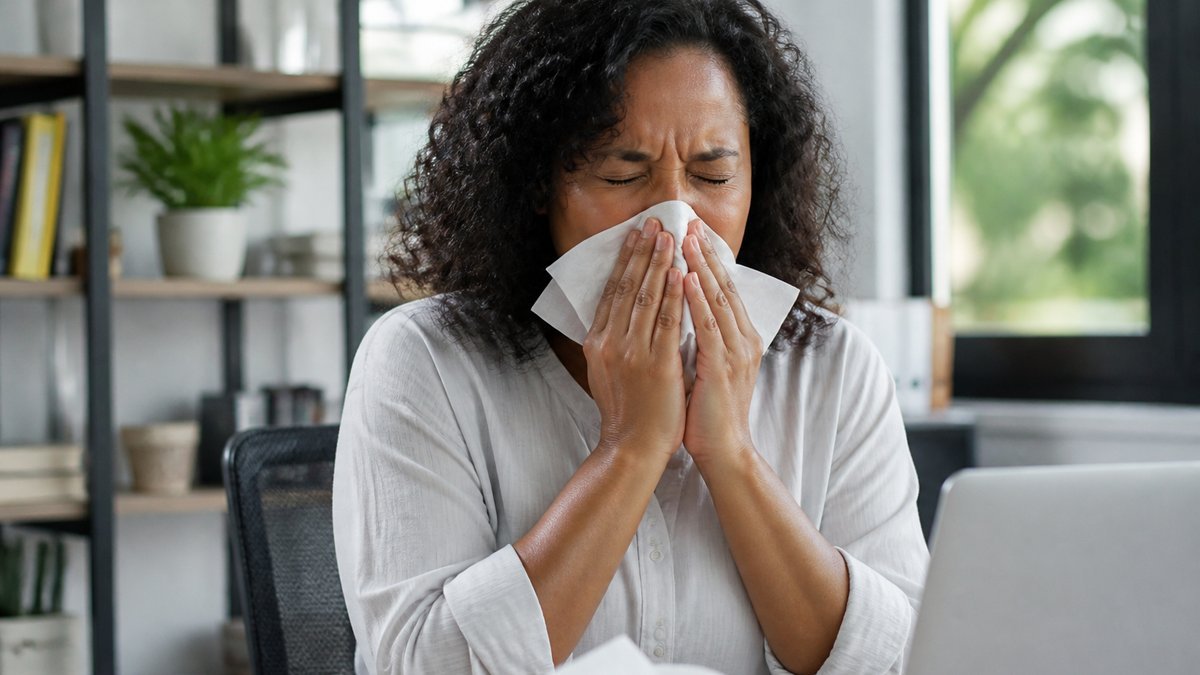
An allergic reaction ranges from mild skin irritation to severe symptoms that require emergency care. Managing symptoms at home begins with recognizing which reactions are suitable for home care and when medical attention is needed. Here is more information on managing allergic reactions at home:
Recognize Symptoms and Emergencies
The first step in managing an allergic reaction is determining how severe it is. Symptoms can range from mild skin irritation to breathing and blood pressure problems, and they can change within minutes. Knowing the difference between mild and severe signs can help you make quick and safe decisions.
Mild Symptoms
Mild allergic reactions usually affect one area of the body. Common signs include hives, redness, itching, sneezing, a runny nose, or watery eyes. Swelling often appears at the sting site, and it generally stays limited to that spot. If symptoms remain mild and do not spread, home care is often a reasonable starting point.
Emergency Warning Signs
Some symptoms signal anaphylaxis, a severe reaction that affects several body systems at once. Warning signs include trouble breathing, wheezing, swelling of the face, lips, tongue, or throat, difficulty swallowing, dizziness, fainting, and repeated vomiting. Call 911 right away if any of these signs appear, and use a prescribed epinephrine auto-injector as directed if one is available.
Limit Further Exposure
Removing the source of the allergic reaction helps prevent continued contact. The right action depends on the trigger, so identify the probable cause first. If a bee stung you, scrape the stinger away rather than squeezing it. Stop eating the suspected food, and rinse your mouth with water.
Skin contact requires a different approach. Wash the affected area gently with mild soap and cool water when plants, chemicals, or pet dander caused the reaction. Remove any clothing that touched the substance, and wash it separately before wearing it again. If pollen or dust appears to be the cause, move indoors and close the windows.
Manage Mild Symptoms Appropriately
Mild symptoms often respond to simple home measures. The following steps focus on reducing irritation from an allergic reaction without introducing new risks:
- Cool compress: Apply a clean and cool cloth for a few minutes to help soothe itching and localized swelling.
- Over-the-counter antihistamines: Some people use these for itching or hives, so read the label for dosing, age limits, and possible drug interactions.
- Loose and breathable clothing: Soft cotton fabric can reduce friction against irritated skin.
- Fragrance-free moisturizer: A gentle lotion may relieve dry or itchy patches without adding new irritants.
- No scratching: Scratching breaks the skin, which increases the risk of infection, so keep nails short.
Monitor Changes and Arrange Follow-Up
Watch for changes closely for several hours after symptoms begin. Some reactions worsen after a period of improvement, and a second wave of symptoms sometimes appears hours later. Stay with a child or loved one who is reacting, and do not leave them alone to rest if new symptoms develop. Note the time symptoms started, what changed, and which steps you took. Seek in-person care if hives spread, swelling increases, or symptoms last longer than a day or two. A walk-in clinic can evaluate unexpected reactions without an appointment, and staff will determine whether testing or a referral to an allergist is a helpful next step.
Address Your Allergic Reaction Today
Managing an allergic reaction requires identifying symptoms, minimizing contact with triggers, and using appropriate measures to address discomfort. Seek emergency care immediately for severe symptoms like breathing difficulty, and go to a walk-in clinic if mild symptoms persist or worsen. Monitor your reactions over time to identify potential patterns or triggers. To address your allergic reaction, contact a qualified healthcare provider near you to schedule your visit or walk in for immediate care.