
Joint replacement surgery, or an arthroplasty, removes damaged parts of a joint and replaces them with artificial components. A total joint replacement replaces all worn surfaces of the joint, while a partial joint replacement replaces only the damaged section. A partial approach is common in knees with arthritis limited to one area. After a replacement surgery, recovery takes time because the body must heal the bone, muscle, and soft tissue disturbed during the procedure. The surrounding muscles also need to rebuild strength and adapt to the new joint mechanics. Here’s more information on the long-term benefits of joint replacement surgery and what to expect during recovery:
How Arthroplasty Manages Joint Pain
Conditions like osteoarthritis, rheumatoid arthritis, and post-traumatic arthritis wear down the cartilage that cushions the ends of bones. When cartilage breaks down, bone may rub against bone during movement. A joint replacement replaces these worn areas with smooth artificial surfaces, addressing joint pain by removing the damaged surfaces that cause it. The implant restores a smoother gliding motion, so many patients report less pain during routine activities afterward. Doctors typically discuss arthroplasty when medication, injections, or physical therapy no longer provide adequate pain relief.
What To Expect During Recovery
Recovery after joint replacement follows a general timeline, but individual progress depends on the joint involved, your overall health, and your commitment to rehabilitation. Many patients begin moving within 24 hours of surgery, and medical providers encourage it. A physical therapist may help you stand, walk short distances with a walker or crutches, and perform gentle range-of-motion exercises. Hospital stays typically range from zero to three days, depending on the surgery type. Your care team will manage pain, monitor the incision, and take steps to reduce the risk of blood clots.
First Weeks
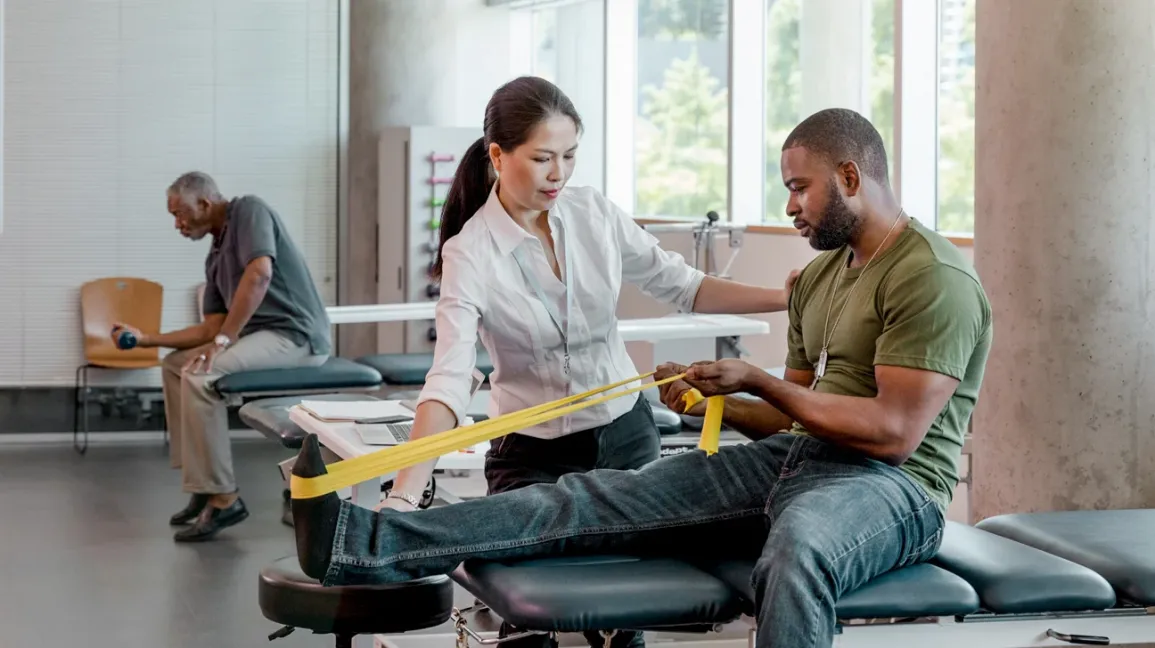
During the first several weeks of recovery, physical therapy becomes a key focus. You will likely attend outpatient sessions two to three times per week while also completing home exercises daily. These exercises target strength, flexibility, and balance around the new joint. Swelling and stiffness are common during this stage, but they decrease gradually with consistent activity. Many people transition from a walker to a cane within this period.
First Months
Between three and six months after surgery, many patients resume most daily activities, especially when they no longer need prescription pain medication. Strength and endurance continue to improve as physical therapy progresses, but full recovery can take up to a year, particularly after a knee replacement. Your surgeon will schedule follow-up appointments to check the implant’s position and your progress.
How Replacements Improve Daily Life
Following your physical therapy and recovery plan plays a significant role in long-term outcomes. Consistent participation in rehabilitation helps build the strength needed to support the new joint. With improved mobility, many people return to activities like walking, swimming, cycling, golfing, and gardening. This surgery helps many individuals move more easily with less pain, improving their quality of life.
Surgeons generally advise against high-impact activities like running or jumping, so many patients must choose low-impact exercise to limit implant wear. Tasks such as climbing stairs, getting out of a car, and standing for long periods become more manageable at this stage of recovery. Many modern hip and knee implants are designed to last 15 to 20 years or longer with proper care. Maintaining a healthy weight, staying active, and attending regular checkups can help protect your implant over time.
Learn More About Joint Replacement Outcomes
Long-term outcomes depend on the procedure type, rehabilitation quality, and ongoing care. A sports medicine specialist can also help you prepare before surgery, including prehabilitation exercises to strengthen the muscles around the affected joint. Talking with a sports medicine specialist can help you understand your options and set clear recovery expectations. For personalized medical advice, schedule a consultation with a sports medicine facility near you.