
Chronic health conditions can cause persistent pain that affects mobility, sleep quality, and daily activities. Pain management involves medical treatments and supportive therapies that reduce discomfort and help individuals manage long-term symptoms. Here is a closer look at the role of pain management in chronic conditions:
Identifying Conditions Causing Chronic Pain
Several spinal and musculoskeletal conditions often cause long-lasting pain that requires pain management. Degenerative disc disease develops when the discs between the vertebrae lose height and water content, reducing cushioning between bones. Spinal stenosis narrows the spaces within the spine, which may place pressure on nearby nerves.
Nerve-related symptoms often accompany these conditions. People may experience tingling, numbness, burning, or weakness that travels into the arms or legs. Identifying the specific condition is a key first step, and it guides the treatment decision that follows.
Exploring Medication and Interventional Treatments
Treatment choices depend on the diagnosis, symptom severity, overall health, and personal goals. Specialists often combine pain management approaches, and they adjust them as needs change.
Medication-Based Approaches
Medications help manage symptoms so people can take part in daily activities and therapy. Common options include anti-inflammatory drugs, muscle relaxants, and medications that target nerve pain. A provider reviews each person’s health history before prescribing, and they monitor side effects over time.
Interventional Procedures
Interventional procedures target a specific source of pain. Epidural steroid injections deliver medication near irritated spinal nerves, while facet joint injections focus on the small joints between vertebrae. Specialists often use imaging during these procedures to place medication accurately.
Improving Function Through Rehabilitative Therapies
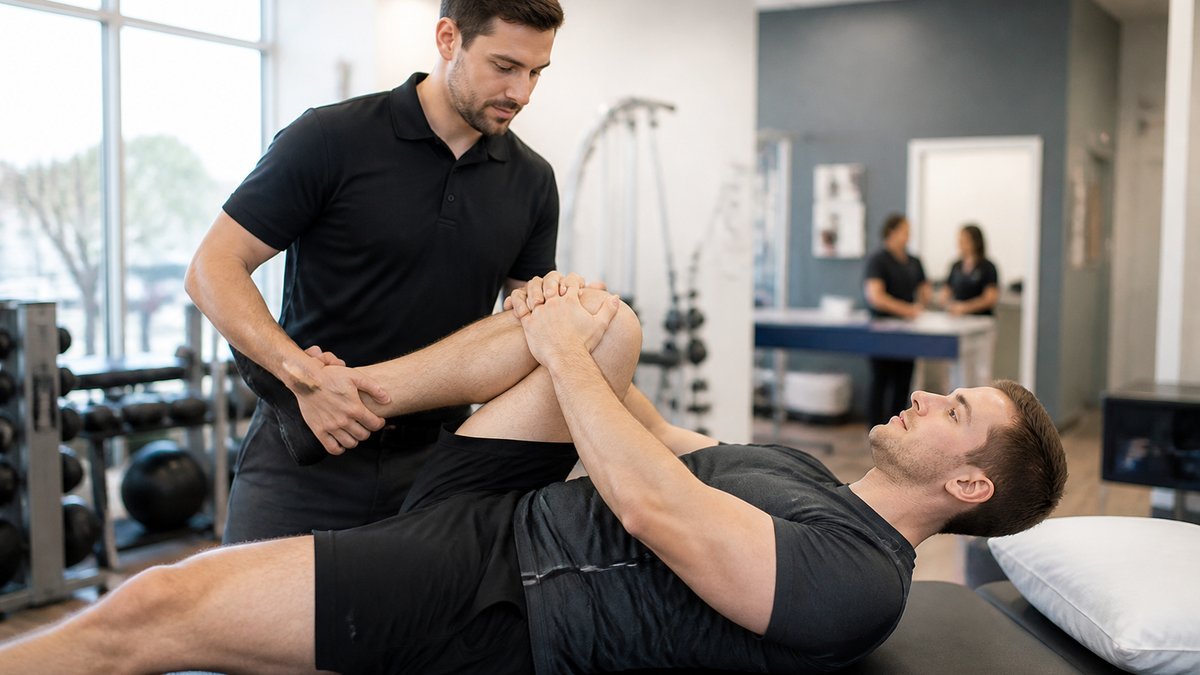
Rehabilitative therapies focus on movement, strength, and function. Medication addresses symptoms, but these therapies target the physical patterns that contribute to pain. A therapist designs exercises based on each person’s condition and tracks progress over several weeks. Common rehabilitative therapies include:
- Physical therapy: Builds strength and flexibility in the muscles that support the spine.
- Occupational therapy: Teaches techniques for completing work and household tasks with less strain.
- Posture and ergonomic training: Shows how to sit, stand, and lift in ways that reduce stress on the spine.
Supporting Relief Through Personalized Care
A personalized pain management plan accounts for each person’s diagnosis, lifestyle, work demands, and goals. An office worker with neck pain may need ergonomic changes and targeted exercises, while a retired adult with spinal stenosis receives injections along with gentle strengthening.
Ongoing evaluation is also fundamental. Specialists schedule follow-up visits to review progress, and they adjust treatments as symptoms change. If one approach does not produce the expected results, the provider explores other options. Clear communication about pain levels, activity, and side effects can help the care team make informed decisions.
Schedule Your Pain Management Appointment
Pain specialists treat chronic pain through diagnosis, targeted treatment, and ongoing care. Conditions often require a mix of medication, interventional procedures, and rehabilitative therapies. A personalized plan connects these treatments to each person’s goals, and regular follow-ups help to keep the plan current. Clear communication about symptoms and progress makes sure that adjustments to treatment are timely and effective. Contact a qualified pain specialist near you to schedule your pain management appointment.