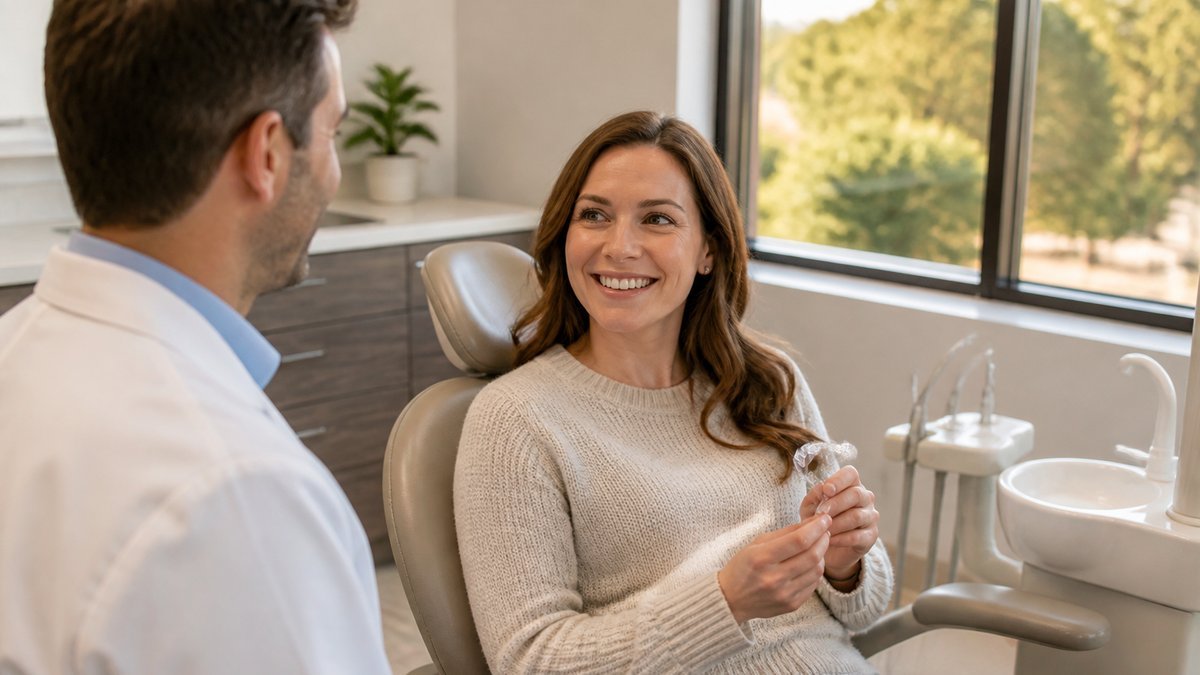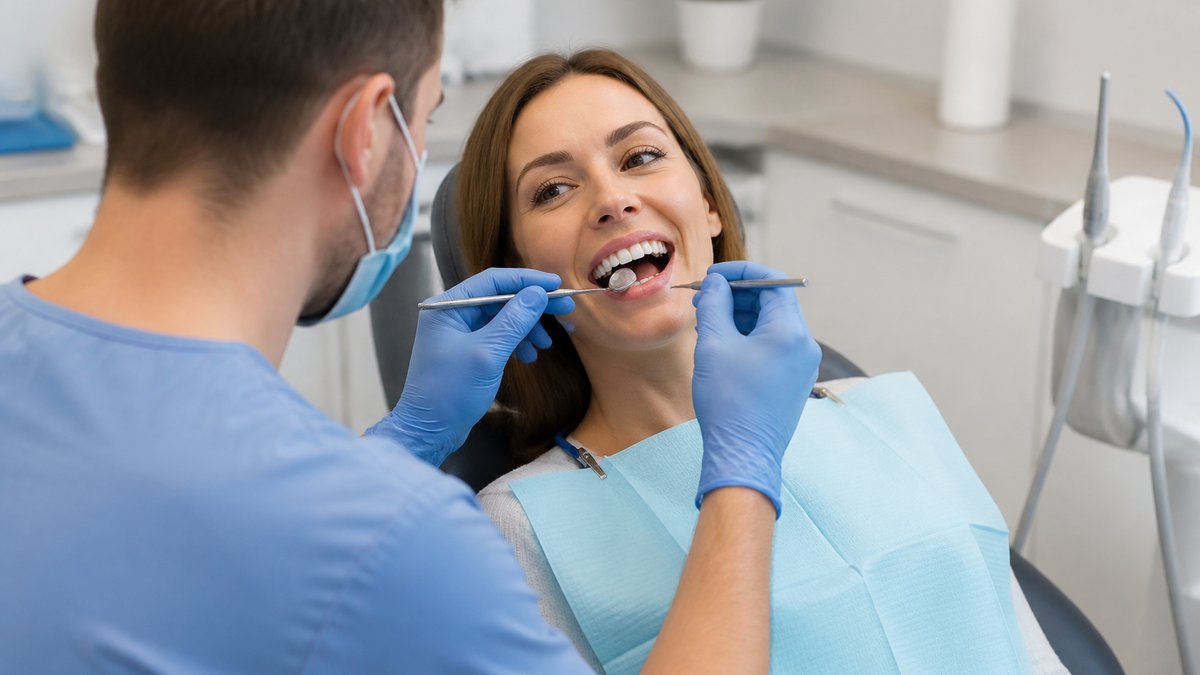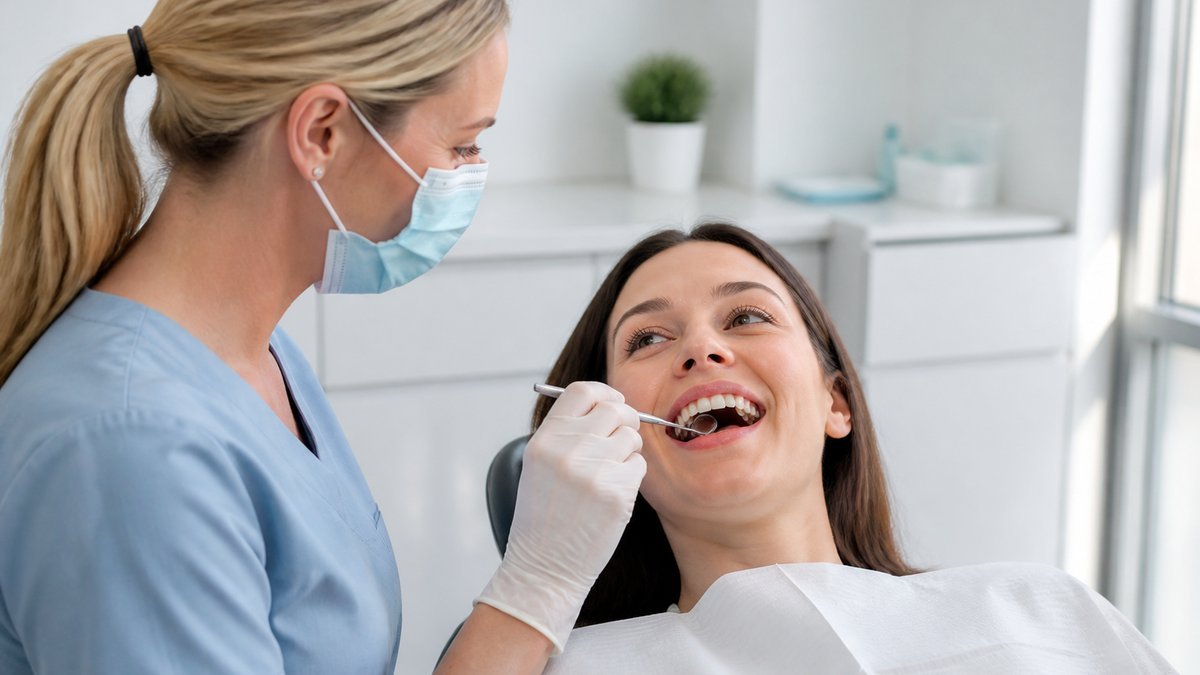
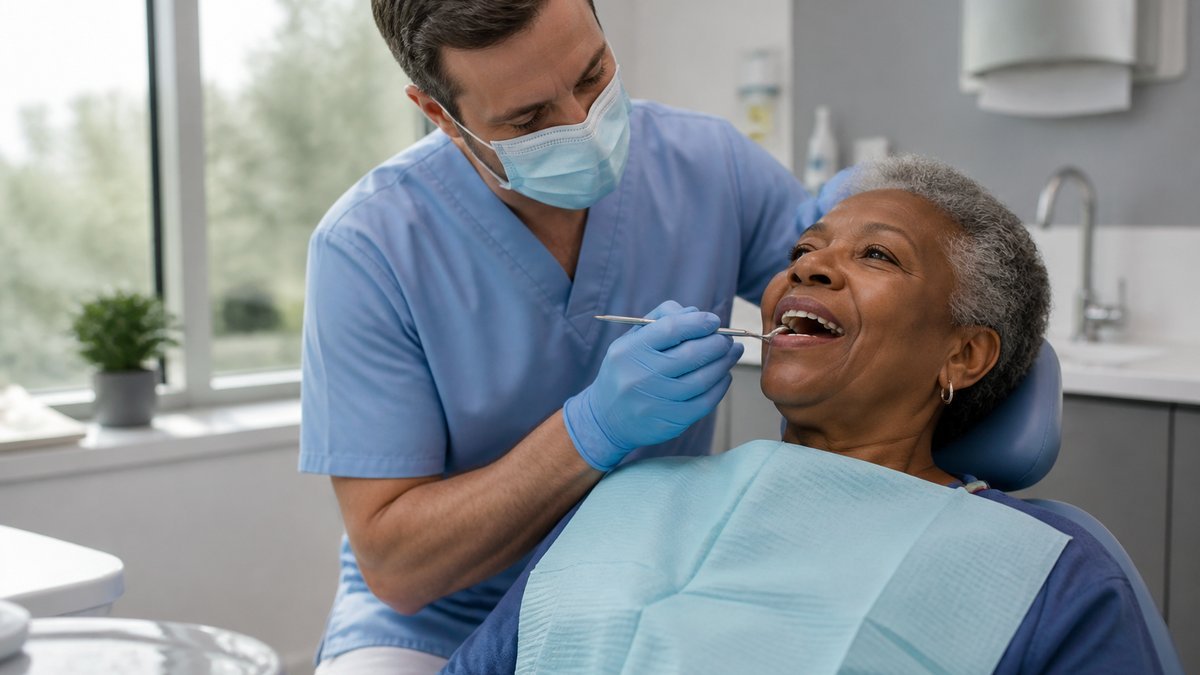
General dentistry covers the prevention, diagnosis, and treatment of oral health problems, and since most problems start small, daily habits and routine visits help you catch them early. A general dentist performs cleanings, fillings, and exams, and they also guide your home care routine. These four practices form the base of a good oral hygiene routine:
Brushing Twice Daily
Plaque is a sticky film of bacteria, and it builds up on your teeth throughout the day. If you brush every morning and night, you remove plaque before it hardens into tartar. A professional at a general dentistry clinic removes tartar. Plaque that stays on your teeth leads to cavities and gum disease.
- Use a soft-bristled toothbrush.
- Choose a fluoride toothpaste.
- Hold the brush at a 45-degree angle to your gumline.
- Replace your toothbrush every three to four months.
While electric toothbrushes are popular, a manual brush works well with proper technique. Brush gently in short, circular strokes. Scrubbing hard wears down enamel, and it also irritates your gums. Rinse your brush and let it air-dry upright.
Flossing Between Teeth
Your toothbrush misses the tight spaces between your teeth. Since food and plaque collect in these gaps, daily flossing reaches areas that brushing leaves behind. Floss once a day, and use about 18 inches of floss each time.
Wrap the ends around your middle fingers, and hold a short section between your thumbs. Slide the floss gently between two teeth. Once it reaches the gumline, curve it into a C shape against one tooth. Move it up and down a few times before switching to the next tooth.
If traditional floss feels awkward, try floss picks, water flossers, or small interdental brushes. Each tool cleans between teeth, but your dentist may recommend one over another. Mild bleeding is normal during the first week of flossing. Tell your dentist if the bleeding lasts longer than that.
Using Mouthwash
Mouthwash adds a third step to your daily routine. Some rinses freshen breath, and others contain fluoride or antibacterial ingredients. Since mouthwash does not remove plaque on its own, it works alongside brushing and flossing. Choose an alcohol-free formula if regular rinses sting or dry out your mouth.
When you pick a rinse, look for quality ingredients. Swish it for 30 seconds, and spit it out without rinsing with water. Children under six generally need a dentist’s approval before using mouthwash. Check the label for any eating or drinking limits afterward.
Attending Regular Exams
Since many problems develop without pain, routine exams help your dentist spot them early. Most patients visit twice a year, but your dentist may suggest a different schedule. When your dentist recommends treatment, ask about the timeline and your insurance coverage. A typical visit includes the following steps:
- A professional cleaning to remove plaque and tartar
- A check for cavities, gum disease, and worn fillings
- An X-ray when needed, often once a year
- An oral cancer screening
Visit a General Dentistry Clinic
If you have not had a checkup in the past six months, schedule one soon. Bring your insurance card and a list of current medications. Many clinics treat patients of all ages, and some offer same-day appointments. Check whether the clinic offers online booking before you call.