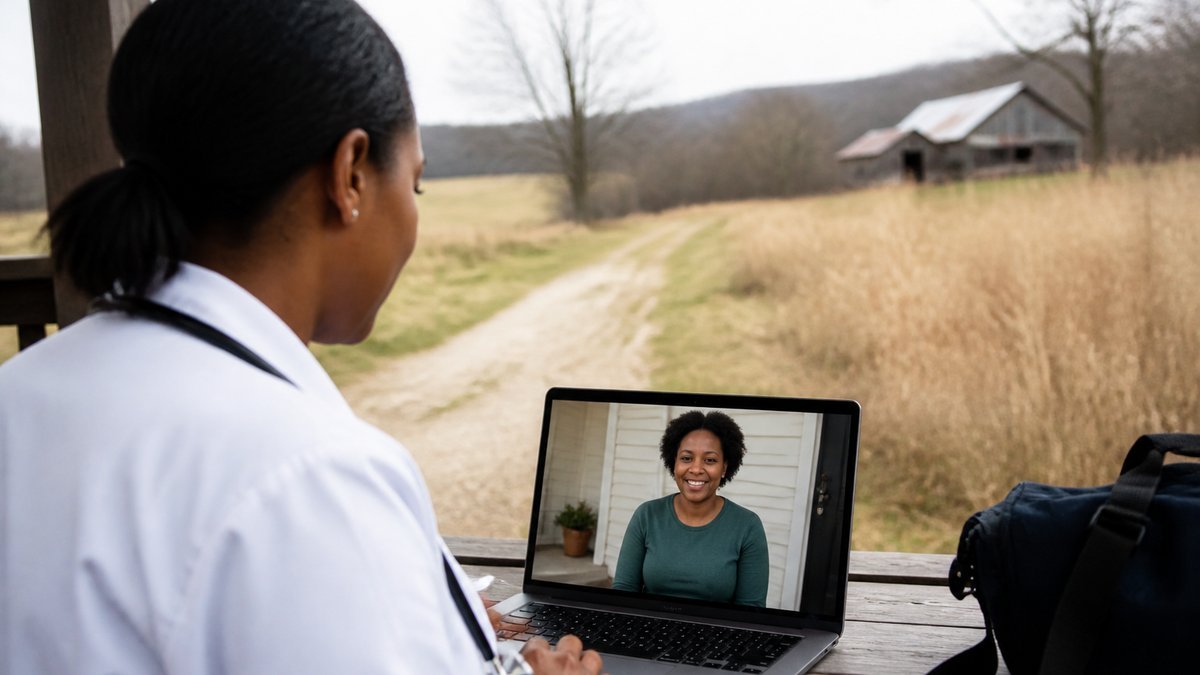
Telehealth gives rural patients a way to reach medical professionals when distance or limited local services act as an obstacle. A person in a remote community is able to speak with a clinician by video, phone, or messaging, and this interaction can happen from home. When travel takes time and resources, virtual visits help patients stay connected to care plans and non-emergency support.
What Is Telehealth?
Telehealth uses digital communication tools to connect patients and medical professionals in real time or through recorded messages, and these options give rural patients different ways to reach a clinic. A patient can share symptoms, a professional asks questions, and both parties discuss next steps. The format may work well when a physical exam is limited or not required, supporting ongoing communication between visits at a local facility.
Who Is It For?
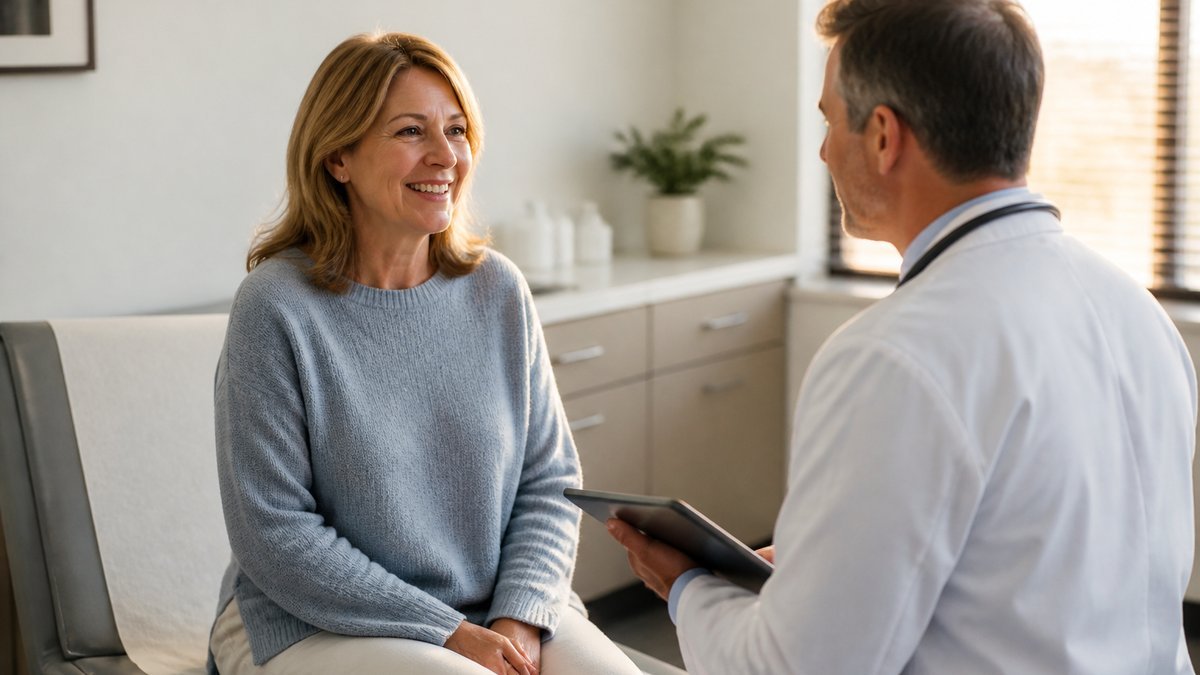
Telehealth can support non-emergency needs that do not require hands-on procedures. A person might use it to discuss new symptoms; another patient is able to request guidance about a long-term condition. When symptoms suggest an urgent or emergency situation, the clinician can direct the patient to in-person or emergency services, and this helps place each concern in the right setting. Patients may use telehealth for follow-up visits after an in-person appointment, and these follow-ups help track response to medications or lifestyle recommendations.
Virtual services do not replace all in-person care. Some conditions still require hands-on exams, imaging, or procedures. When the remote visit identifies a need for direct evaluation, the clinician can refer the patient to the necessary care center. Telehealth may function as a first contact, and the visit guides patients toward the appropriate next step.
What Are the Benefits?
Travel can involve long distances, limited public transportation, and time away from work or family for rural patients. Telehealth reduces the need for trips, and this reduction may help patients reach care sooner for non-emergency issues. When a person connects from home, they can schedule visits at more convenient times.
Access to a range of professionals is another advantage for patients who live far from large medical centers. A local clinic might have limited specialty services, and telehealth links patients to clinicians who practice in different locations. This connection gives rural communities more options for second opinions, follow-up visits, and education about managing ongoing conditions, supporting collaboration between local and remote teams.
Telehealth also supports monitoring between in-person visits, and this ongoing contact may help patients stay aligned with treatment plans. A person can share updates through secure messaging, allowing the care team to respond with guidance or adjustments. When questions arise early, patients may address concerns before they grow more complex. This approach helps support more consistent self-management at home.
Seek Professional Medical Services
Telehealth gives rural patients another path to reach medical professionals. Emergency services remain the priority when symptoms are sudden or life-threatening; telehealth platforms typically direct patients to those resources when necessary. For non-emergency questions, follow-up visits, and ongoing management, virtual visits help maintain continuity between appointments at local facilities.