
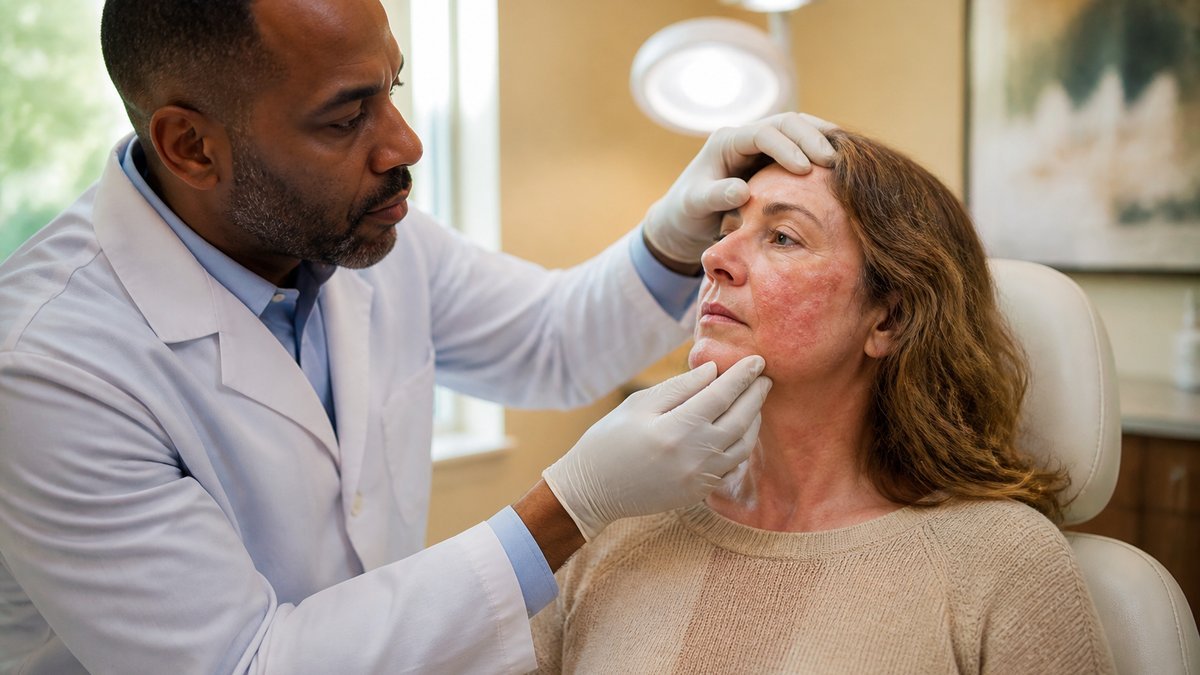
Psoriasis stems from an immune system response that speeds up how quickly skin cells grow and shed. Instead of shedding smoothly, cells build up on the surface, leading to thick patches, redness, and scaling. When plaques crack or bleed, or when joint pain appears alongside skin changes, it is time to visit a dermatologist. Genetics, infections, stress, skin injuries, and certain medications are common psoriasis triggers, but a specialist can help you determine how to manage them. Here are some tips for navigating psoriasis treatment options:
Trying Oral Prescriptions
Living with psoriasis affects more than your skin; it influences how you dress, sleep, and plan your day. Itch or burning sensations interrupt concentration at work, and visible plaques sometimes lead to social withdrawal. When topical creams and light-based therapies don’t control widespread or stubborn plaques, dermatologists may discuss systemic therapies. These oral medications circulate through the bloodstream and target immune activity throughout the body, not just on the surface.
Because systemic psoriasis treatment acts on the whole body, safety monitoring is a key part of care. Regular blood work tracks liver function, kidney function, and blood counts, and some medications prompt discussion about whether a liver biopsy is appropriate. These drugs aren’t appropriate for pregnancy, so people who are pregnant or planning pregnancy need different options. Before starting any oral therapies, dermatologists review your other:
- Prescriptions
- Supplements
- Health Conditions
Trying Cyclosporine
Cyclosporine is an oral immunosuppressive medication used for certain cases of moderate to severe psoriasis. It is reserved for short-term use, such as when symptoms escalate quickly or interfere with daily function. Because it affects immune activity and blood pressure, regular office visits and lab tests are part of the process. Dermatologists will discuss how long this therapy is expected to last, which other psoriasis treatment options could follow, and what signs require prompt follow-up, including:
- New Infections
- Blood Pressure Changes
- Negative Immunological Responses
Trying Biological Injectables
Biological injectables are protein-based medications that target specific parts of the immune system involved in psoriasis. Instead of broadly suppressing immunity, these drugs target specific pathways that drive inflammation in the skin and, in some people, the joints. They’re given as injections under the skin or through an infusion, usually on a set schedule after an initial loading phase. Some are administered in a clinic, while others are self-injected at home after training.
Before starting a biologic psoriasis treatment, dermatologists order screening tests, such as blood work or imaging, to look for infections and other health concerns. Once therapy begins, follow-up visits track skin changes, joint symptoms, and any new health issues. Many people appreciate the predictable dosing schedule, which helps with planning work and family responsibilities. Storing the medication correctly, rotating injection sites, and recording doses in a logbook are simple habits that support consistent use and clear communication with your care team.
Get Timely Psoriasis Treatment Support
Psoriasis tends to follow a cycle of flares and calmer periods, so partnering with a dermatologist early helps you adapt quickly as your condition changes. Bring photos of your flare-ups, a list of triggers you have noticed, and your full medication list to each visit. This gives your clinician a clearer picture of your experience and health needs. Ask how different treatments interact with your lifestyle, other health needs, and long-term goals. With thoughtful planning and ongoing dialogue, psoriasis treatment becomes a structured, manageable part of your routine.