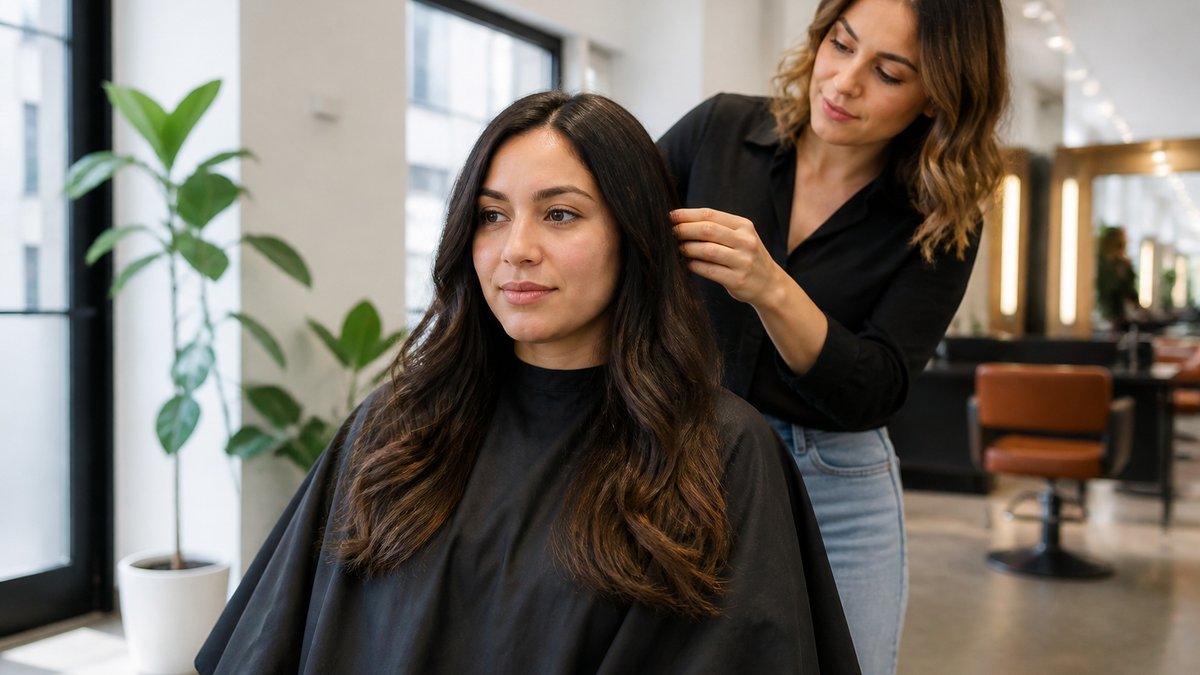
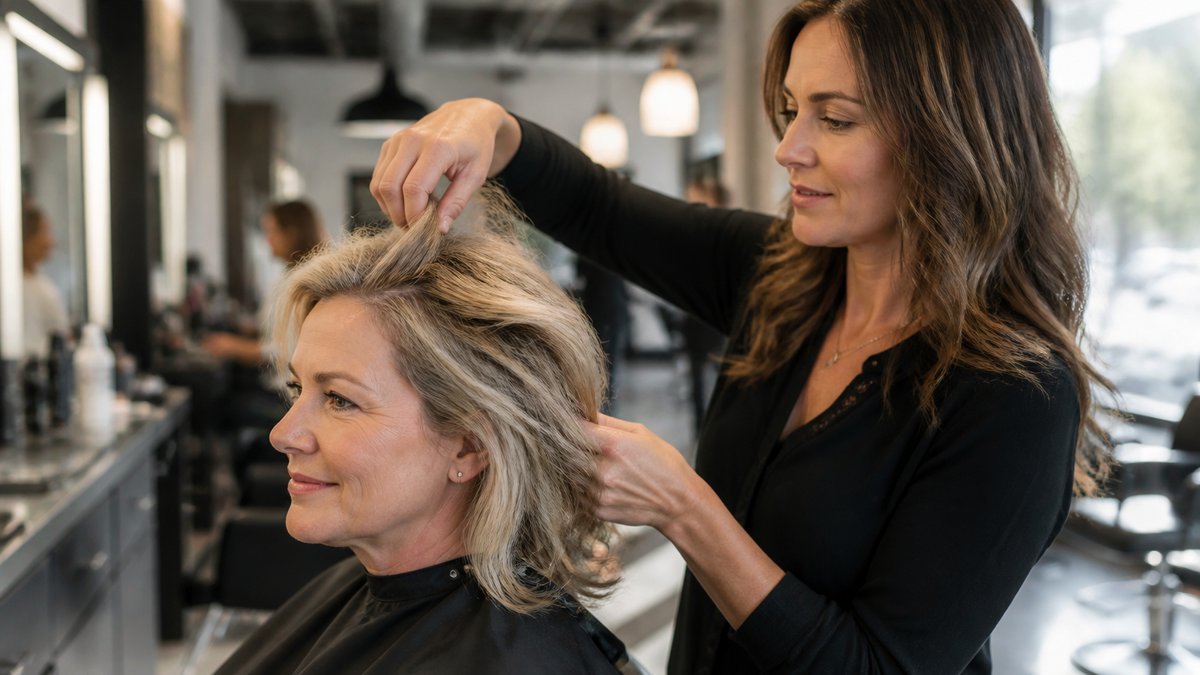
Hair loss has many causes, and each cause calls for a different approach. A dermatologist specializes in the skin, hair, and nails. Because the scalp is skin, dermatologists can examine it closely. Knowing these steps help you prepare for your first visit.
Common Causes of Hair Loss
Hair grows in cycles, and each phase has a specific role. Each follicle grows, rests, and sheds, and a new hair then replaces the old strand. When this cycle is disrupted, shedding can increase, and regrowth may slow. Multiple follicles fall out of sync, making thinning more noticeable. Knowing which phase is affected helps your dermatologist find the likely cause. Several factors can disrupt this cycle. Knowing them will help you feel more prepared for your visit:
- Genetics: Genetics play a role in pattern hair loss, and this type tends to run in families.
- Changes: Hormonal changes can trigger thinning, and thyroid conditions may contribute as well.
- Stress and illness: A high fever, surgery, or a period of high stress can push many follicles into the resting phase at once.
- Nutrition gaps: Low levels of iron, zinc, or certain vitamins may weaken hair growth.
- Scalp inflammation: If inflammation affects the scalp, follicles weaken, and hair may fall out in patches.
- Medications: Some medications list hair loss as a side effect, including certain blood thinners, mood stabilizers, and acne treatments.
Thorough Scalp Evaluation Process
A clear diagnosis guides treatment decisions. Your dermatologist will review your medical history, and they will ask about recent changes. These may include new medications, illness, diet, or stress. Bring a list of your medications, and note when you first noticed thinning, since timing helps narrow the cause. Family history is also relevant, and sharing it gives your provider useful context. If hair loss runs in your family, that pattern may point to a hereditary cause. Your dermatologist can factor this into their assessment. Recent life changes matter too. A major illness, a period of high stress, or a significant dietary shift can all affect the hair cycle.
Knowing when these events occurred helps your provider connect them to your shedding timeline. The more detail you provide, the clearer the picture becomes, and this supports a more accurate diagnosis. A physical exam comes next. The dermatologist examines your scalp, and they look at the pattern and density of your hair. They will also note where thinning is most concentrated, and this helps distinguish between different types of hair loss.
Effective PRP Therapy Options
Because the material comes from your body, the option is discussed natural, and it contains no synthetic drugs. PRP is most often used in cases of pattern hair loss, and it may also be discussed when follicles are weakened but still present. Your dermatologist will assess if your follicles may respond to growth factor stimulation. This evaluation shapes whether PRP is appropriate for your case. Candidates with active inflammation or certain scalp conditions may not be suitable, and your provider will review these factors before recommending treatment.
Schedule Your Dermatologist Consultation
Hair loss has many possible causes. A dermatologist can identify the source, and a clear diagnosis guides your treatment options. When PRP is appropriate, your provider will explain each step. Ask questions before you begin. Contact your office to schedule an evaluation with a dermatologist. Bring your medical history and medication list to your appointment. Early action gives you time to review each option with your provider.