
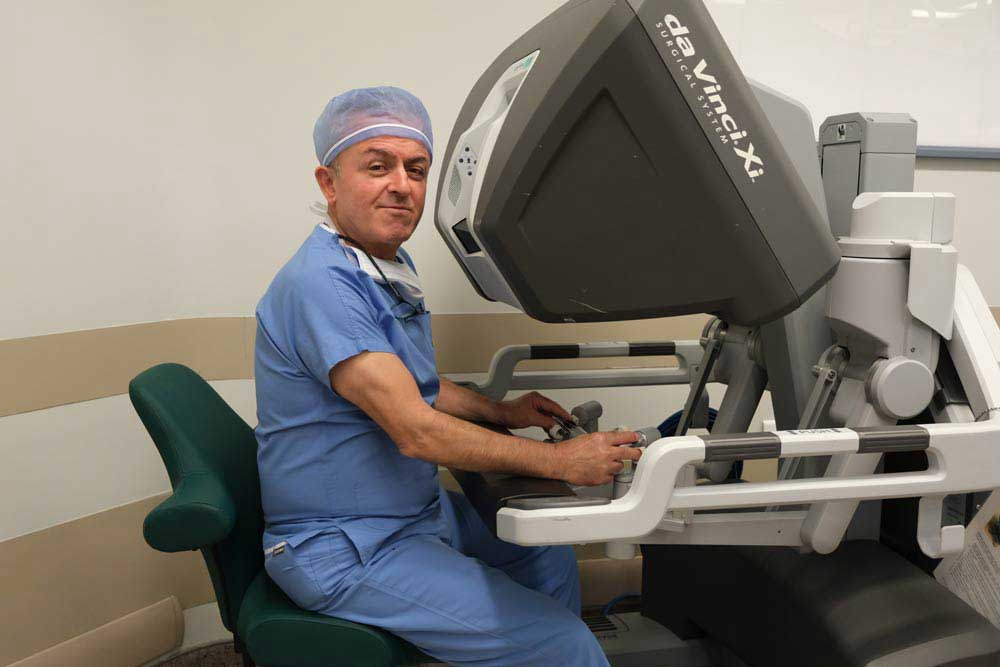
Prostate enlargement is a common health problem that affects many men, especially after the age of 50. While it is not usually cancerous, it can seriously affect daily life. Frequent urination, weak urine flow, difficulty sleeping, and discomfort are just some of the symptoms men experience. Thankfully, modern medical technology has improved greatly, and today an advanced prostate enlargement treatment clinic can provide safe, effective, and comfortable treatment options.
In this article, we will explain what prostate enlargement is, its symptoms, causes, modern treatment methods, and why choosing an advanced clinic is important for better health and recovery.
What Is Prostate Enlargement?
The prostate is a small gland found in men below the bladder. Its main job is to help produce fluid that carries sperm. As men grow older, the prostate may slowly become larger. This condition is called Benign Prostatic Hyperplasia (BPH), also known as prostate enlargement.
“Benign” means it is not cancer. However, when the prostate becomes too large, it can press against the urethra, the tube that carries urine out of the body. This pressure causes urinary problems and discomfort.
Prostate enlargement is very common in aging men. Many men over 60 experience some symptoms, while others may need medical treatment if the condition becomes severe.
Common Symptoms of Prostate Enlargement
The symptoms of prostate enlargement can start slowly and become worse over time. Some men ignore the signs in the beginning, thinking they are a normal part of aging. However, proper treatment can improve quality of life significantly.
Common symptoms include:
- Frequent urination, especially at night
- Difficulty starting urination
- Weak urine stream
- Feeling that the bladder is not empty
- Sudden urge to urinate
- Dribbling after urination
- Interrupted urine flow
- Pain or discomfort while urinating
In serious cases, untreated prostate enlargement can lead to bladder infections, kidney problems, or complete blockage of urine flow.
Causes of Prostate Enlargement
Doctors do not know the exact reason why the prostate enlarges, but aging and hormonal changes are believed to be the main causes.
Several factors may increase the risk:
Aging
The risk increases naturally with age. Men over 50 are more likely to develop prostate enlargement.
Hormonal Changes
Changes in male hormones, especially testosterone, may affect prostate growth.
Family History
If close family members have prostate problems, the chances may be higher.
Lifestyle Factors
Lack of exercise, obesity, smoking, and unhealthy eating habits can also contribute to prostate issues.
Why Choose an Advanced Prostate Enlargement Treatment Clinic?
An advanced prostate enlargement treatment clinic offers specialized care using modern technology and expert doctors. These clinics focus on diagnosing and treating prostate conditions with more accurate and less painful methods.
Here are some benefits of choosing an advanced clinic:
Expert Specialists
Advanced clinics usually have experienced urologists who specialize in prostate diseases and urinary problems.
Modern Diagnostic Equipment
The clinic may use ultrasound scans, urine flow tests, blood tests, and digital imaging to identify the condition accurately.
Personalized Treatment Plans
Every patient is different. Advanced clinics provide treatment plans based on age, symptoms, medical history, and prostate size.
Minimally Invasive Procedures
Modern clinics offer treatments that reduce pain, bleeding, and recovery time.
Better Recovery and Follow-Up Care
Patients receive proper guidance, medication management, and follow-up support after treatment.
Modern Treatments Available at Advanced Clinics
Today, there are many treatment options available depending on the severity of the condition. Some patients may only need medication, while others may benefit from advanced procedures.
1. Lifestyle Changes
For mild symptoms, doctors may suggest simple lifestyle improvements such as:
- Drinking less caffeine and alcohol
- Avoiding fluids before bedtime
- Exercising regularly
- Maintaining a healthy weight
- Avoiding smoking
These changes may reduce symptoms and improve bladder control.
2. Medication Therapy
Doctors may prescribe medicines to relax prostate muscles or shrink the enlarged gland.
Common medications include:
- Alpha blockers
- 5-alpha reductase inhibitors
- Combination medicines
Medication works well for many men, but some may experience side effects such as dizziness or low energy.
3. Laser Treatment
Laser therapy is one of the most popular modern treatments for prostate enlargement.
In this procedure, a laser removes or shrinks excess prostate tissue that blocks urine flow. The treatment is usually safe and causes less bleeding compared to traditional surgery.
Benefits include:
- Faster recovery
- Less pain
- Short hospital stay
- Improved urine flow
4. TURP Procedure
TURP stands for Transurethral Resection of the Prostate. It is considered a standard surgical treatment for moderate to severe cases.
During TURP, the doctor removes part of the enlarged prostate using a special instrument inserted through the urethra.
This procedure can greatly improve symptoms and urine flow.
5. UroLift System
The UroLift system is a newer treatment option that lifts and holds the enlarged prostate tissue away from the urethra.
This minimally invasive procedure does not require cutting or removal of tissue.
Advantages include:
- Quick recovery
- Minimal discomfort
- Lower risk of sexual side effects
6. Rezum Water Vapor Therapy
This advanced therapy uses steam to reduce excess prostate tissue. It is a simple outpatient procedure and usually takes only a short time.
Many men choose Rezum because it is effective and less invasive than surgery.
Importance of Early Diagnosis
Many men delay visiting a doctor because they feel embarrassed or believe symptoms are normal with age. However, early diagnosis is very important.
Ignoring prostate enlargement can lead to:
- Bladder damage
- Kidney problems
- Urinary infections
- Complete inability to urinate
Visiting an advanced prostate enlargement treatment clinic early allows doctors to manage the condition before complications develop.
What to Expect During Your Clinic Visit
The first visit to a prostate clinic is usually simple and comfortable.
The doctor may:
- Ask about symptoms and medical history
- Perform a physical examination
- Recommend urine or blood tests
- Use ultrasound imaging
- Measure urine flow
After diagnosis, the doctor will discuss the best treatment options based on your condition.
Patients are encouraged to ask questions and discuss concerns openly.
Recovery After Treatment
Recovery depends on the treatment method used. Minimally invasive procedures often allow patients to return home the same day.
Some recovery tips include:
- Drinking enough water
- Avoiding heavy lifting
- Taking prescribed medicines properly
- Attending follow-up appointments
- Following doctor instructions carefully
Most men notice major improvement in urination and daily comfort after treatment.
Living a Healthy Life After Treatment
After successful treatment, maintaining a healthy lifestyle can help support long-term prostate health.
Helpful habits include:
- Eating fruits and vegetables
- Staying physically active
- Managing weight
- Reducing stress
- Getting regular medical checkups
Good health habits can improve both prostate function and overall well-being.
Conclusion
Prostate enlargement is a common condition, but modern medicine has made treatment safer and more effective than ever before. An advanced prostate enlargement treatment clinic provides expert care, accurate diagnosis, and modern treatment options designed to improve comfort and quality of life.
Men should never ignore urinary symptoms or feel embarrassed about seeking help. Early treatment can prevent complications and restore confidence in daily life.
With the support of experienced doctors and advanced technology, patients can enjoy better health, easier urination, and a more comfortable future.
Frequently Asked Questions (FAQs)
1. Is prostate enlargement the same as prostate cancer?
No. Prostate enlargement, also called BPH, is usually non-cancerous. However, regular checkups are important because symptoms can sometimes be similar.
2. What is the best treatment for enlarged prostate?
The best treatment depends on the severity of symptoms, age, and overall health. Options include medication, laser therapy, TURP, and minimally invasive treatments.
3. Can prostate enlargement go away naturally?
In most cases, the condition does not disappear completely on its own. However, lifestyle changes and treatment can effectively control symptoms.
4. Is laser treatment safe for prostate enlargement?
Yes. Laser treatment is considered safe and effective. It usually causes less bleeding and offers faster recovery compared to traditional surgery.
5. When should I visit a prostate treatment clinic?
You should visit a clinic if you experience frequent urination, weak urine flow, difficulty urinating, or bladder discomfort. Early diagnosis helps prevent serious complications.