An orthopedic surgeon diagnoses and treats conditions of the bones, joints, and muscles. Many surgeons work with athletes of every age, from children in youth leagues to adults who play recreational sports well into their seventies. The body changes over time, so the type of injury a person is likely to sustain often depends on age. Here is some information about the risks of sports injuries in different age groups:
Growth-Plate Injuries
Children and teenagers have areas of developing cartilage near the ends of their long bones called growth plates. These plates are softer than mature bone, so they are more vulnerable to fractures and stress injuries. They often occur in the wrist, knee, ankle, and elbow.
Sports with repetitive motion carry a higher risk. Young baseball pitchers may develop “Little League elbow,” while gymnasts often stress the growth plates in their wrists. Runners and soccer players sometimes develop heel pain from irritating the growth plate in the heel bone.
Watch for warning signs in young athletes. Persistent pain, swelling, reduced range of motion, or reluctance to put weight on a limb typically indicate a growth-plate problem. Growth plates typically close by the mid-to-late teen years, and an untreated injury before that may affect how a bone grows. Limiting pitch counts, scheduling rest days, and avoiding year-round play in a single sport are ways to reduce strain.
Joint Sprains and Concussions
When teenagers and young adults play contact or cutting sports, sprains and concussions become more common. A sprain is a stretch or tear in a ligament, the tissue that connects bones at a joint. Ankle sprains happen in many sports, but knee sprains, including ACL tears, occur often in basketball, soccer, and football.
A concussion happens when the brain moves inside the skull after a blow to the head or body. Symptoms include headache, dizziness, confusion, light sensitivity, and trouble concentrating. Remove any athlete with a suspected concussion from play that same day, and have an orthopedic surgeon evaluate them before they return. Proper equipment, correct technique, and neuromuscular training programs lower the risk of both injuries.
Acute Muscle Strains
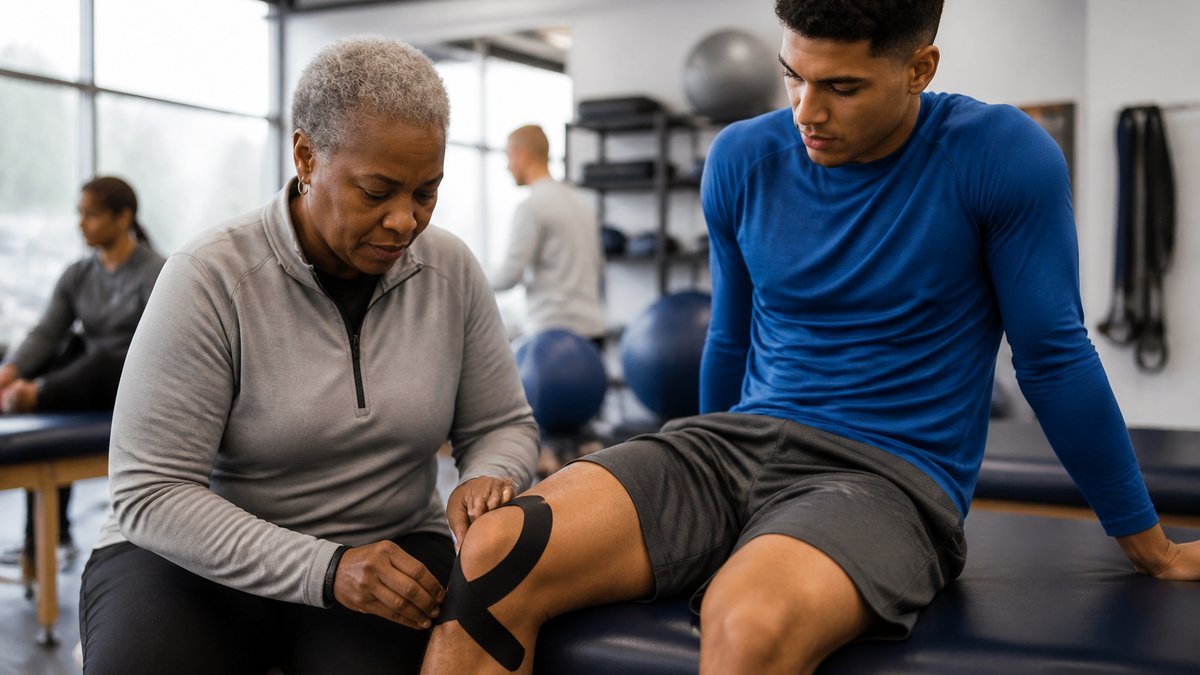
Adults between their late twenties and forties often experience acute muscle strains. Muscles lose some flexibility with age, and many adults in this group return to sports after long breaks or train irregularly around work and family schedules. The hamstrings, calves, quadriceps, and groin are commonly strained areas. Sprinting and sudden changes of direction place the greatest load on these muscles. A strain usually causes sudden pain, sometimes with a popping sensation, followed by swelling or bruising. Warming up before activity and gradually increasing training intensity help reduce injury risk.
Degenerative Conditions
Older athletes face different risks. Many older adults continue to play sports with a few modifications. Low-impact activities like swimming and cycling place less stress on the joints, while strength training supports the muscles around affected areas. Some common conditions include:
- Over decades, joint cartilage thins and tendons lose elasticity.
- Osteoarthritis commonly affects the knees, hips, and hands of adults over 50.
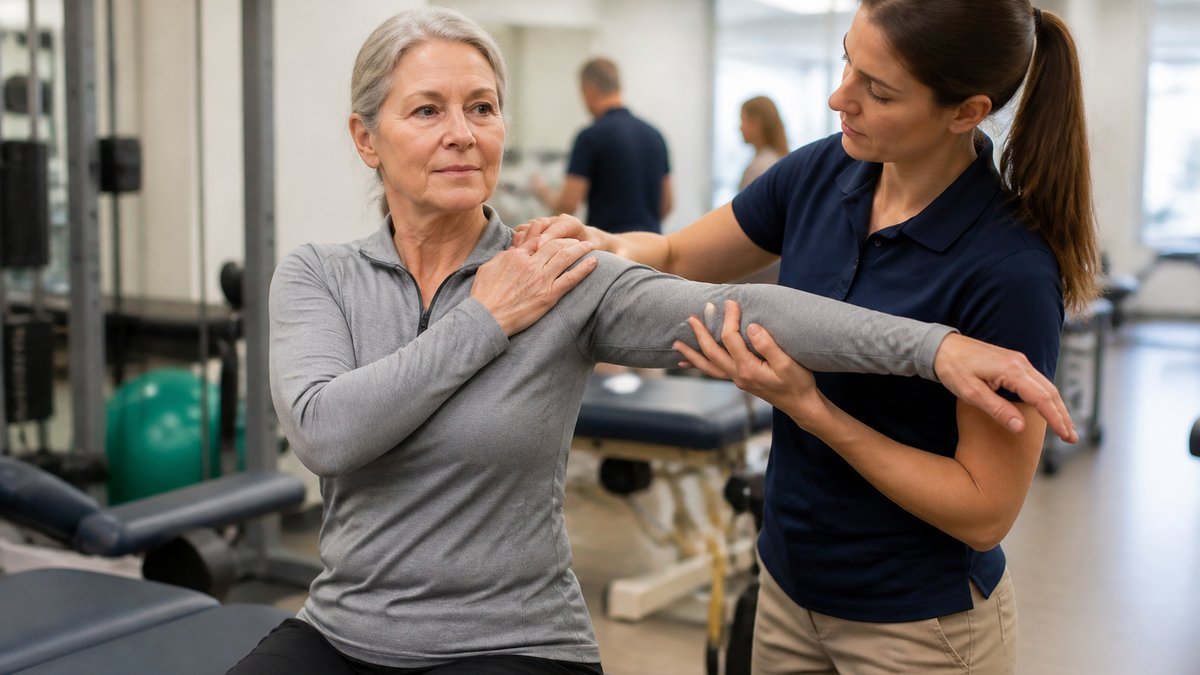
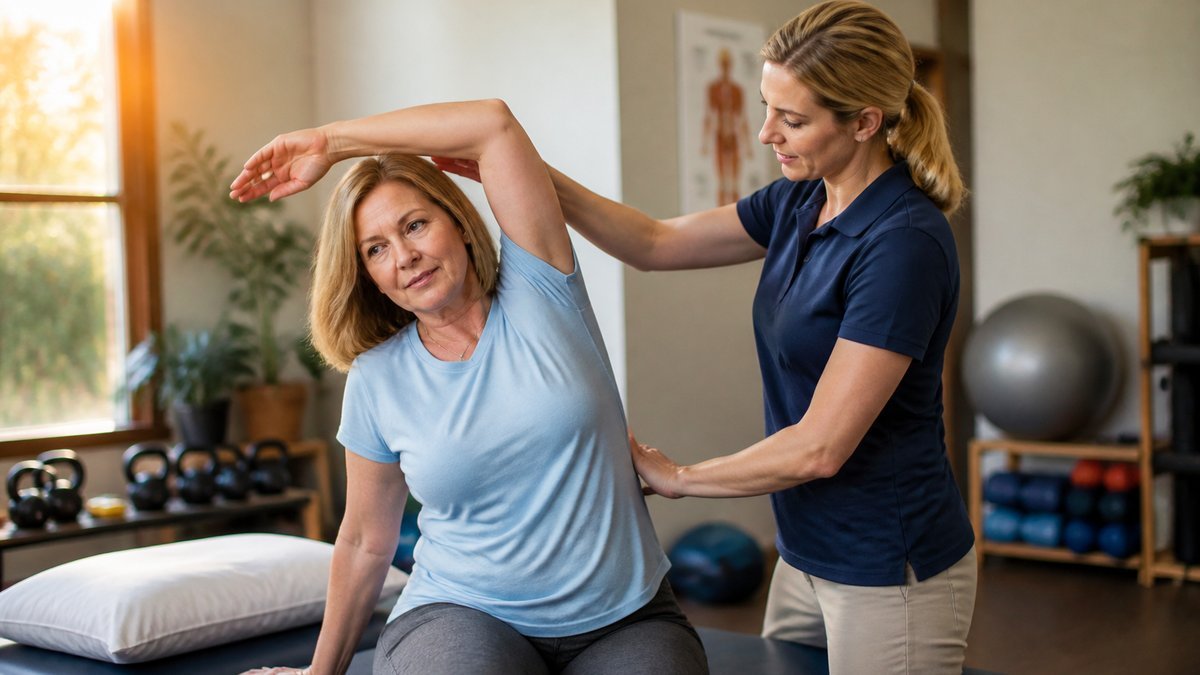
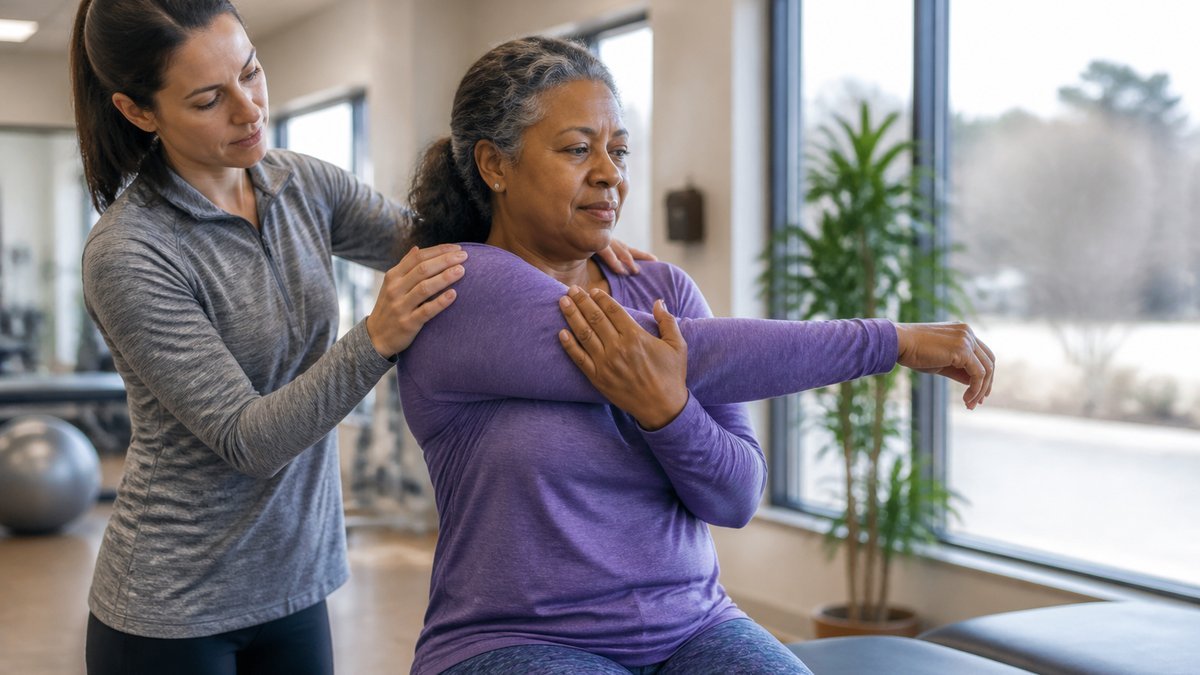
- Rotator cuff tears in the shoulder also become more frequent with age, and some develop slowly without a single injury.
- Achilles tendon problems are common among middle-aged and older runners and tennis players.
Visit an Orthopedic Surgeon
An orthopedic surgeon evaluates sports injuries through a physical exam and, when needed, imaging such as X-rays or an MRI. The assessment accounts for factors like age, activity level, and injury history. Treatment options range from rest and physical therapy to surgery, depending on the condition. If you or your child has pain, swelling, or limited movement after a sports injury, schedule an appointment with an orthopedic surgeon today.