
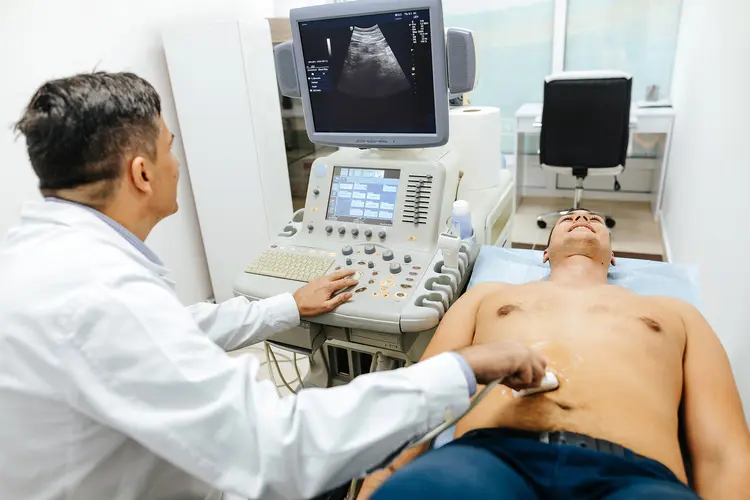
Stomach pain is one of the most common health problems people face in daily life. Sometimes it is mild and goes away on its own, but in other cases, it can be a sign of a serious digestive condition. When stomach pain keeps coming back or becomes severe, the best step is to visit a gastroenterologist. A gastroenterologist is a doctor who specializes in the digestive system, including the stomach, intestines, liver, pancreas, and esophagus.
Finding the best gastroenterologist for stomach pain diagnosis is important because the right doctor can quickly identify the root cause and suggest proper treatment. In this article, we will explain what a gastroenterologist does, why stomach pain should not be ignored, how diagnosis works, and how to choose the best specialist for your needs.
What Does a Gastroenterologist Do?
A gastroenterologist is a medical expert trained to treat problems related to the digestive system. This includes:
- Stomach pain and ulcers
- Acid reflux and heartburn
- Irritable bowel syndrome (IBS)
- Constipation or diarrhea
- Liver diseases
- Gallbladder problems
- Pancreas issues
- Bloating and gas
They use medical tests, physical examinations, and patient history to find the exact cause of symptoms. Unlike general doctors, gastroenterologists have deeper knowledge of complex digestive conditions and advanced diagnostic tools.
Why Stomach Pain Should Not Be Ignored
Many people ignore stomach pain thinking it is caused by something simple like spicy food or stress. While this is sometimes true, ongoing or severe pain may indicate something more serious.
Common causes of stomach pain include:
- Gastritis (inflammation of stomach lining)
- Stomach ulcers
- Food poisoning
- Acid reflux disease (GERD)
- Gallstones
- Intestinal infections
- Irritable bowel syndrome
- Crohn’s disease or ulcerative colitis
If stomach pain is left untreated, it can get worse over time. That is why consulting a gastroenterologist early is always a smart decision.
When Should You See a Gastroenterologist?
You should not wait too long if you experience any of the following symptoms:
- Persistent stomach pain lasting more than a few days
- Severe pain that keeps coming back
- Blood in stool or black stool
- Unexplained weight loss
- Loss of appetite
- Frequent vomiting
- Difficulty swallowing
- Constant bloating or gas
These symptoms may point to underlying digestive issues that need proper diagnosis.
How the Best Gastroenterologist Diagnoses Stomach Pain
A skilled gastroenterologist does not guess the problem. Instead, they follow a step-by-step diagnosis process.
1. Medical History Review
The doctor first asks about your symptoms, diet, lifestyle, stress levels, and medical history. This helps narrow down possible causes.
2. Physical Examination
They gently examine your abdomen to check for swelling, tenderness, or unusual signs.
3. Laboratory Tests
Blood tests, stool tests, and urine tests help detect infections, inflammation, or internal bleeding.
4. Imaging Tests
Doctors may recommend:
- Ultrasound
- CT scan
- MRI
These tests show detailed images of internal organs.
5. Endoscopy
In some cases, a thin flexible tube with a camera is used to look inside the stomach. This helps detect ulcers, inflammation, or abnormal growths.
6. Final Diagnosis
After reviewing all test results, the gastroenterologist identifies the exact cause of stomach pain and creates a treatment plan.
How to Choose the Best Gastroenterologist for Stomach Pain Diagnosis
Finding the right specialist can make a big difference in your recovery. Here are some important factors to consider:
1. Experience and Qualification
Choose a doctor who has strong experience in treating digestive problems. More experience often means better diagnosis accuracy.
2. Hospital or Clinic Reputation
A well-equipped hospital or clinic ensures better testing and treatment facilities.
3. Patient Reviews
Reading patient feedback can help you understand how the doctor treats patients and handles complex cases.
4. Communication Skills
A good gastroenterologist listens carefully and explains everything in simple language.
5. Availability of Diagnostic Tools
Modern diagnostic tools like endoscopy and advanced imaging help in faster and more accurate diagnosis.
6. Personalized Care
The best doctors do not treat all patients the same way. They create personalized treatment plans based on individual conditions.
Treatment Options After Diagnosis
Once the cause of stomach pain is found, treatment may include:
- Medications to reduce acid or infection
- Antibiotics for bacterial infections
- Lifestyle changes
- Special diet plans
- Stress management techniques
- Surgery (in rare and severe cases)
The goal is not just to reduce pain but to treat the root cause.
Lifestyle Tips for Better Digestive Health
Even after treatment, maintaining a healthy digestive system is important. Here are some simple tips:
- Eat smaller meals instead of large heavy meals
- Avoid too much spicy or oily food
- Drink plenty of water
- Exercise regularly
- Reduce stress through relaxation techniques
- Avoid smoking and alcohol
- Eat more fiber-rich foods like fruits and vegetables
These habits help prevent future stomach problems.
Importance of Early Diagnosis
Early diagnosis is one of the most important factors in treating stomach pain effectively. Many serious conditions become easier to treat when caught early. A skilled gastroenterologist can identify problems before they become dangerous, saving time, money, and health complications.
Conclusion
Choosing the best gastroenterologist for stomach pain diagnosis is one of the most important steps in protecting your digestive health. Stomach pain may seem simple at first, but it can sometimes be a sign of a deeper issue. A qualified gastroenterologist uses advanced tests and experience to find the real cause and provide proper treatment.
If you are experiencing frequent or severe stomach pain, do not ignore it. Early consultation with a specialist can lead to faster recovery and better long-term health.
FAQs
1. What does a gastroenterologist treat?
A gastroenterologist treats problems related to the digestive system, including stomach pain, ulcers, acid reflux, IBS, and liver diseases.
2. When should I see a gastroenterologist for stomach pain?
You should see a specialist if your stomach pain is severe, long-lasting, or comes with symptoms like vomiting, weight loss, or blood in stool.
3. Is endoscopy painful?
Endoscopy is usually not painful because doctors use mild sedation. You may feel slight discomfort, but it is generally safe and quick.
4. Can stomach pain go away without treatment?
Mild stomach pain may go away on its own, but persistent or severe pain should always be checked by a doctor.
5. How can I prevent stomach pain?
You can prevent stomach pain by eating healthy food, avoiding junk food, staying hydrated, exercising, and managing stress.
