
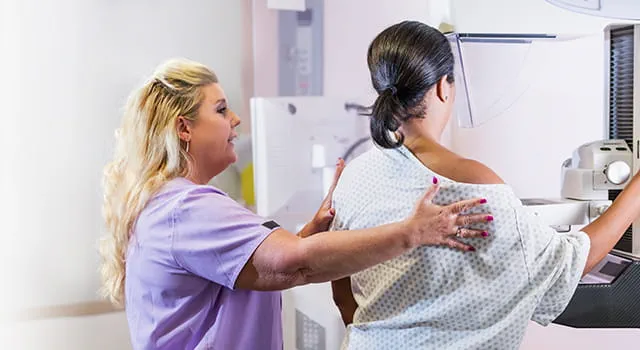
Breast health is one of the most important parts of overall well-being, especially for women. Many health experts around the world emphasize that early detection of breast problems can save lives. One of the most effective ways to monitor breast health is through regular screening at a breast health screening and mammogram center.
These centers are specially designed medical facilities where women can get checked for early signs of breast disease, including breast cancer. In this article, we will explain what breast health screening means, what happens at a mammogram center, why it is important, and how it can help protect your life in a simple and easy-to-understand way.
What is Breast Health Screening?
Breast health screening is a medical process used to check the breasts for any early signs of disease before symptoms appear. Many breast conditions do not show pain or visible changes in the beginning stages, so screening helps detect problems early.
Screening usually includes:
- Physical breast examination by a doctor or nurse
- Mammogram (X-ray of the breast)
- Sometimes ultrasound or MRI if needed
The main goal is simple: find problems early when they are easier to treat.
What is a Mammogram?
A mammogram is a special type of X-ray that takes detailed images of the breast. It helps doctors see inside the breast tissue and detect small changes that cannot be felt by hand.
At a breast health screening and mammogram center, this is one of the most important tests performed.
There are two main types of mammograms:
1. Screening Mammogram
This is done for women who do not have any symptoms. It is a routine check-up to detect early signs of breast cancer.
2. Diagnostic Mammogram
This is done when a woman has symptoms like a lump, pain, or unusual discharge. It provides a more detailed view of the breast.
Why Breast Health Screening is Important
Many people think they only need to visit a doctor when they feel sick. But breast cancer often develops silently in the early stages. This is why screening is so important.
Here are some key reasons:
1. Early Detection Saves Lives
When breast cancer is found early, treatment is more successful and less complicated.
2. Better Treatment Options
Early-stage detection means more treatment choices, such as simple surgery or limited therapy.
3. Reduces Risk of Advanced Cancer
Regular screening can prevent cancer from growing and spreading to other parts of the body.
4. Peace of Mind
A normal screening result can reduce worry and give mental relief.
What Happens at a Breast Health Screening and Mammogram Center?
Many women feel nervous before visiting a mammogram center, especially if it is their first time. But the process is simple and quick.
Here is what usually happens:
Step 1: Registration
You provide your basic information and medical history. This helps doctors understand your risk level.
Step 2: Consultation
A healthcare professional may ask questions about your health, family history, and any breast symptoms.
Step 3: Mammogram Test
You will be taken to a private room where the mammogram machine is used.
- The breast is gently placed between two plates
- A few X-ray images are taken
- It may feel slightly uncomfortable but only lasts a few seconds
Step 4: Additional Tests (if needed)
If anything unusual is found, doctors may recommend ultrasound or further imaging.
Step 5: Results
Results are usually shared after a few days. Doctors will explain everything clearly and guide you on next steps if needed.
Who Should Go for Breast Screening?
Doctors recommend that different women start screening at different ages depending on risk factors.
Generally:
- Women aged 40 and above should have regular mammograms
- Women with family history of breast cancer may need earlier screening
- Women with symptoms like lumps or pain should not wait for routine screening
Even younger women can benefit from learning breast self-examination techniques.
What to Expect During a Mammogram
Some women worry that a mammogram is painful. In reality, it may feel slightly uncomfortable, but it is very quick.
Things you should know:
- The test lasts only a few minutes
- Compression is used to get clear images
- You may feel pressure, but it is safe
- No recovery time is needed afterward
Wearing comfortable clothes and avoiding deodorant or lotion on the day of the test is often recommended.
Benefits of Visiting a Breast Health Screening and Mammogram Center
A specialized center offers several advantages compared to general clinics:
1. Expert Care
Trained radiologists and breast health specialists handle the screening.
2. Advanced Technology
Modern machines provide clearer and more accurate images.
3. Early Diagnosis Support
If any issue is found, the center can guide you quickly to treatment.
4. Comfortable Environment
These centers are designed to make women feel safe and respected.
How Often Should You Get a Mammogram?
Frequency depends on age and risk level:
- Women 40–49: every 1–2 years (depending on doctor advice)
- Women 50 and above: every year or every 2 years
- High-risk women: more frequent screening may be needed
It is always best to follow your doctor’s recommendation.
Tips for Better Breast Health
Along with screening, healthy habits can improve breast health:
- Maintain a healthy weight
- Exercise regularly
- Eat a balanced diet with fruits and vegetables
- Limit alcohol consumption
- Avoid smoking
- Perform regular self-breast checks
These small steps can make a big difference over time.
Emotional Side of Breast Screening
Many women feel fear or anxiety before visiting a mammogram center. This is completely normal. However, understanding that screening is a protective step can help reduce stress.
Think of it as taking care of your future health, just like servicing a car to prevent breakdowns. Early detection is not about finding disease—it is about staying ahead of it.
Conclusion
A breast health screening and mammogram center plays a vital role in protecting women’s health. It provides early detection, accurate diagnosis, and peace of mind. Breast cancer, when found early, is highly treatable, and screening is the most powerful tool to achieve that.
Regular check-ups, combined with a healthy lifestyle, can significantly reduce risks and help women live longer, healthier lives. No matter your age or health condition, understanding your breast health is one of the most important steps you can take for yourself.
Frequently Asked Questions (FAQs)
1. Is a mammogram painful?
A mammogram may feel slightly uncomfortable due to breast compression, but the discomfort is brief and tolerable. It lasts only a few seconds.
2. At what age should I start breast screening?
Most women should start mammograms at age 40, but those with a family history of breast cancer may need to start earlier based on doctor advice.
3. How long does a mammogram take?
The entire process usually takes about 15 to 30 minutes, while the actual X-ray images take only a few minutes.
4. Are mammograms safe?
Yes, mammograms are safe. They use very low levels of radiation and are considered highly effective for early detection.
5. What should I do if my results are abnormal?
If anything unusual is found, do not panic. Doctors may recommend additional tests like ultrasound or biopsy to confirm the results. Many abnormal findings are not cancerous.
Table of content
- 1. Screening Mammogram
- 2. Diagnostic Mammogram
- 1. Early Detection Saves Lives
- 2. Better Treatment Options
- 3. Reduces Risk of Advanced Cancer
- 4. Peace of Mind
- Step 1: Registration
- Step 2: Consultation
- Step 3: Mammogram Test
- Step 4: Additional Tests (if needed)
- Step 5: Results
- 1. Expert Care
- 2. Advanced Technology
- 3. Early Diagnosis Support
- 4. Comfortable Environment
- 1. Is a mammogram painful?
- 2. At what age should I start breast screening?
- 3. How long does a mammogram take?
- 4. Are mammograms safe?
- 5. What should I do if my results are abnormal?