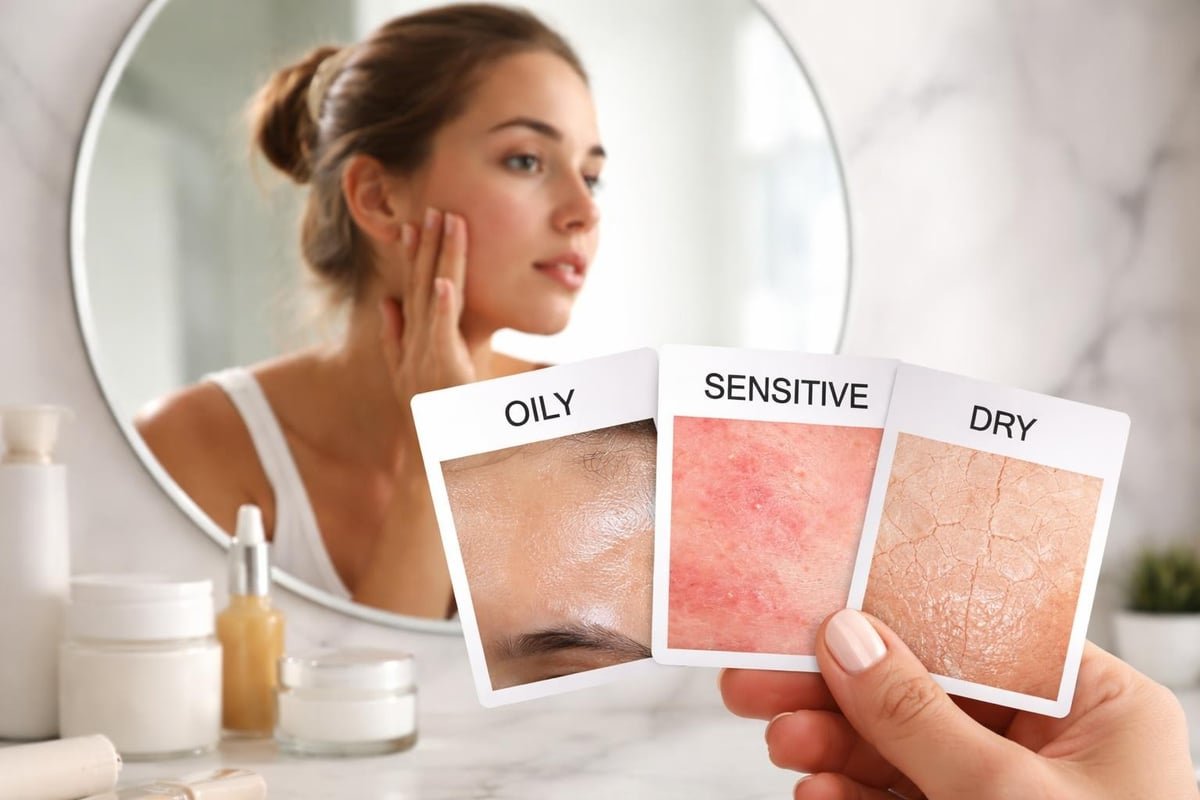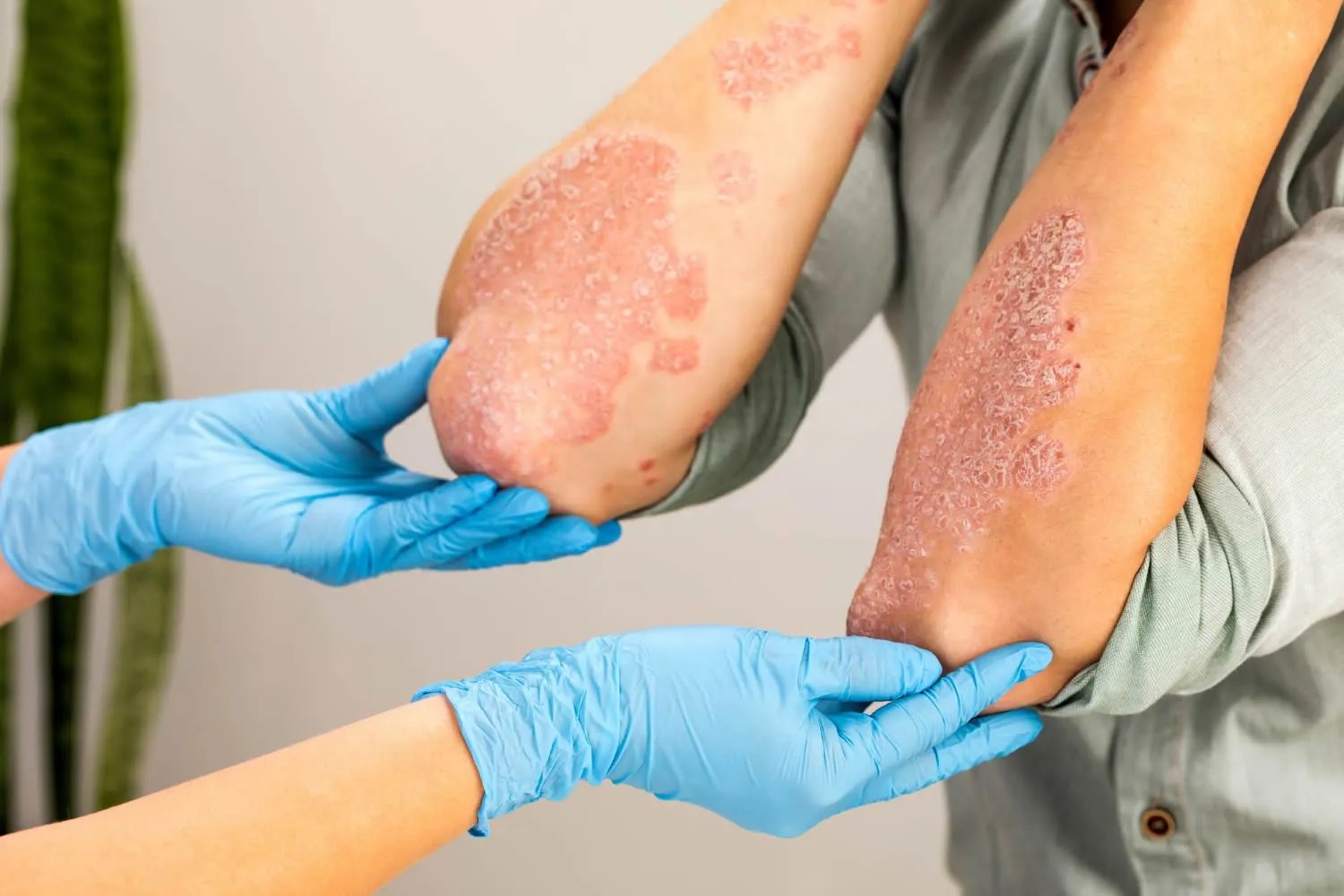
Chronic eczema is a long-lasting skin condition that causes dryness, itching, redness, and irritation. For many people, it does not fully go away and keeps coming back again and again. This is why finding the right chronic eczema treatment specialist dermatologist is very important. A skin specialist can help control symptoms, reduce flare-ups, and improve skin health over time.
In this article, we will explain what chronic eczema is, why it happens, how a dermatologist treats it, and what kind of care you can expect. Everything is written in easy and human-friendly language so that anyone can understand it.
What is Chronic Eczema?
Chronic eczema, also known as chronic dermatitis, is a skin condition where the skin becomes:
- Dry and rough
- Red and inflamed
- Itchy (sometimes very severe)
- Cracked or thickened over time
It is called “chronic” because it lasts for a long time and often returns even after treatment.
Eczema is not contagious. You cannot catch it from another person. It usually happens because of a mix of genetic and environmental factors.
Why Does Chronic Eczema Happen?
There is no single cause of eczema. Instead, it is a combination of different triggers. A chronic eczema treatment specialist dermatologist usually looks at all possible causes before starting treatment.
Some common reasons include:
1. Genetics
If someone in your family has eczema, asthma, or allergies, you may also develop it.
2. Weak skin barrier
In eczema, the skin does not hold moisture properly. This makes it dry and easily irritated.
3. Immune system reaction
The immune system becomes overactive and reacts strongly to harmless triggers.
4. Environmental triggers
Things that can make eczema worse include:
- Dust and pollution
- Soap and detergents
- Cold or dry weather
- Sweat and heat
- Certain fabrics like wool
5. Stress and lifestyle
Stress can also trigger flare-ups in many people.
Why You Need a Chronic Eczema Treatment Specialist Dermatologist
Many people try home remedies or over-the-counter creams first. Sometimes they work for a short time, but eczema often comes back.
A chronic eczema treatment specialist dermatologist is trained to:
- Identify the exact type of eczema
- Find your personal triggers
- Create a long-term treatment plan
- Prevent flare-ups
- Protect your skin from permanent damage
Instead of just treating symptoms, a specialist focuses on controlling the disease for the long term.
How a Dermatologist Diagnoses Chronic Eczema
When you visit a dermatologist, they usually follow these steps:
1. Medical history
They ask questions like:
- When did symptoms start?
- Does anyone in your family have allergies?
- What makes your skin worse?
2. Skin examination
The doctor checks your skin carefully to understand the type and severity of eczema.
3. Allergy testing (if needed)
Sometimes patch tests or allergy tests are done to find triggers.
4. Lifestyle review
They may ask about your diet, work environment, and skincare routine.
This helps the dermatologist create a personalized treatment plan.
Treatment Options for Chronic Eczema
A chronic eczema treatment specialist dermatologist uses different treatments depending on severity. Treatment is usually a combination of methods.
1. Moisturizers (Basic Treatment)
Moisturizing is the most important step. It helps repair the skin barrier and reduce dryness.
Dermatologists recommend:
- Thick creams or ointments
- Fragrance-free products
- Regular application (2–3 times daily)
2. Topical Steroid Creams
These are anti-inflammatory creams that reduce redness and itching. They are used for short periods during flare-ups.
3. Non-steroid creams
Some patients may need non-steroid medications like calcineurin inhibitors. These are safer for long-term use on sensitive areas like the face.
4. Oral medicines
For severe eczema, doctors may prescribe:
- Antihistamines (to reduce itching)
- Oral steroids (short-term use only)
- Immune system medications (in serious cases)
5. Light therapy (Phototherapy)
In this treatment, controlled ultraviolet light is used to reduce inflammation and improve skin condition.
6. Biologic treatments
For very severe eczema, modern injections called biologics can help control the immune response.
Daily Skin Care for Chronic Eczema
A dermatologist not only gives medicine but also teaches daily care habits. These are very important for long-term control.
1. Gentle bathing
- Use lukewarm water
- Avoid hot showers
- Use mild, fragrance-free soap
2. Moisturize immediately
Apply moisturizer within 3 minutes after bathing.
3. Wear soft clothing
Cotton clothes are best. Avoid rough fabrics like wool.
4. Avoid scratching
Scratching can damage skin and worsen eczema.
5. Keep nails short
This reduces skin damage during itching.
Lifestyle Tips for Better Control
A chronic eczema specialist dermatologist also guides patients about lifestyle changes:
- Drink enough water daily
- Manage stress with relaxation techniques
- Avoid known food triggers (if any)
- Keep your environment clean and dust-free
- Use humidifiers in dry weather
These small changes can make a big difference in controlling eczema.
Can Chronic Eczema Be Cured?
One of the most common questions patients ask is whether eczema can be fully cured.
The honest answer is:
Chronic eczema usually cannot be permanently cured, but it can be controlled very well.
With proper treatment from a chronic eczema treatment specialist dermatologist, many people live normal, comfortable lives without frequent flare-ups.
The goal is:
- Reduce itching
- Prevent flare-ups
- Improve skin health
- Maintain long-term comfort
When Should You See a Dermatologist?
You should visit a specialist if:
- Your skin condition lasts more than a few weeks
- Over-the-counter creams are not working
- Itching is affecting sleep
- Skin is cracked, bleeding, or infected
- Eczema keeps coming back
Early treatment helps prevent complications.
Final Thoughts
Chronic eczema can be frustrating, painful, and emotionally stressful. However, with the help of a chronic eczema treatment specialist dermatologist, it becomes manageable.
The key is not just treatment but also long-term care, patience, and lifestyle changes. Every person’s eczema is different, so personalized treatment is the best approach.
If you or someone you know is struggling with long-term eczema, consulting a skin specialist can make a huge difference in comfort and quality of life.
Frequently Asked Questions (FAQs)
1. What is a chronic eczema treatment specialist dermatologist?
A dermatologist who focuses on long-term eczema care, helping patients manage symptoms, prevent flare-ups, and improve skin health.
2. Is chronic eczema contagious?
No, eczema is not contagious. It cannot spread from person to person.
3. What is the best treatment for chronic eczema?
There is no single best treatment. A combination of moisturizers, creams, medications, and lifestyle changes works best.
4. Can diet affect eczema?
Yes, in some people certain foods can trigger flare-ups. A dermatologist may suggest avoiding specific foods if needed.
5. How long does eczema treatment take?
Treatment is ongoing. Some flare-ups improve in days or weeks, but long-term care is needed to control the condition.
Table of content
- 1. Genetics
- 2. Weak skin barrier
- 3. Immune system reaction
- 4. Environmental triggers
- 5. Stress and lifestyle
- 1. Medical history
- 2. Skin examination
- 3. Allergy testing (if needed)
- 4. Lifestyle review
- 1. Moisturizers (Basic Treatment)
- 2. Topical Steroid Creams
- 3. Non-steroid creams
- 4. Oral medicines
- 5. Light therapy (Phototherapy)
- 6. Biologic treatments
- 1. Gentle bathing
- 2. Moisturize immediately
- 3. Wear soft clothing
- 4. Avoid scratching
- 5. Keep nails short
- 1. What is a chronic eczema treatment specialist dermatologist?
- 2. Is chronic eczema contagious?
- 3. What is the best treatment for chronic eczema?
- 4. Can diet affect eczema?
- 5. How long does eczema treatment take?