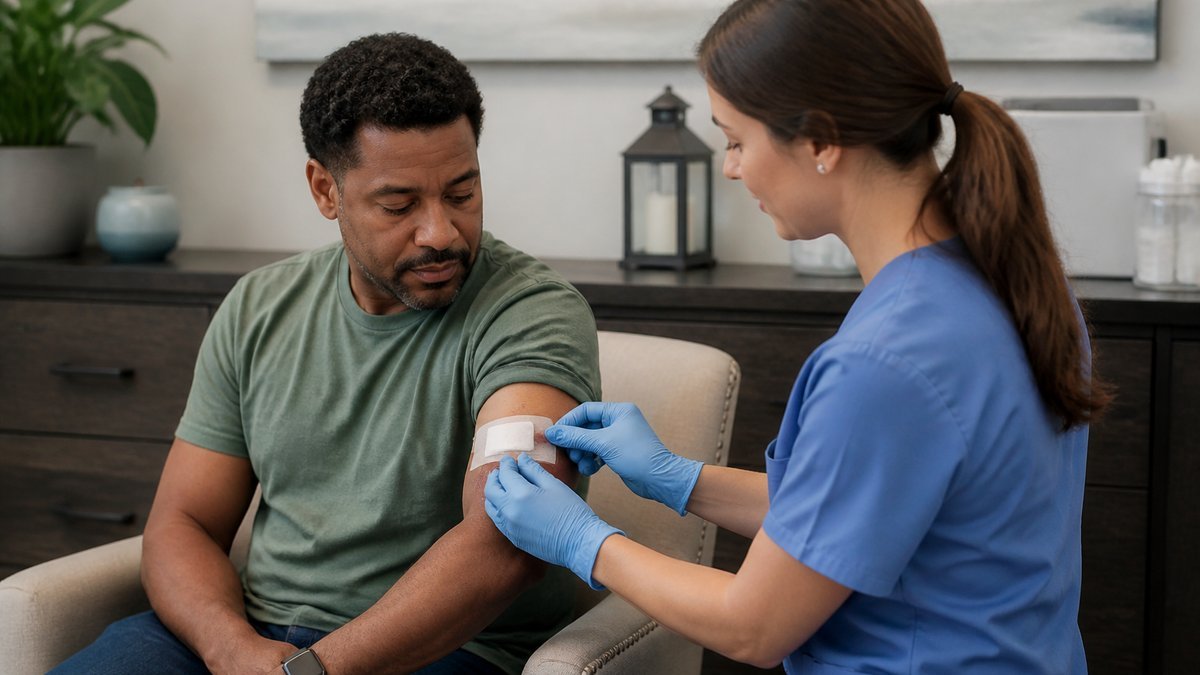
A wound is an opening in the skin, and it gives bacteria a direct path into your body. Infection can slow healing. Some wounds close in a few weeks, but chronic ulcers can stay open for months. Because open ulcers get infected easily, daily wound care matters.
Cleaning Your Wound Correctly
Clean hands are your first defense against infection. Wash your hands with soap and water before you touch the wound, and again afterward. Ask your provider which type suits your wound, and follow their instructions. Sometimes wound care needs moisture-retaining dressings, while others need absorbent ones. Then follow these steps to clean and care for your wound:
- Rinse gently. Use saline or clean water, and pat the surrounding skin dry.
- Skip harsh products. Avoid hydrogen peroxide and alcohol unless your provider recommends them.
- Remove old dressings carefully. This helps you avoid disturbing new tissue. If a dressing sticks, soak it gently with saline before pulling it away.
- Never reuse a dressing. Even if it looks clean, it can carry bacteria.
- Dispose of used materials safely. Place them in a sealed bag, and wash your hands again afterward.
- Avoid baths, pools, and hot tubs. Wait until your provider confirms the wound has closed.
Protecting Your Wound Daily
A proper dressing keeps bacteria out, and it holds in moisture. Change the dressing as often as your provider instructs, while replacing it sooner if it becomes wet or dirty. Keep the area covered, and do not pick at scabs. Check the wound each day for changes. Daily checks help you catch problems early. Look at the wound in good lighting, and compare it to the day before. Note changes in size, color, or drainage.
If your wound heals slowly, keep a simple log and share your notes with your provider. Clothing and footwear can affect wound protection. Wear loose, breathable fabrics that do not rub the wound. If the wound is on your leg or foot, avoid tight socks or shoes that press on the area. Friction can reopen healing skin, and it will sometimes raise your infection risk. Limit activities that put pressure on the wound. If the wound is on your foot or lower leg, rest with your leg elevated when possible.
Treating Underlying Vein Problems
Many leg ulcers develop from chronic venous insufficiency. In this condition, damaged valves let blood pool in the leg veins. Pooling raises pressure in the lower legs, and the skin can break down over time. Ulcers from this condition usually appear near the ankle. If the cause is not treated, an ulcer may stay open, and infection risk remains. If your legs feel heavy, achy, or swollen by day’s end, tell your provider. These symptoms may point to a vein problem before an ulcer develops. Treating the underlying vein problem removes a key barrier to healing, and it lowers long-term infection risk.
Schedule Your Wound Care Today
Infection prevention requires steady daily care. Keep the wound clean, and keep it covered. If your wound shows no progress in two weeks, book a visit. Ask about a vein evaluation. Bring a list of your medications and questions to your appointment. Your team can review your wound, check your circulation, and create a care plan with you. Contact your office to schedule your appointment.