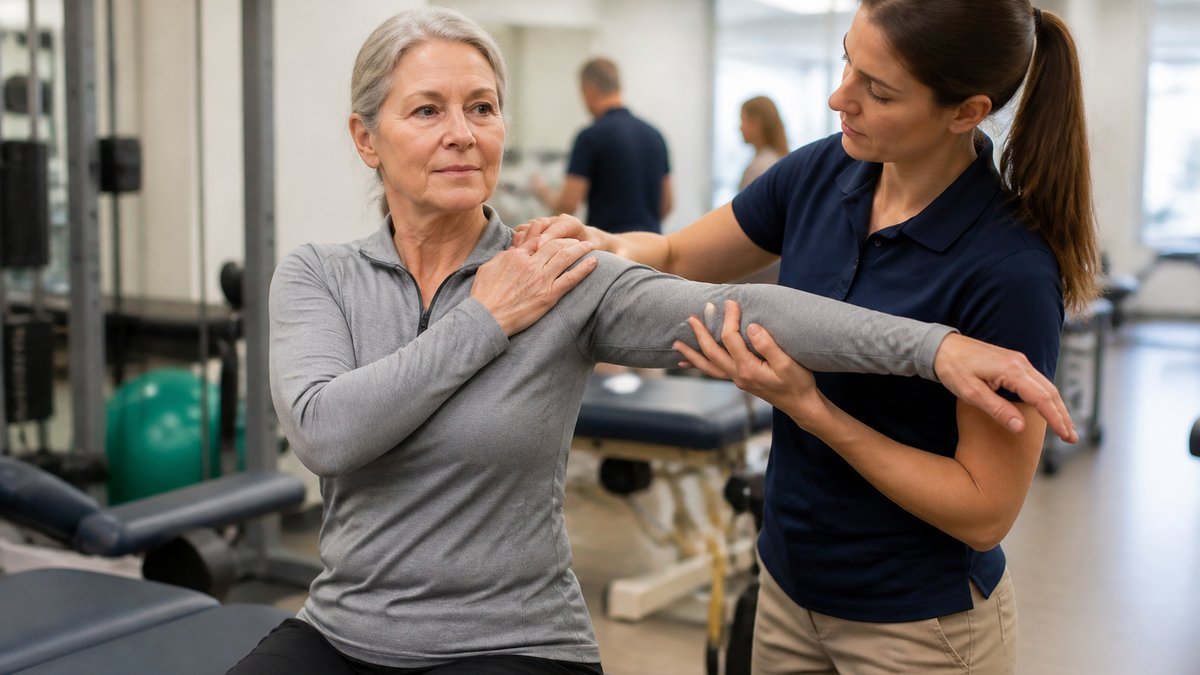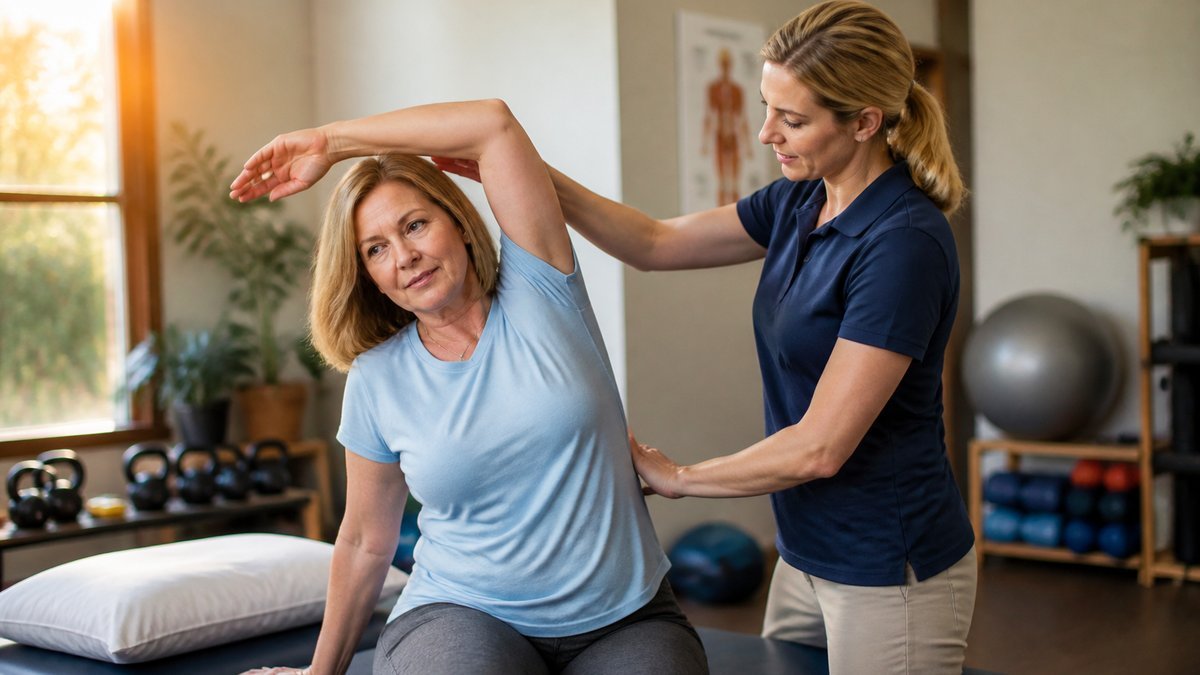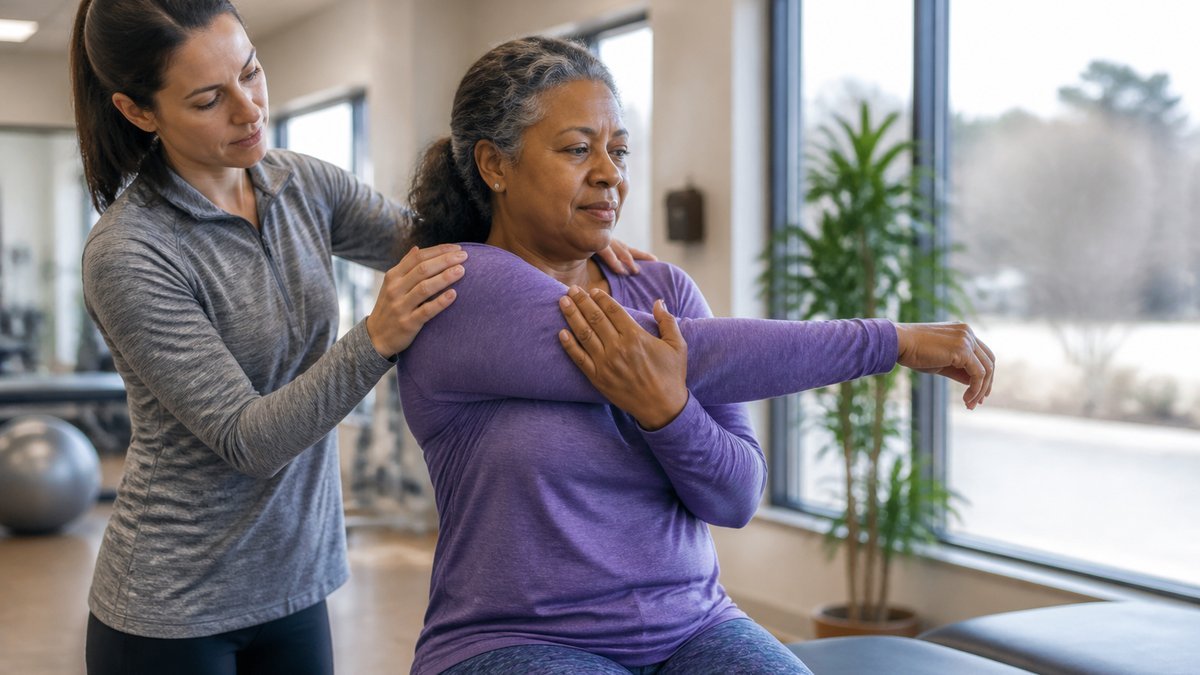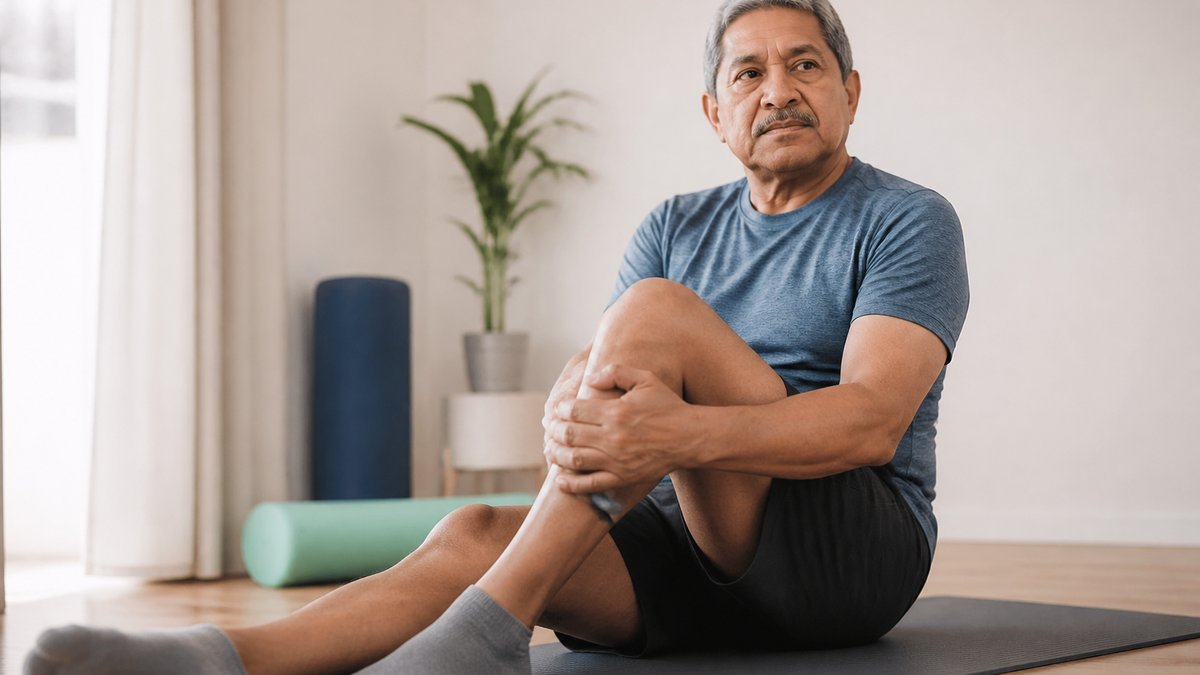
People living with arthritis may explore alternative therapies as part of their approach to managing joint pain and stiffness. Options such as acupuncture, massage, and mind-body practices differ in their methods and suitability for individual needs. Here is a closer look at alternative therapies for arthritis relief:
Exploring Movement-Based Therapies
Regular movement is a fundamental part of arthritis care plans. Long periods of inactivity can lead to stiffness and muscle weakness, so providers often recommend structured activity. While each person has different physical limits, movement-based therapies focus on low-strain and gradual progress.
Low-Impact Exercise
Low-impact exercise places less stress on the joints than running or jumping. Common options include swimming, water aerobics, stationary cycling, and walking on flat surfaces. Water supports your body weight, reducing the load on your hips and knees during activity. A physical therapist designs a program based on your strength and range of motion and adjusts it as your needs change.
Mind-Body Practices
Tai chi and yoga combine slow movement with breathing and balance work. These practices focus on controlled motion, and instructors often modify poses for people with limited joint flexibility. Contemplate joining a beginner class with an instructor who has experience working with arthritis.
Reviewing Hands-On and Temperature Therapies
Hands-on and temperature therapies for arthritis target the muscles and soft tissue around affected joints. Some people use these methods to manage stiffness before activity, and others use them after exercise. A provider can explain which options suit your type of arthritis. The following are some common choices:
- Massage therapy: A licensed therapist applies pressure to muscles and soft tissue.
- Acupuncture: A trained practitioner inserts thin needles at specific points on the body.
- Heat therapy: Warm packs, heating pads, or warm baths can loosen tight muscles.
- Cold therapy: Ice packs or cold compresses lower the skin and underlying tissue temperature.
Supporting Joints With Braces
Braces, splints, and shoe inserts provide external support for affected joints. A brace limits unwanted movement, while a splint holds a joint, such as the wrist or thumb, in a stable position. People with rheumatoid arthritis sometimes wear hand splints at night, and people with knee osteoarthritis may use unloader braces to shift weight away from the more affected side of the knee. Proper fit is key to comfort and function. An occupational therapist or orthotist can measure the joint and select a device that matches your activity level.
Examining Nutrition and Weight Management
Diet and body weight both relate to how joints function day to day. Extra body weight can increase the load on weight-bearing joints, such as the knees and hips, and it adds strain during walking and stair climbing. When a person loses weight gradually under medical guidance, the pressure on these joints decreases.
Providers may recommend eating patterns that include vegetables, fruits, whole grains, fish, nuts, and olive oil. Some people also take supplements such as fish oil, glucosamine, or turmeric, although evidence for these products varies. Talk to your provider before starting any supplement, as some products interact with arthritis medications. A registered dietitian can create a meal plan that fits your preferences and medical needs..
Schedule Your Arthritis Consultation Today
Alternative therapies for arthritis include movement programs, hands-on treatments, temperature therapy, joint supports, and nutrition changes. Consulting a registered dietitian can make sure that your dietary plan supports your personal preferences and medical needs. Each option fits within a care plan that a provider builds around your symptoms, goals, and current medication. Contact a qualified rheumatologist near you to schedule your arthritis consultation today.