
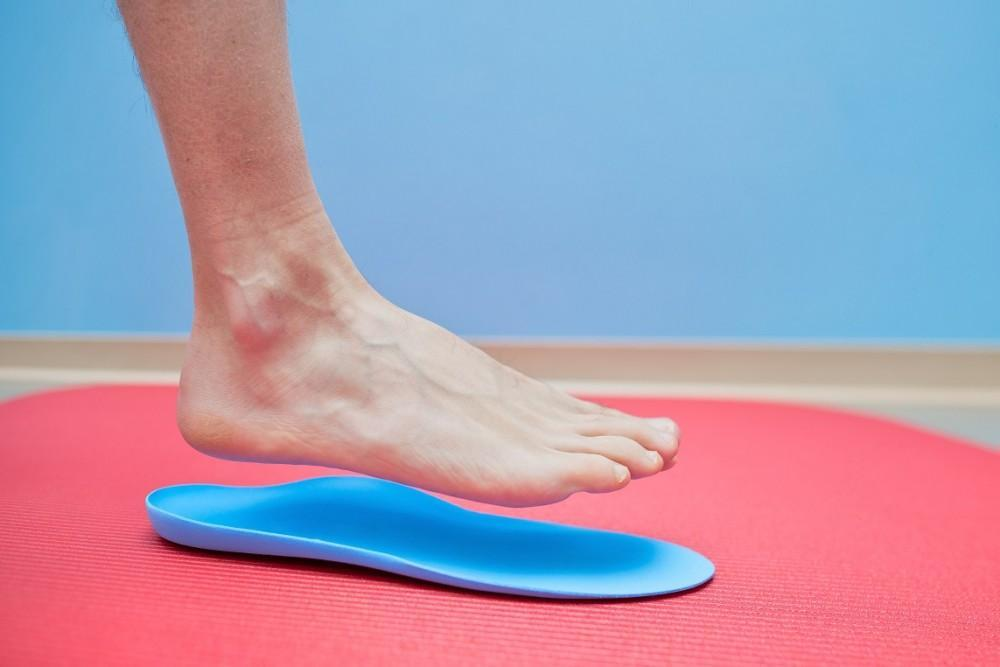
Flat feet correction and orthotics specialists play an important role in helping people who suffer from foot pain, posture issues, and walking difficulties caused by flat feet. Many people do not even realize they have flat feet until they start feeling discomfort in their feet, knees, or lower back. This article will explain everything in simple and clear language, including what flat feet are, why they happen, how they affect your body, and how an orthotics specialist can help correct the problem.
What Are Flat Feet?
Flat feet, also called “fallen arches,” is a condition where the arch of the foot is very low or completely missing. In a normal foot, there is a visible curve in the middle that helps absorb shock when walking or running. But in flat feet, the entire sole of the foot touches the ground.
Some people are born with flat feet, while others develop them over time due to injury, aging, weight gain, or weak foot muscles.
Flat feet can affect one foot or both feet. Some people feel no pain at all, while others experience discomfort that affects daily life.
Causes of Flat Feet
There are several reasons why flat feet develop. Understanding the cause helps in choosing the right treatment.
1. Genetics
Flat feet can run in families. If your parents have flat feet, there is a chance you may also develop them.
2. Weak Arch Development
In children, arches take time to develop. Sometimes, they do not form properly.
3. Injury
Injuries to the foot, ankle, or tendons can lead to collapsed arches.
4. Aging
As people grow older, tendons in the foot can weaken, causing the arch to drop.
5. Obesity
Extra body weight puts pressure on the feet, which can flatten the arch over time.
6. Medical Conditions
Certain conditions like arthritis or diabetes can also contribute to flat feet.
Symptoms of Flat Feet
Some people do not notice symptoms, but others may experience:
- Pain in the arch or heel
- Swelling along the inside of the foot
- Tired or heavy feet after walking
- Knee, hip, or lower back pain
- Difficulty standing on tiptoes
- Uneven shoe wear
If these symptoms appear regularly, it may be time to see a specialist.
Why Flat Feet Correction Is Important
Flat feet are not always dangerous, but ignoring them can lead to long-term problems. Without proper support, the body alignment changes. This can cause pain in the ankles, knees, hips, and spine.
Flat feet correction helps in:
- Improving walking posture
- Reducing pain and discomfort
- Preventing joint problems
- Enhancing balance and stability
- Making daily activities easier
Early correction is always better than waiting for the problem to get worse.
What Does an Orthotics Specialist Do?
An orthotics specialist is a trained professional who focuses on improving foot function using special devices called orthotics. These specialists study how your feet move and how your body weight is distributed when you walk or stand.
They help design solutions that support your arches and correct your walking pattern.
Key Roles of an Orthotics Specialist:
- Examining foot structure and walking style
- Diagnosing flat feet severity
- Creating custom orthotic insoles
- Recommending exercises for foot strength
- Guiding patients on proper footwear
Their goal is not just to reduce pain but also to improve long-term foot health.
Diagnosis of Flat Feet
An orthotics specialist or doctor may use different methods to check flat feet:
1. Physical Examination
They will look at your feet while standing and walking.
2. Wet Foot Test
Your foot is pressed on a surface to see the shape of the arch.
3. X-rays or Imaging
In some cases, imaging is used to understand bone alignment.
4. Gait Analysis
This test studies how you walk and how your feet move.
These tests help the specialist understand how serious the condition is.
Treatment Options for Flat Feet
Flat feet treatment depends on severity. Some people only need simple support, while others may need long-term care.
1. Orthotic Insoles
These are shoe inserts designed to support the arch. They are the most common treatment.
2. Supportive Footwear
Shoes with strong arch support help reduce pain and improve posture.
3. Physical Therapy
Exercises help strengthen foot and leg muscles.
4. Weight Management
Reducing extra weight decreases pressure on the feet.
5. Medication
Pain relievers may be used for inflammation in severe cases.
6. Surgery (Rare Cases)
In very serious cases where pain is extreme, surgery may be recommended.
Role of Orthotics in Flat Feet Correction
Orthotics are specially designed devices placed inside shoes. They help correct foot alignment and reduce stress on muscles and joints.
Types of Orthotics:
- Soft Orthotics: Provide cushioning and comfort
- Rigid Orthotics: Control foot movement and improve alignment
- Custom Orthotics: Made specifically for your foot shape
- Prefabricated Orthotics: Ready-made inserts for mild cases
Orthotics work by lifting the arch, improving posture, and balancing pressure across the feet.
Exercises for Flat Feet Correction
Exercises are a natural way to strengthen foot muscles. An orthotics specialist often recommends them along with insoles.
Simple Exercises Include:
- Toe curls using a towel
- Heel raises
- Rolling a ball under the foot
- Picking up small objects with toes
- Stretching the Achilles tendon
Doing these exercises regularly can improve foot strength and reduce pain over time.
Lifestyle Tips for Managing Flat Feet
Small lifestyle changes can make a big difference:
- Wear supportive shoes daily
- Avoid walking barefoot on hard surfaces
- Maintain a healthy body weight
- Take breaks if standing for long hours
- Follow exercise routines consistently
These habits help reduce stress on the feet and improve comfort.
When Should You See an Orthotics Specialist?
You should consider visiting a specialist if:
- You feel constant foot pain
- Your shoes wear out unevenly
- You experience knee or back pain
- You have difficulty walking long distances
- Your feet feel tired all the time
Early consultation helps prevent complications.
Conclusion
Flat feet may seem like a simple condition, but they can affect your entire body if ignored. Flat feet correction and orthotics specialists play a very important role in diagnosing, treating, and managing this condition. With the right support, exercises, and orthotic devices, most people can live a pain-free and active life.
If you experience symptoms of flat feet, seeking professional advice early can make a big difference in your comfort and long-term health. Proper care is not just about fixing your feet—it’s about improving your whole body posture and quality of life.
Frequently Asked Questions (FAQs)
1. Can flat feet be completely cured?
Flat feet cannot always be completely “cured,” but they can be effectively managed with orthotics, exercises, and proper footwear. Many people live pain-free with treatment.
2. Are orthotic insoles painful to wear?
No, orthotic insoles are not painful. At first, you may feel slight pressure as your feet adjust, but they soon become comfortable and supportive.
3. Do children outgrow flat feet?
Yes, many children naturally develop arches as they grow. However, if flat feet continue with pain, a specialist should evaluate them.
4. How long does it take to see improvement with orthotics?
Most people feel improvement within a few weeks, but full benefits may take a few months depending on the condition.
5. Can flat feet cause back pain?
Yes, flat feet can affect posture and lead to knee, hip, and lower back pain due to improper body alignment.
Table of content
- 1. Genetics
- 2. Weak Arch Development
- 3. Injury
- 4. Aging
- 5. Obesity
- 6. Medical Conditions
- Key Roles of an Orthotics Specialist:
- 1. Physical Examination
- 2. Wet Foot Test
- 3. X-rays or Imaging
- 4. Gait Analysis
- 1. Orthotic Insoles
- 2. Supportive Footwear
- 3. Physical Therapy
- 4. Weight Management
- 5. Medication
- 6. Surgery (Rare Cases)
- Types of Orthotics:
- Simple Exercises Include:
- 1. Can flat feet be completely cured?
- 2. Are orthotic insoles painful to wear?
- 3. Do children outgrow flat feet?
- 4. How long does it take to see improvement with orthotics?
- 5. Can flat feet cause back pain?
