
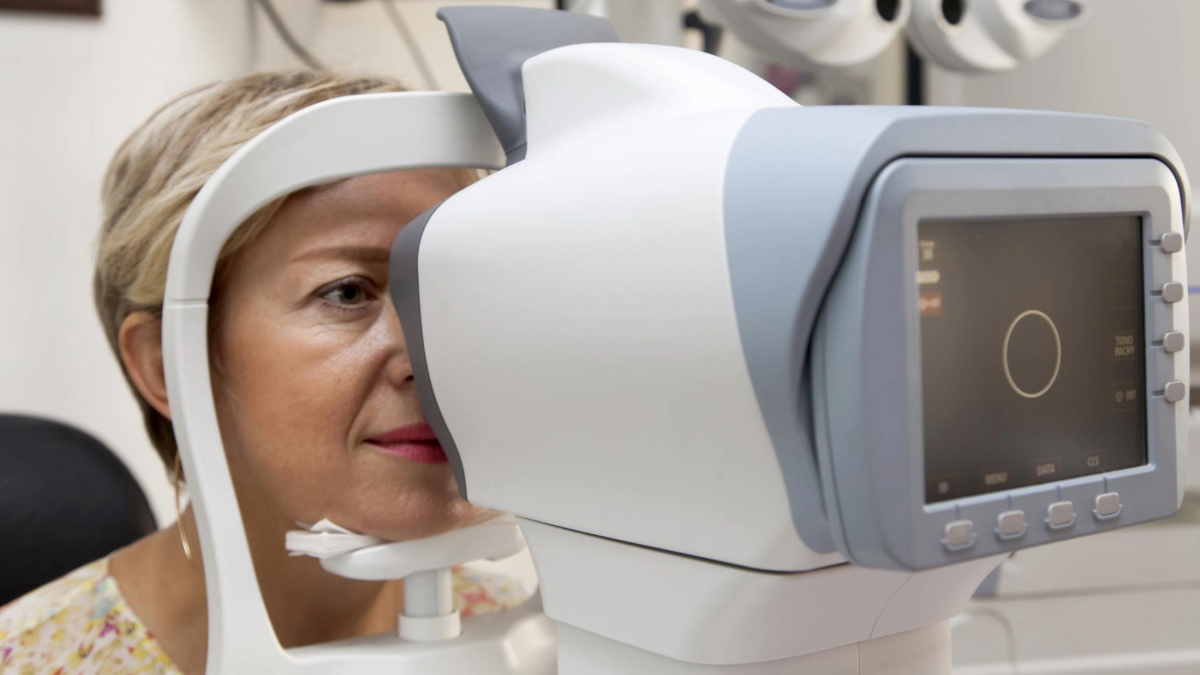
Glaucoma is one of the most serious eye conditions because it can quietly damage vision without early warning signs. Many people do not realize they have it until vision loss has already started. That is why glaucoma screening and treatment by an ophthalmologist is so important. Regular eye checks can protect your eyesight and help prevent permanent blindness.
In this article, we will explain what glaucoma is, why screening matters, how ophthalmologists diagnose it, and what treatment options are available. Everything is written in simple and easy language so anyone can understand.
What is Glaucoma?
Glaucoma is a group of eye diseases that damage the optic nerve. The optic nerve is like a cable that sends visual information from your eye to your brain. When it gets damaged, your vision becomes weak, and in severe cases, it can lead to blindness.
One of the main causes of glaucoma is high pressure inside the eye, also called intraocular pressure. However, even normal eye pressure can sometimes cause glaucoma.
The dangerous part is that glaucoma usually develops slowly and painlessly. That means a person may not notice it until significant vision is already lost.
Why Glaucoma Screening is Important
Glaucoma screening is a simple process that helps detect the disease early before serious damage occurs. Since early glaucoma often has no symptoms, screening is the only reliable way to catch it in time.
Here are some key reasons why screening matters:
- It helps detect glaucoma before vision loss happens
- It prevents permanent damage to the optic nerve
- It allows early treatment to slow or stop the disease
- It is especially important for people over 40 or those with family history
An ophthalmologist plays a key role in this process because they are eye specialists trained to detect and treat complex eye diseases.
Who Should Get Glaucoma Screening?
Not everyone has the same risk, but some people should be more careful and get regular eye exams:
- People over 40 years old
- People with a family history of glaucoma
- Diabetics or people with high blood pressure
- Individuals with high eye pressure
- People who use steroid medications for a long time
- Those with severe nearsightedness (myopia)
If you fall into any of these groups, regular visits to an ophthalmologist are very important.
How Ophthalmologists Screen for Glaucoma
When you visit an ophthalmologist for glaucoma screening, they perform several simple and painless tests. These tests help check eye pressure, optic nerve health, and vision changes.
1. Eye Pressure Test (Tonometry)
This test measures the pressure inside your eye. High pressure may indicate a risk of glaucoma.
2. Optic Nerve Examination
The doctor looks at the optic nerve using special tools to check for damage or changes.
3. Visual Field Test
This test checks your side vision (peripheral vision). Glaucoma often affects side vision first.
4. Corneal Thickness Test
The thickness of your cornea can affect eye pressure readings, so this test helps get accurate results.
5. Imaging Tests
Advanced scans like OCT (Optical Coherence Tomography) help create detailed images of the optic nerve.
These tests are quick, painless, and very effective in detecting early signs of glaucoma.
Types of Glaucoma
There are different types of glaucoma, and each one affects the eye differently.
1. Open-Angle Glaucoma
This is the most common type. It develops slowly and often without symptoms.
2. Angle-Closure Glaucoma
This type is more sudden and painful. It requires emergency treatment.
3. Normal-Tension Glaucoma
In this type, eye pressure is normal, but the optic nerve still gets damaged.
4. Secondary Glaucoma
This occurs due to other health conditions like eye injury, diabetes, or steroid use.
Understanding the type of glaucoma helps the ophthalmologist choose the best treatment plan.
Glaucoma Treatment Options
Although glaucoma cannot be completely cured, it can be controlled. The goal of treatment is to reduce eye pressure and prevent further damage.
1. Eye Drops
Eye drops are the most common treatment. They help lower eye pressure by reducing fluid production or improving fluid drainage.
2. Oral Medications
In some cases, pills are used to reduce eye pressure quickly.
3. Laser Treatment
Laser therapy helps improve fluid drainage from the eye. It is a quick procedure and often done in an outpatient setting.
4. Surgery
If other treatments do not work, surgery may be needed to create a new drainage path for eye fluid.
An ophthalmologist decides the best treatment based on the severity of the condition.
Living with Glaucoma
If someone is diagnosed with glaucoma, it does not mean vision loss is unavoidable. With proper treatment and regular follow-ups, many people maintain good vision throughout their lives.
Here are some important lifestyle tips:
- Take medications exactly as prescribed
- Do not skip follow-up appointments
- Protect eyes from injury
- Maintain healthy blood pressure and sugar levels
- Exercise regularly
- Eat a balanced diet rich in leafy greens and antioxidants
Managing glaucoma is a lifelong process, but with discipline, vision can be preserved.
Role of an Ophthalmologist in Glaucoma Care
An ophthalmologist is the most important person in glaucoma management. They:
- Diagnose the disease early
- Monitor eye health over time
- Adjust treatments based on progress
- Perform laser or surgical procedures when needed
- Educate patients about eye care
Because glaucoma is a long-term condition, having a trusted ophthalmologist is essential for protecting vision.
Why Early Detection Saves Vision
The biggest danger of glaucoma is delayed diagnosis. Once vision is lost, it cannot be restored. That is why early screening is so powerful.
When detected early:
- Treatment is more effective
- Vision loss can be slowed or stopped
- Less aggressive treatment is needed
- Quality of life remains high
This is why experts recommend regular eye exams even if you have no symptoms.
Conclusion
Glaucoma is a silent eye disease that can cause permanent blindness if not treated early. However, with proper glaucoma screening and treatment by an ophthalmologist, vision loss can often be prevented.
Regular eye checkups, early detection, and consistent treatment are the best ways to protect your eyesight. If you are over 40 or have risk factors, do not wait for symptoms—schedule a screening today.
Your vision is precious, and taking care of it early is the best decision you can make.
Frequently Asked Questions (FAQs)
1. What is the first sign of glaucoma?
Most people do not notice early signs. In later stages, peripheral (side) vision may become weak.
2. Can glaucoma be cured permanently?
No, glaucoma cannot be cured, but it can be controlled with treatment to prevent vision loss.
3. Is glaucoma screening painful?
No, all glaucoma screening tests are simple, quick, and painless.
4. How often should I get my eyes checked?
People over 40 should get checked every 1–2 years, or more often if at high risk.
5. What happens if glaucoma is not treated?
If untreated, glaucoma can lead to permanent vision loss and even blindness.
Table of content
- 1. Eye Pressure Test (Tonometry)
- 2. Optic Nerve Examination
- 3. Visual Field Test
- 4. Corneal Thickness Test
- 5. Imaging Tests
- 1. Open-Angle Glaucoma
- 2. Angle-Closure Glaucoma
- 3. Normal-Tension Glaucoma
- 4. Secondary Glaucoma
- 1. Eye Drops
- 2. Oral Medications
- 3. Laser Treatment
- 4. Surgery
- 1. What is the first sign of glaucoma?
- 2. Can glaucoma be cured permanently?
- 3. Is glaucoma screening painful?
- 4. How often should I get my eyes checked?
- 5. What happens if glaucoma is not treated?
