
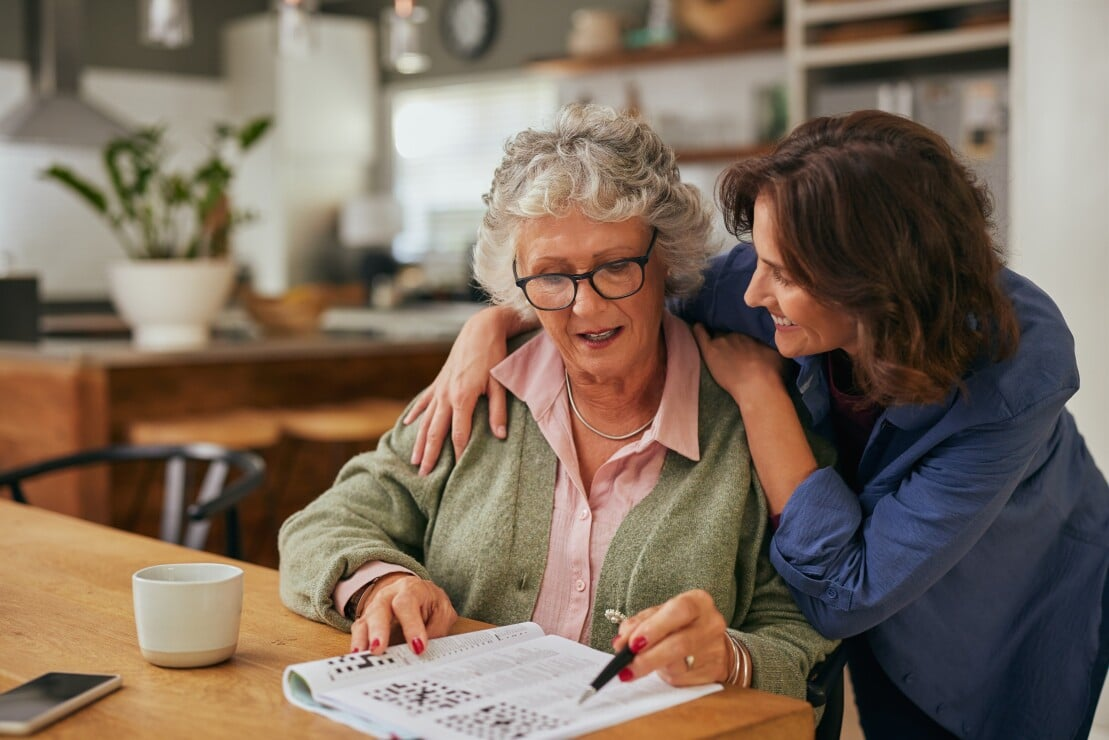
As parents grow older, their health and daily needs begin to change. Many families want to give their aging parents the best care possible while also helping them stay comfortable and independent. This is why home healthcare solutions are becoming more popular around the world. Instead of moving elderly parents to nursing homes or care facilities, families are choosing care services that allow seniors to stay in their own homes.
Home healthcare solutions provide medical support, emotional care, and daily assistance for older adults. These services help seniors live safely and happily while remaining close to their loved ones. In this article, we will explain different home healthcare solutions, their benefits, and how families can choose the right care for aging parents.
What Is Home Healthcare?
Home healthcare is a service that provides medical or personal care to seniors in their own homes. It is designed for elderly people who need help because of age, illness, injury, or disability. The main goal of home healthcare is to improve the quality of life while helping seniors remain independent.
Home healthcare services can include:
- Nursing care
- Physical therapy
- Medication management
- Personal care assistance
- Meal preparation
- Companionship
- Transportation support
- Monitoring health conditions
These services can be part-time, full-time, or only when needed.
Why Home Healthcare Is Important for Aging Parents
As people age, they may struggle with daily activities like cooking, bathing, walking, or remembering medications. Some seniors also feel lonely or depressed when they live alone. Home healthcare helps solve these problems by providing support directly at home.
Here are some important reasons why home healthcare matters:
Comfort and Familiarity
Older adults often feel safer and happier in their own homes. Familiar surroundings can reduce stress, confusion, and anxiety. This is especially important for seniors with memory problems such as dementia or Alzheimer’s disease.
More Independence
Home healthcare allows seniors to continue their normal routines. They can sleep in their own beds, eat their favorite meals, and enjoy their personal space while receiving proper care.
Personalized Care
Every elderly person has different health needs. Home healthcare plans are usually customized based on the patient’s condition, lifestyle, and medical requirements.
Family Involvement
Family members can stay involved in the care process. They can monitor treatment, communicate with caregivers, and spend quality time with their parents.
Lower Risk of Infection
Hospitals and nursing homes can expose seniors to infections. Receiving care at home often reduces this risk.
Types of Home Healthcare Solutions
There are many kinds of home healthcare services available for aging parents. Families can choose one or combine several services depending on their needs.
Skilled Nursing Care
Skilled nursing care is provided by licensed nurses. These professionals help seniors who have serious medical conditions or are recovering from surgery or illness.
Nurses may provide:
- Wound care
- Injections
- Blood pressure monitoring
- Medication management
- Diabetes care
- Pain management
This type of care is useful for seniors who need regular medical attention at home.
Personal Care Assistance
Some seniors need help with everyday activities. Personal care assistants help elderly parents with tasks such as:
- Bathing
- Dressing
- Grooming
- Toileting
- Walking assistance
This support helps seniors maintain dignity and cleanliness while reducing the risk of falls or injuries.
Physical Therapy at Home
Aging parents who suffer from weakness, injuries, strokes, or surgeries may need physical therapy. Therapists visit the home and guide seniors through exercises that improve strength, balance, and movement.
Physical therapy can help seniors:
- Recover faster
- Prevent falls
- Improve flexibility
- Reduce pain
Companion Care
Loneliness is a major issue for many older adults. Companion caregivers provide emotional support and friendly interaction. They may:
- Talk with seniors
- Play games
- Read books
- Go for walks
- Accompany them to appointments
Companion care improves emotional health and reduces feelings of isolation.
Home Health Monitoring Technology
Modern technology has made home healthcare more effective. Many families now use smart devices to monitor aging parents remotely.
Some popular healthcare technologies include:
- Emergency alert systems
- Smart watches for heart rate monitoring
- Medication reminder apps
- Video calling devices
- Fall detection systems
These tools help families feel more connected and informed about their parents’ safety.
Meal and Nutrition Support
Healthy eating is very important for seniors. Some home healthcare services provide meal planning and cooking assistance. Caregivers prepare nutritious meals that meet dietary needs such as:
- Low-salt diets
- Diabetic meals
- Soft foods for chewing difficulties
Good nutrition supports energy, immunity, and overall health.
Transportation Services
Many aging parents stop driving because of health or vision problems. Transportation assistance helps seniors attend:
- Doctor appointments
- Therapy sessions
- Grocery shopping
- Social activities
Reliable transportation keeps seniors active and connected to the community.
Signs Your Aging Parents May Need Home Healthcare
Sometimes families are unsure when to seek professional help. Here are some common signs that aging parents may benefit from home healthcare:
- Frequent falls or injuries
- Forgetting medications
- Difficulty cooking or cleaning
- Poor personal hygiene
- Weight loss
- Isolation or depression
- Trouble walking
- Memory problems
- Chronic illnesses becoming worse
Recognizing these signs early can prevent serious health issues later.
How to Choose the Right Home Healthcare Service
Choosing the best home healthcare provider is an important decision. Families should carefully research and compare different options.
Check Qualifications
Make sure caregivers and nurses are properly trained and licensed.
Read Reviews
Online reviews and recommendations from friends can help identify trusted providers.
Ask About Experience
Choose providers with experience caring for seniors who have similar health conditions.
Discuss Costs
Home healthcare costs can vary. Ask about pricing, insurance coverage, and payment plans.
Meet the Caregiver
It is important for aging parents to feel comfortable with the caregiver. A good personality match improves trust and communication.
Benefits for Family Caregivers
Home healthcare solutions do not only help seniors. They also support family members who often feel stressed while caring for aging parents.
Professional caregivers can reduce pressure by helping with daily responsibilities. This allows family members to focus on emotional support rather than handling every task alone.
Families can also enjoy peace of mind knowing their loved ones are receiving proper care and attention.
Challenges of Home Healthcare
Although home healthcare offers many benefits, there can also be challenges.
Cost
Some services may be expensive, especially for full-time care.
Finding Reliable Caregivers
Families may struggle to find trustworthy professionals.
Home Modifications
Some homes may need safety improvements such as handrails, ramps, or bathroom adjustments.
Despite these challenges, many families believe the comfort and happiness of aging parents make home healthcare worthwhile.
The Future of Home Healthcare
The future of home healthcare is growing rapidly. Technology, telemedicine, and smart health devices are making it easier to care for seniors at home.
Doctors can now monitor patients remotely, while video consultations allow seniors to receive medical advice without leaving home. Artificial intelligence and smart sensors may also improve elderly care in the coming years.
As populations age worldwide, home healthcare solutions will continue to play an important role in supporting older adults.
Conclusion
Caring for aging parents is a responsibility filled with love, patience, and concern. Home healthcare solutions provide a safe, comfortable, and effective way to support seniors while helping them maintain independence and dignity.
From skilled nursing care to companionship and modern health technology, these services improve both physical and emotional well-being. Families can choose personalized care options that match their parents’ needs and lifestyle.
With the right support, aging parents can enjoy healthier, happier lives in the comfort of their own homes.
FAQs About Home Healthcare Solutions for Aging Parents
1. What is the main purpose of home healthcare?
The main purpose of home healthcare is to provide medical and personal support to seniors in their own homes while helping them stay safe, healthy, and independent.
2. Is home healthcare better than a nursing home?
It depends on the senior’s health condition and personal needs. Many seniors prefer home healthcare because they can stay in a familiar and comfortable environment.
3. How much does home healthcare cost?
The cost varies depending on the type of care, location, and number of hours needed. Some insurance plans may cover certain services.
4. Can home healthcare help seniors with dementia?
Yes, many home healthcare providers offer specialized care for seniors with dementia or Alzheimer’s disease.
5. How do I know if my parent needs home healthcare?
If your parent struggles with daily activities, forgets medications, experiences falls, or feels isolated, home healthcare may be helpful.
