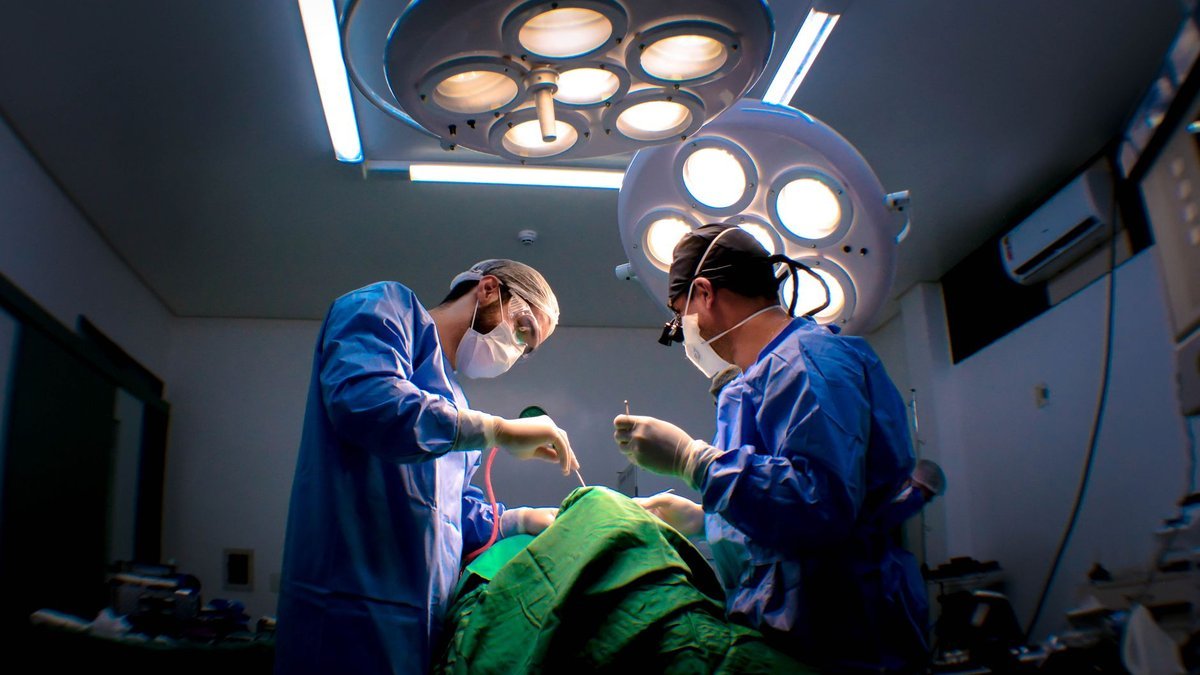
Plastic surgeon clinics offer cosmetic and reconstructive procedures for the face and body. Many clinics focus on breast surgery, and their surgeons typically hold board certification in plastic surgery. When you visit one, you meet with a surgeon who reviews your health history and goals. This is how a plastic surgeon can help you with breast surgery:
Increased Cup Size
If you want fuller breasts, a plastic surgeon may recommend breast augmentation with implants or fat transfer. Implants come in saline and silicone versions, and each type has different shapes and textures. Fat transfer uses your own fat from an area such as the abdomen or thighs. You may need follow-up imaging, and your surgeon will explain the recommended schedule. Your surgeon reviews several factors before recommending a size:
- Implant type, shape, and profile
- Placement above or below the chest muscle
- Incision site, such as under the breast or around the areola
- Chest width and existing tissue
Reduced Sagging
Breasts typically droop over time, and several factors contribute to the change. Since skin loses elasticity with age, breast tissue may sit lower on the chest. Pregnancy, breastfeeding, and weight loss also play a role. A breast lift, or mastopexy, addresses this shape change.
Before surgery begins, the surgeon marks the new nipple position on your skin. During the lift, the surgeon removes extra skin and reshapes the breast tissue. The nipple and areola move to a higher spot, and the surgeon may also reduce areola size.
Incision patterns vary by the degree of sagging. Mild cases may need only a small incision around the areola, but severe cases typically need an anchor-shaped cut. Your surgeon will explain where scars will likely fall so you know what to expect. Many patients return to desk work within weeks.
Removed Excess Tissue
Breast reduction removes fat, glandular tissue, and skin from large breasts. Some people seek this surgery because heavy breasts contribute to neck, back, or shoulder pain. Recovery typically involves a surgical bra and limited lifting for several weeks. Others notice bra strap grooves, and some deal with rashes under the breast fold.
The surgeon reshapes the smaller breast, and the nipple usually moves higher on the chest. Liposuction sometimes removes extra fat near the underarm. If your symptoms cause medical problems, insurance may cover part of the cost. Your clinic staff will explain the documents your insurer requires.
Personalized Approach
Each plan starts with a consultation where the surgeon examines your chest and asks about your goals. The surgeon also reviews your medications and past surgeries. Some clinics use 3D imaging, and others offer sample sizers for fitting. Bring these items to your first visit:
- List of current medications and supplements
- Notes on past surgeries or breast imaging
- Photos of breast shapes you like
- Questions about recovery, cost, and scarring
Your surgeon may combine procedures, and a lift with implants is a common pairing. If you smoke, the team will likely ask you to stop several weeks before surgery. Nicotine slows healing and raises the risk of complications.
Schedule a Plastic Surgeon Consultation
A consultation gives you time to ask questions and review your options. Contact a board-certified plastic surgeon’s clinic, and you can ask about their experience with your procedure. Before you book, check reviews and before-and-after photos from past patients. Many clinics offer flexible appointment times, including evenings.