
Infections and pain are common health problems that can affect anyone at any time. A small cut, tooth problem, sore throat, fever, or body ache can quickly become uncomfortable if not treated properly. Immediate treatment is important because it helps reduce pain, stop the infection from spreading, and improve recovery time. Many people ignore early symptoms, but fast action can protect overall health and prevent serious complications.
This article explains the causes of infections and pain, the best immediate treatments, home remedies, medical options, and ways to stay healthy.
Understanding Infections and Pain
An infection happens when harmful bacteria, viruses, fungi, or parasites enter the body and begin to grow. The immune system fights these germs, which may cause symptoms such as swelling, redness, fever, weakness, or pain.
Pain is the body’s warning signal. It tells us something is wrong. Pain can be mild or severe and may happen because of infection, injury, inflammation, or illness.
Sometimes infections and pain appear together. For example, a throat infection may cause pain while swallowing, or a tooth infection may create severe jaw pain.
Common Types of Infections
There are many kinds of infections that people experience every day. Some common examples include:
1. Throat Infections
These are caused by bacteria or viruses. Symptoms include sore throat, fever, difficulty swallowing, and swollen glands.
2. Ear Infections
Ear infections are common in children and adults. They may cause ear pain, fever, and hearing problems.
3. Tooth Infections
A tooth abscess can cause intense pain, swelling, and even fever if untreated.
4. Skin Infections
Cuts, burns, or wounds can become infected. Redness, pus, swelling, and warmth are common signs.
5. Urinary Tract Infections (UTIs)
UTIs affect the urinary system and can cause burning during urination, stomach pain, and frequent urination.
6. Sinus Infections
These infections cause headaches, facial pressure, blocked nose, and pain around the eyes.
Why Immediate Treatment Matters
Treating infections and pain quickly is very important. Delaying treatment can lead to serious health problems. Infections may spread to other parts of the body, while untreated pain can affect sleep, mood, work, and daily activities.
Immediate treatment can:
- Reduce pain and discomfort
- Stop the infection from becoming worse
- Speed up recovery
- Prevent hospital visits
- Improve overall health
Early care often means simpler and less expensive treatment.
Immediate Treatments for Infections
1. Rest and Hydration
The body heals faster when it gets enough rest. Drinking water also helps remove toxins and keeps the body hydrated during fever or illness.
Warm drinks like soup or herbal tea can soothe throat pain and support recovery.
2. Cleaning the Infected Area
If the infection is on the skin, clean the area gently with soap and water. Cover wounds with a clean bandage to avoid more bacteria entering the body.
Good hygiene is one of the best first steps in infection treatment.
3. Using Antibiotics Carefully
Doctors may prescribe antibiotics for bacterial infections. These medicines kill harmful bacteria and help the body recover.
However, antibiotics should only be used when recommended by a healthcare professional. Taking the wrong medicine or stopping treatment early can make infections harder to treat later.
4. Antiviral or Antifungal Medicines
Some infections are caused by viruses or fungi instead of bacteria. In these cases, doctors may recommend antiviral or antifungal medicines.
Using the correct treatment is important for fast healing.
5. Warm Salt Water Gargle
For throat infections or mouth pain, gargling with warm salt water can reduce swelling and kill some germs naturally.
This simple home remedy is safe, affordable, and effective for temporary relief.
Immediate Treatments for Pain
Pain relief depends on the cause of the pain. Some treatments work well for general body pain, while others target specific areas.
1. Over-the-Counter Pain Relievers
Medicines such as ibuprofen or acetaminophen can help reduce pain and fever. These are commonly used for headaches, body aches, tooth pain, and mild infections.
Always follow the correct dosage instructions.
2. Cold and Warm Compresses
A cold compress can reduce swelling and numb pain, especially after injuries or swelling.
A warm compress improves blood flow and relaxes muscles. It works well for muscle pain, cramps, and sinus pressure.
3. Resting the Body
Too much physical activity can increase pain. Rest allows the body to heal naturally and reduces stress on affected areas.
4. Gentle Stretching
For muscle pain or stiffness, light stretching may improve movement and reduce discomfort.
However, severe pain should not be ignored. If pain gets worse, medical attention may be necessary.
Natural Home Remedies
Many people use home remedies for mild infections and pain relief. These remedies may provide comfort and support healing.
Honey
Honey has natural antibacterial properties and can soothe sore throats and coughs.
Ginger
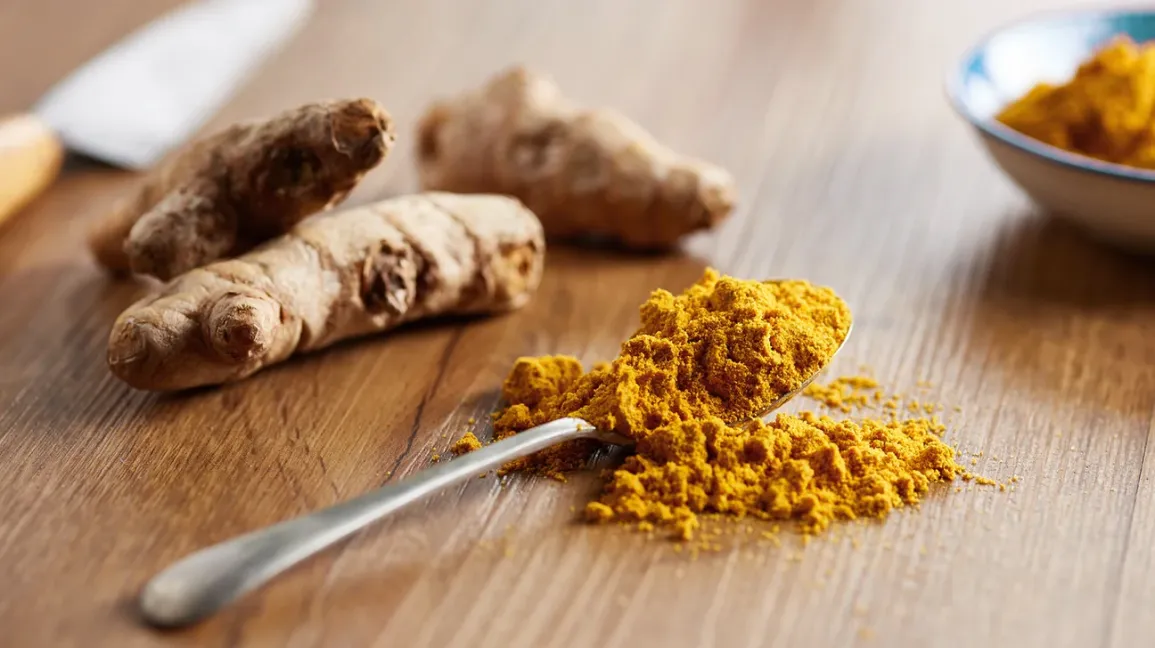
Ginger may help reduce inflammation and nausea. Ginger tea is commonly used during colds and flu.
Garlic
Garlic contains compounds that may help fight bacteria and support the immune system.
Turmeric
Turmeric has anti-inflammatory properties and may help reduce pain and swelling.
Steam Inhalation
Breathing steam can help clear blocked sinuses and reduce pressure in the nose and head.
While home remedies can help mild symptoms, serious infections should always be checked by a doctor.
Signs You Need Medical Attention
Some symptoms may show that the infection or pain is becoming dangerous. Seek medical help immediately if you notice:
- High fever
- Difficulty breathing
- Severe swelling
- Chest pain
- Confusion or dizziness
- Pus coming from wounds
- Pain lasting several days
- Blood in urine or stool
- Severe tooth swelling
Ignoring these warning signs can lead to complications.
Preventing Infections and Pain
Prevention is always better than treatment. Healthy habits can reduce the risk of illness and discomfort.
Wash Hands Regularly
Handwashing removes germs and helps stop infections from spreading.
Eat Healthy Foods
A balanced diet strengthens the immune system and supports healing.
Stay Hydrated
Water keeps the body functioning properly and helps fight illness.
Exercise Regularly
Physical activity improves blood circulation and supports overall health.
Get Enough Sleep
Good sleep allows the body to repair itself and maintain a strong immune system.
Keep Wounds Clean
Always clean cuts or injuries quickly to avoid infection.
Mental Health and Physical Pain
Stress and anxiety can sometimes make pain feel worse. Emotional health and physical health are connected. Relaxation techniques such as deep breathing, meditation, and spending time with family can improve recovery and comfort.
Staying positive during illness also helps the body heal more effectively.
Final Thoughts
Immediate treatment for infections and pain is important for protecting health and improving comfort. Simple actions like resting, staying hydrated, cleaning wounds, and using the right medicines can make a big difference.
While home remedies may help mild symptoms, serious infections and strong pain should never be ignored. Quick medical attention can prevent complications and lead to faster recovery.
Listening to the body, acting early, and following healthy habits are the best ways to stay safe and healthy.
Frequently Asked Questions (FAQs)
1. What is the fastest way to reduce infection pain?
The fastest way depends on the type of infection. Rest, hydration, proper medication, and pain relievers often help reduce symptoms quickly.
2. Can home remedies cure infections completely?
Home remedies may help mild infections and reduce discomfort, but serious infections usually require medical treatment.
3. When should I see a doctor for pain?
You should see a doctor if the pain is severe, lasts several days, or comes with fever, swelling, or breathing problems.
4. Are antibiotics safe for all infections?
No. Antibiotics only work for bacterial infections. They do not treat viral infections like the common cold or flu.
5. How can I prevent infections naturally?
Good hygiene, healthy eating, enough sleep, exercise, and drinking clean water can help prevent many infections naturally.
