
A straight and healthy smile has always been something people admire. In the past, traditional metal braces were the main option for correcting crooked teeth, gaps, and bite problems. While they are still widely used and effective, many people—especially adults and teenagers—prefer a more discreet option today. This is where invisible braces and orthodontic treatment come in.
Invisible braces have changed the way orthodontics works by offering a comfortable, less noticeable, and modern way to align teeth. In this article, we will explore what invisible braces are, how they work, their benefits, limitations, and what you can expect during treatment. Everything is explained in a simple and human-friendly way so it is easy to understand.
What Are Invisible Braces?
Invisible braces are orthodontic devices designed to straighten teeth without using traditional metal brackets and wires. Instead, they use clear, removable aligners or tooth-colored materials that are hard to notice when worn.
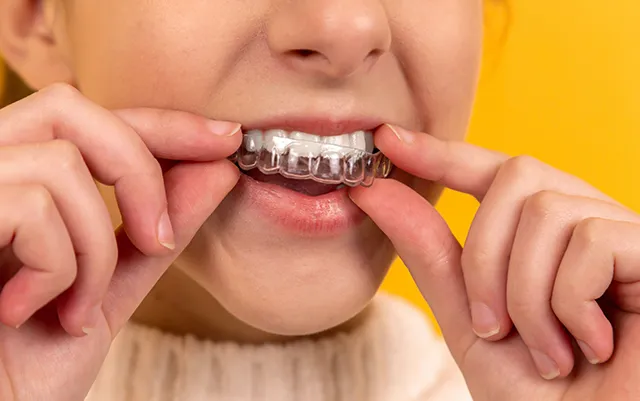
The most common type of invisible braces is clear aligners. These are custom-made plastic trays that fit over your teeth. They gradually move your teeth into the correct position by applying gentle pressure over time.
Some examples of invisible orthodontic systems include clear aligner therapy and ceramic braces. Ceramic braces work like metal braces but use tooth-colored or transparent brackets, making them less visible.
How Do Invisible Braces Work?
The process of invisible orthodontic treatment is based on gradual movement. It is carefully planned by a dentist or orthodontist.
Here is how it usually works:
- Consultation and Examination
The orthodontist checks your teeth, gums, and jaw. X-rays or digital scans may be taken to understand your dental structure. - Digital Smile Plan
A 3D model of your teeth is created using advanced software. This helps the orthodontist design a step-by-step plan for how your teeth will move. - Custom Aligners or Braces
Based on the plan, a series of clear aligners or ceramic braces are made specifically for your teeth. - Gradual Movement
Every 1–2 weeks, you switch to a new set of aligners. Each set moves your teeth slightly closer to the final position. - Regular Checkups
The orthodontist monitors your progress and makes adjustments if needed. - Final Result and Retainers
Once the treatment is complete, retainers are used to keep your teeth in place.
Why People Choose Invisible Braces
Invisible braces are becoming very popular around the world. There are many reasons for this.
1. Nearly Invisible Appearance
One of the biggest advantages is that they are hard to notice. This makes them ideal for adults who want a professional look while undergoing treatment.
2. Comfortable to Wear
Clear aligners are smooth and do not have sharp metal edges. This reduces irritation in the mouth.
3. Removable Option
Unlike traditional braces, aligners can be removed while eating, brushing, or attending special events.
4. Better Oral Hygiene
Because they are removable, it is easier to clean your teeth properly, reducing the risk of plaque buildup and cavities.
5. Fewer Food Restrictions
You can eat most foods since you remove the aligners before meals.
Types of Invisible Orthodontic Treatment
There are different options available depending on your dental needs.
1. Clear Aligners
These are the most popular type. They are transparent trays that gradually move teeth into place.
2. Ceramic Braces
These work like traditional braces but use tooth-colored brackets that blend with your teeth.
3. Lingual Braces
These are attached behind the teeth, making them completely hidden from the front view.
Each type has its own advantages, and the orthodontist decides which one is best for your condition.
Who Can Use Invisible Braces?
Invisible orthodontic treatment is suitable for many people, including:
- Teenagers with mild to moderate alignment issues
- Adults who want a discreet treatment option
- People with gaps between teeth
- Those with overcrowded teeth
- Patients with minor bite problems
However, in very complex dental cases, traditional braces may still be recommended for better control.
Benefits of Invisible Braces and Orthodontic Treatment
Invisible braces offer many long-term benefits beyond appearance.
Improved Confidence
A straight smile can boost self-esteem. Since aligners are not easily visible, people feel more confident during treatment.
Better Dental Health
Straight teeth are easier to clean. This reduces the risk of gum disease, cavities, and bad breath.
Customized Treatment
Each aligner is designed specifically for your mouth, making the treatment highly personalized.
Predictable Results
Modern technology allows orthodontists to show you a digital preview of your final smile before treatment even begins.
Possible Challenges
Even though invisible braces are popular, they are not perfect for everyone.
Discipline Required
Aligners must be worn for 20–22 hours per day. Removing them too often can slow down treatment.
Cost
Invisible orthodontic treatment can be more expensive than traditional braces in some cases.
Not for Severe Cases
Severe misalignment or jaw issues may still require metal braces or surgery.
Temporary Discomfort
When switching to a new set of aligners, mild pressure or discomfort may occur for a few days.
How Long Does Treatment Take?
The duration of invisible orthodontic treatment depends on the complexity of the case. On average:
- Mild cases: 3 to 6 months
- Moderate cases: 6 to 18 months
- Complex cases: up to 24 months or more
Consistency plays a big role in how fast results appear.
Caring for Invisible Braces
Taking care of aligners is very important for good results.
- Clean them daily with a soft brush and lukewarm water
- Avoid hot water as it can damage the plastic
- Brush your teeth before wearing aligners
- Store them in a protective case when not in use
- Avoid smoking or drinking colored beverages while wearing them
Good care ensures better hygiene and faster treatment progress.
The Future of Orthodontic Treatment
Orthodontics has become more advanced and patient-friendly over the years. With digital scanning, 3D printing, and artificial intelligence, treatments are becoming more accurate and faster.
Invisible braces represent the future of smile correction because they combine science, comfort, and aesthetics. As technology improves, we can expect even more comfortable and quicker solutions for teeth alignment.
Conclusion
Invisible braces and orthodontic treatment have completely changed the way people think about straightening teeth. They offer a modern, comfortable, and discreet solution compared to traditional metal braces. While they require discipline and may not be suitable for every case, their benefits make them an excellent choice for many people.
A confident smile is not just about appearance—it also reflects good oral health. With proper guidance from an orthodontist, invisible braces can help you achieve a healthy, well-aligned smile without affecting your daily life.
Frequently Asked Questions (FAQs)
1. Are invisible braces painful?
Invisible braces are not very painful, but you may feel mild pressure or discomfort for a few days when switching to a new aligner. This means your teeth are moving correctly.
2. Can I eat with invisible braces on?
No, you should remove clear aligners before eating or drinking anything except water. This helps prevent damage and keeps them clean.
3. How often should I wear aligners?
You should wear them for 20 to 22 hours a day for best results. Only remove them while eating or cleaning your teeth.
4. Are invisible braces faster than metal braces?
In some mild to moderate cases, invisible braces may work faster. However, treatment time depends on individual dental conditions.
5. Do invisible braces really work for everyone?
They work well for many people, but not all cases are suitable. Severe dental issues may still require traditional braces or other treatments recommended by an orthodontist.
Table of content
- 1. Nearly Invisible Appearance
- 2. Comfortable to Wear
- 3. Removable Option
- 4. Better Oral Hygiene
- 5. Fewer Food Restrictions
- 1. Clear Aligners
- 2. Ceramic Braces
- 3. Lingual Braces
- Improved Confidence
- Better Dental Health
- Customized Treatment
- Predictable Results
- Discipline Required
- Cost
- Not for Severe Cases
- Temporary Discomfort
- 1. Are invisible braces painful?
- 2. Can I eat with invisible braces on?
- 3. How often should I wear aligners?
- 4. Are invisible braces faster than metal braces?
- 5. Do invisible braces really work for everyone?