
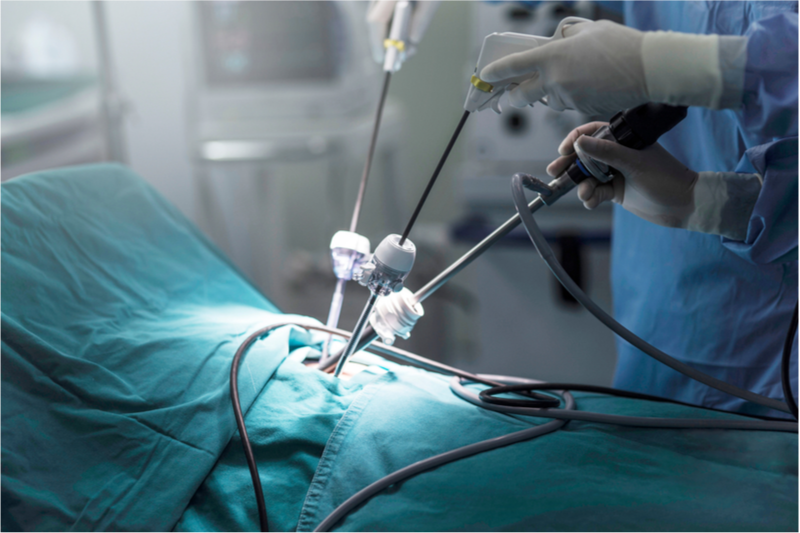
Minimally invasive gynecological surgery is a modern way of treating women’s health problems using very small cuts instead of large incisions. It is widely used today because it helps patients recover faster, feel less pain, and return to normal life sooner compared to traditional open surgery.
In simple words, it is a type of surgery for conditions related to the female reproductive system, done with special tools and cameras that allow doctors to operate through tiny openings in the body.
This article will explain what it is, why it is used, how it works, its benefits, risks, and what patients can expect before and after the procedure. Everything is written in a clear and easy way so anyone can understand it.
What Is Minimally Invasive Gynecological Surgery?
Minimally invasive gynecological surgery refers to surgical procedures performed on the female reproductive organs using small incisions, usually less than one centimeter. Instead of opening the abdomen with a large cut, doctors use special instruments and a camera called a laparoscope.
This camera sends real-time images to a screen, allowing the surgeon to see inside the body clearly while performing the operation with precision.
This type of surgery is commonly used for conditions affecting:
- Uterus
- Ovaries
- Fallopian tubes
- Cervix
It is now preferred in many hospitals because it reduces trauma to the body.
Common Types of Minimally Invasive Gynecological Surgery
There are several techniques used depending on the patient’s condition:
1. Laparoscopic Surgery
This is the most common type. Small cuts are made in the abdomen, and a camera along with thin instruments are inserted. It is used for removing cysts, fibroids, or treating endometriosis.
2. Hysteroscopic Surgery
In this method, a thin tube with a camera is inserted through the vagina and cervix into the uterus. No external cuts are needed. It is often used to remove polyps or diagnose uterine problems.
3. Robotic-Assisted Surgery
This is an advanced form of laparoscopic surgery where a surgeon controls robotic arms to perform very precise movements. It is helpful in complex cases.
Why Is This Surgery Performed?
Doctors recommend minimally invasive gynecological surgery for many health conditions, such as:
- Uterine fibroids (non-cancerous growths in the uterus)
- Ovarian cysts
- Endometriosis (tissue similar to uterine lining growing outside the uterus)
- Heavy menstrual bleeding
- Pelvic pain
- Removal of the uterus (hysterectomy) in some cases
- Fertility-related issues
The main goal is to treat the problem while reducing damage to healthy tissue.
How Does the Procedure Work?
Although the exact steps depend on the condition, the general process is similar:
- Anesthesia is given so the patient does not feel pain.
- Small incisions or natural openings are used depending on the surgery type.
- A camera is inserted to view the internal organs.
- Special surgical tools are used to perform the procedure.
- The surgeon carefully removes or repairs the affected tissue.
- Instruments are removed and small cuts are closed with stitches or tape.
The whole procedure may take 30 minutes to a few hours depending on complexity.
Benefits of Minimally Invasive Gynecological Surgery
This type of surgery has become popular for many good reasons:
1. Less Pain
Since the cuts are very small, patients usually experience less pain after surgery.
2. Faster Recovery
Most women can return to normal activities within a few days or weeks instead of months.
3. Small Scars
The incisions are tiny, so scars are barely visible or sometimes not noticeable at all.
4. Short Hospital Stay
Many patients go home the same day or after one night in the hospital.
5. Lower Risk of Infection
Smaller wounds mean a reduced chance of infection compared to open surgery.
6. Less Blood Loss
The precision of the tools helps reduce bleeding during surgery.
7. Better Accuracy
High-definition cameras help surgeons see details more clearly.
Possible Risks and Limitations
Even though it is safer than traditional surgery, it still has some risks:
- Bleeding
- Infection
- Reaction to anesthesia
- Injury to nearby organs (rare)
- Blood clots (in uncommon cases)
In some complex situations, the surgeon may need to switch to open surgery for safety.
Not all patients are suitable for minimally invasive procedures. The doctor decides based on medical condition, size of the problem, and patient health.
What to Expect Before Surgery
Before undergoing the procedure, patients usually go through:
- Medical tests like blood work or ultrasound
- Discussion about medical history
- Instructions to avoid eating or drinking before surgery
- Guidance about current medications
Doctors also explain the procedure and answer questions so the patient feels comfortable and informed.
Recovery After Surgery
Recovery is usually much easier compared to traditional surgery. Most patients experience:
- Mild pain or discomfort for a few days
- Light vaginal bleeding in some cases
- Tiredness for a short period
Doctors usually recommend:
- Rest for a few days
- Avoid heavy lifting
- Keep the surgical area clean
- Follow-up visits for checkups
Most women return to normal life quickly, sometimes within one to two weeks depending on the surgery type.
Emotional and Lifestyle Impact
Gynecological health problems can affect a woman emotionally as well as physically. Minimally invasive surgery often improves quality of life by:
- Reducing chronic pain
- Improving menstrual health
- Helping fertility in some cases
- Boosting confidence and comfort
Many women feel relieved after treatment because long-term symptoms are reduced or completely gone.
Future of Minimally Invasive Gynecological Surgery
Medical technology is improving rapidly. In the future, this type of surgery is expected to become even safer and more advanced. Robotic systems will become more precise, recovery times may become even shorter, and more conditions will be treated without open surgery.
Hospitals are already moving toward less invasive techniques because they benefit both patients and doctors.
Conclusion
Minimally invasive gynecological surgery is one of the most important advancements in modern women’s healthcare. It allows doctors to treat various reproductive health problems with less pain, smaller cuts, and faster recovery.
For many women, it means less fear of surgery and a quicker return to normal life. Although it is not suitable for every case, it has become the first choice for many gynecological treatments today.
If someone is facing a gynecological health issue, consulting a qualified doctor can help determine whether this type of surgery is the right option.
Frequently Asked Questions (FAQs)
1. Is minimally invasive gynecological surgery painful?
Most patients feel very little pain during the procedure because anesthesia is used. After surgery, there may be mild discomfort, but it is usually easier to manage than traditional surgery.
2. How long does recovery take?
Recovery depends on the type of surgery, but many women return to normal activities within 1–2 weeks. Some may recover even faster.
3. Will I have scars after surgery?
The scars are very small and often barely visible because the incisions are tiny compared to open surgery.
4. Is this surgery safe for fertility?
In many cases, yes. In fact, some procedures help improve fertility by treating conditions like fibroids or endometriosis. However, it depends on individual cases.
5. Who is not suitable for minimally invasive gynecological surgery?
Patients with very large tumors, severe internal complications, or certain medical conditions may not be suitable. A doctor will decide after proper evaluation.