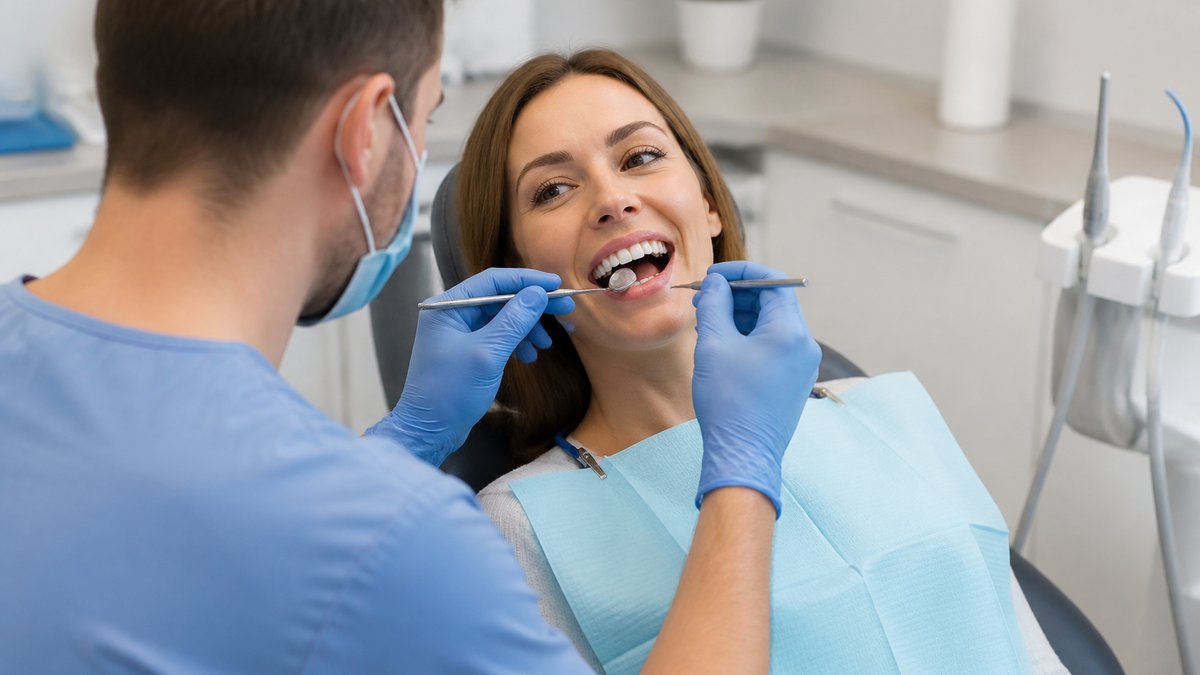

A broken tooth is a common dental injury that can occur in many circumstances. Broken teeth vary in severity. A minor chip affects only the outer enamel; a deeper fracture may reach the pulp, the inner tissue that contains nerves and blood vessels. Because the full extent of an injury is not always visible, a dental evaluation can help clarify the appropriate next steps.
When Should You Seek Care?
Any broken tooth warrants a dental evaluation, even when the damage appears minor. A painless chip can still weaken the tooth. Certain signs suggest that care should be sought as soon as possible. Persistent pain, particularly when biting or chewing, may indicate that a crack extends beyond the enamel. Lingering sensitivity to hot or cold temperatures, a large missing portion of the tooth, or a tooth that has shifted are also reasons to contact a dentist promptly. Bleeding from the tooth or gums and sharp edges that cut the tongue or cheeks also call for prompt attention. Fever, a persistent foul taste, or facial swelling are signs that point to an infection; these symptoms should be evaluated without delay.
What Should You Do?
The actions taken shortly after a tooth breaks can help protect the tooth and surrounding tissues until a dentist examines it. Over-the-counter pain relievers may be taken; these help relieve discomfort as you seek professional care. There are some steps that can be taken immediately before arriving at a dental practice, such as:
- Rinse the mouth gently with warm salt water.
- Apply light pressure with clean gauze to control bleeding.
- Hold a cold compress against the cheek to reduce swelling.
An individual may also cover sharp edges with sugarless gum or over-the-counter dental wax to protect the tongue and cheeks.
How Is a Broken Tooth Treated?
Treatment depends on the break’s location, the amount of tooth structure that remains, and whether the pulp has been affected. A dentist will typically examine the tooth, and they may take X-rays before recommending an approach. Minor chips can be addressed with dental bonding, in which a dentist applies tooth-colored resin, shapes it to match the natural tooth, and hardens it. Veneers may be bonded to the front of a tooth to cover chips or cracks.
When a larger portion of the tooth is broken or weakened, a crown can be recommended to cover its entire visible surface. A dentist or endodontist may perform root canal therapy if a fracture reaches the pulp. This procedure removes the affected tissue, and the provider cleans and seals the interior of the tooth. They then place a crown.
Some teeth cannot be restored. Extraction may be recommended in these situations, followed by a discussion of replacement options such as implants, bridges, or partial dentures. A dentist is able to explain the benefits and limitations of each approach, so you can make an informed decision.
Seek Prompt Emergency Dental Care
Prompt attention to a broken tooth allows a dentist to assess the damage, while a wider range of treatment options may still be available. Everyday chewing pressure can cause cracks to spread over time. Routine checkups also allow a dentist to notice small cracks, or they may identify worn fillings before they cause issues.