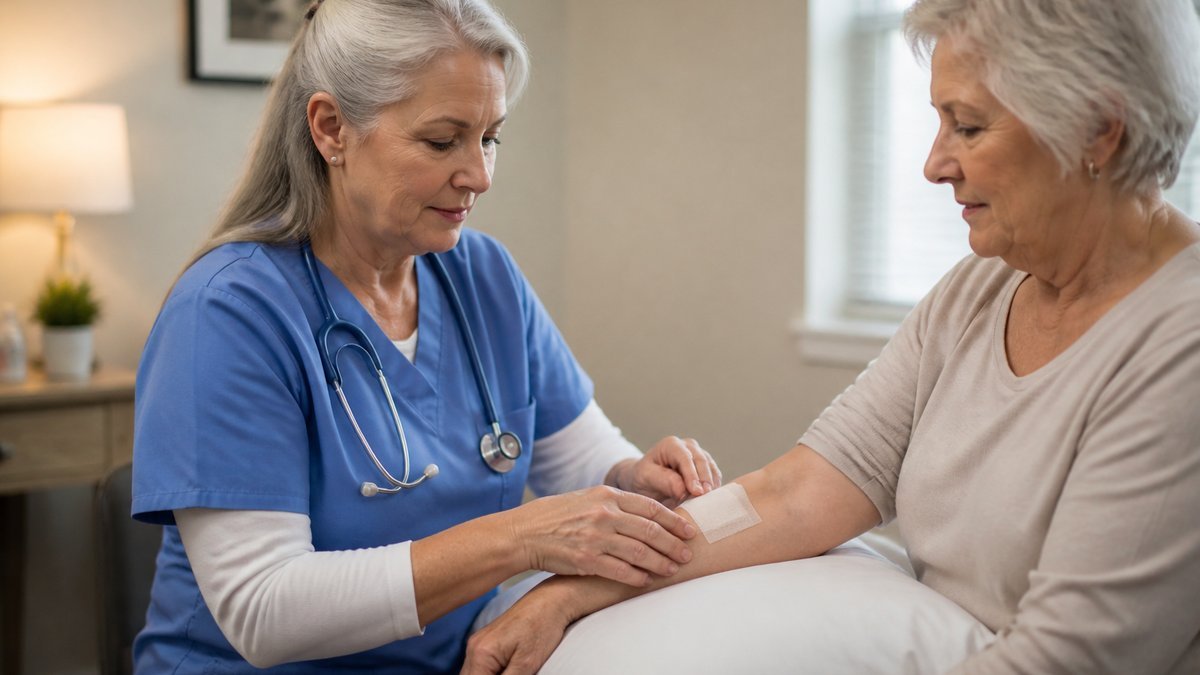
Foot, ankle, and lower leg wounds may develop complications when damaged skin fails to heal properly. Although minor cuts often heal naturally, diabetes and vascular disease are able to interfere with circulation and increase infection risks. Specialized wound care helps manage nonhealing injuries, promote tissue repair, and reduce the risk of further complications. Here are a few reasons to care for foot wounds:
1. Preventing Infection and Spread
Open wounds allow bacteria to enter damaged skin, increasing the risk of infection and complications involving surrounding tissues. When infections progress, they may spread into deeper tissues or bones, particularly in patients with underlying health conditions. Wound care providers clean affected areas and perform debridement to remove dead or infected tissue.
Some treatments also include topical or oral antibiotics when an infection requires medication. Providers use appropriate wound dressings to protect damaged tissue, manage moisture, and support the healing process. Because wound conditions vary, treatment plans depend on infection severity, tissue health, and individual medical needs. Regular wound evaluations help providers monitor healing and identify signs of infection or additional complications.
2. Reducing Risk of Amputation
Nonhealing wounds on the feet, ankles, or legs develop serious complications, including tissue damage, gangrene, and potential amputation. Patients with diabetes or vascular disease face increased risks because poor circulation is able to interfere with wound healing. Although standard care supports many injuries, advanced treatments may be necessary for wounds that do not heal properly. Treatment options include negative pressure wound therapy, skin grafting, flap reconstruction, and surgical stabilization when appropriate. Wound care specialists evaluate tissue damage, circulation, and infection risks to determine suitable treatments that support healing and limb preservation.
3. Managing Diabetes Complications
Diabetes may affect circulation and nerve function, increasing the risk of foot ulcers and delayed wound healing. Because reduced sensation may make injuries difficult to detect, patients with diabetes benefit from regular foot examinations and prompt wound care. Common treatment approaches include:
- Cleaning affected wounds to remove debris and reduce infection risks
- Applying specialized dressings to protect damaged tissue and support healing
- Using prescribed medications to treat infections when necessary
- Managing blood sugar levels to support the body’s healing processes
- Following nutritional guidance to support tissue repair and overall health
- Wearing customized orthotics to reduce pressure on affected areas
- Using specialized casts to relieve pressure and protect healing wounds
Wound care specialists evaluate circulation, tissue health, and wound severity to develop personalized treatment plans. Regular monitoring helps identify complications and guide adjustments throughout the healing process.
4. Addressing Vascular Disease
Vascular diseases may contribute to foot and lower leg ulcers by affecting circulation and tissue health. Chronic venous insufficiency (CVI) occurs when veins struggle to return blood toward the heart, increasing pressure in the legs. This pressure is able to cause swelling, skin changes, and venous ulcers.
Peripheral artery disease (PAD) develops when narrowed arteries reduce blood flow to the legs and feet. Because affected tissues receive less oxygen, wounds may heal slowly or develop into arterial ulcers. These conditions require different treatment approaches based on the underlying circulation problems.
Treatment for venous ulcers may include compression therapy and specialized wound dressings to manage swelling and support healing. Patients with arterial ulcers sometimes require procedures that improve blood flow before wounds can heal effectively. Wound care specialists evaluate circulation and tissue damage to recommend appropriate treatments.
5. Supporting Faster Healing
Advanced wound care treatments support tissue repair when wounds do not respond to standard treatment approaches. Platelet-rich plasma (PRP) therapy and certain regenerative treatments use biological components that are able to promote healing, although effectiveness varies. Laser therapy is another option that providers may use to support tissue recovery in selected cases. Specialized wound dressings maintain a moist, protected environment that supports new tissue formation and wound closure. When combined with debridement and infection management, these treatments help improve healing outcomes for patients with chronic wounds.
Schedule a Wound Care Visit
Wounds that show little improvement after several weeks require professional evaluation to identify underlying healing problems. Patients with diabetes or vascular disease face additional risks, and even minor foot injuries may develop complications. Because delayed healing increases the risk of infection and tissue damage, prompt wound care helps address potential concerns. Schedule a wound care appointment today to evaluate your injury and explore treatment options that support healing.