Skin pigmentation is one of the most common skin concerns affecting people of all ages and skin types. It appears as dark spots, uneven skin tone, melasma patches, sunspots, freckles, or post-acne marks. While it is usually harmless, it can deeply affect confidence and self-esteem. This is where an advanced skin pigmentation treatment clinic plays an important role. These clinics specialize in diagnosing and treating pigmentation problems using modern dermatological technology and personalized care plans.
In this article, we will explore what these clinics do, how pigmentation develops, the most effective treatments available today, and what you can expect from a professional pigmentation clinic. The goal is to help you understand your options in simple, clear language so you can make informed decisions about your skin health.
What is Skin Pigmentation?
Skin pigmentation refers to the color of your skin, which is mainly determined by a pigment called melanin. Melanin is produced by cells known as melanocytes. When these cells become overactive or damaged, they produce too much melanin in certain areas of the skin. This leads to dark patches or uneven skin tone.
Common types of pigmentation include:
- Melasma – brown or gray-brown patches, often caused by hormones or pregnancy
- Sunspots (age spots) – caused by long-term sun exposure
- Post-inflammatory hyperpigmentation (PIH) – dark marks left after acne or injury
- Freckles – small brown spots that may become darker with sun exposure
Understanding the type of pigmentation is very important before starting any treatment, which is why clinics begin with a detailed skin analysis.
What is an Advanced Skin Pigmentation Treatment Clinic?
An advanced skin pigmentation treatment clinic is a specialized dermatology or aesthetic center that focuses on diagnosing and treating pigmentation disorders using modern medical technologies.
Unlike regular beauty salons or basic skincare centers, these clinics use:
- Medical-grade diagnostic tools
- Dermatologist-supervised treatment plans
- Advanced laser systems
- Chemical peeling techniques
- Customized skincare regimens
The main goal is not just to lighten dark spots temporarily, but to treat the root cause of pigmentation and prevent it from returning.
How Pigmentation Develops in the Skin
Pigmentation can be triggered by many internal and external factors. Some of the most common causes include:
1. Sun Exposure
Ultraviolet (UV) rays stimulate melanin production, leading to sunspots and uneven skin tone.
2. Hormonal Changes
Pregnancy, birth control pills, or hormonal imbalance can cause melasma.
3. Acne and Skin Injury
When the skin heals from acne or cuts, it may leave behind dark marks.
4. Genetics
Some people are more prone to pigmentation due to family history.
5. Aging
As skin ages, pigment distribution becomes uneven, resulting in age spots.
An advanced clinic carefully identifies which factor is responsible before designing a treatment plan.
Common Treatments Used in Advanced Pigmentation Clinics
Modern pigmentation clinics offer a wide range of treatments. These are often combined for the best results.
1. Laser Therapy
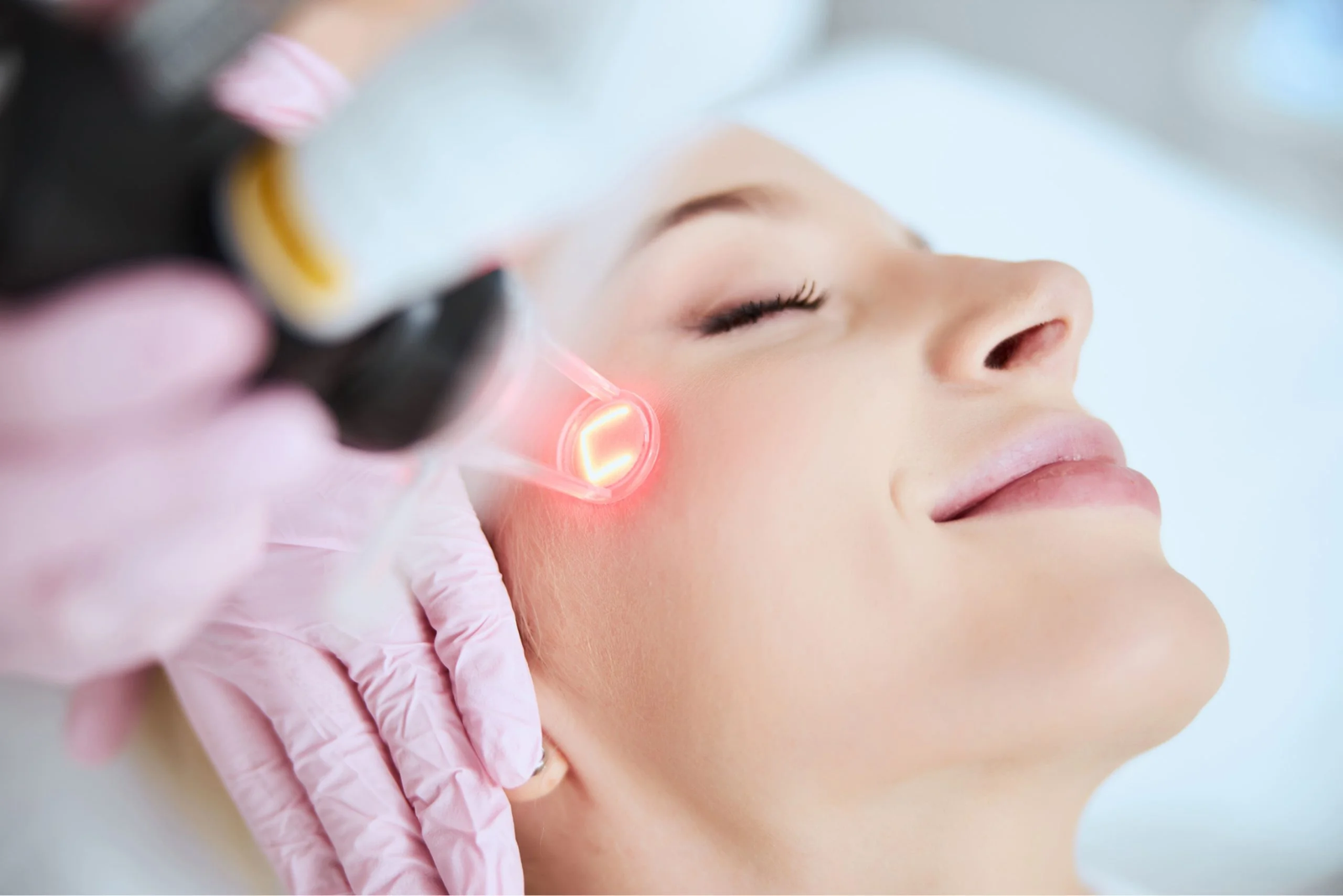
Laser treatment is one of the most effective methods for pigmentation. It works by targeting melanin deposits in the skin and breaking them down.
Benefits:
- Reduces dark spots quickly
- Improves overall skin tone
- Stimulates collagen production
2. Chemical Peels
Chemical peels use special acids to remove the top layer of damaged skin. This helps new, clearer skin to regenerate.
Benefits:
- Brightens skin tone
- Reduces mild pigmentation
- Improves skin texture
3. Microneedling
This treatment uses tiny needles to create micro-injuries in the skin, encouraging natural healing and reducing pigmentation over time.
Benefits:
- Improves acne scars
- Enhances skin regeneration
- Boosts absorption of skincare products
4. Topical Medical Creams
Doctors often prescribe creams containing ingredients like hydroquinone, retinoids, vitamin C, or kojic acid.
Benefits:
- Lightens pigmentation gradually
- Safe for long-term maintenance
- Easy to use at home
5. HydraFacial and Skin Brightening Therapy
These treatments deeply cleanse the skin, remove dead cells, and hydrate the skin for a glowing appearance.
Benefits:
- Instant glow
- Improves skin hydration
- Helps maintain results of other treatments
What Makes Advanced Clinics Different?
An advanced skin pigmentation treatment clinic is not just about equipment—it’s about expertise and customization. Here’s what sets them apart:
Personalized Treatment Plans
Every skin type is different. Clinics create customized plans based on your skin condition, tone, and sensitivity.
Medical Supervision
Treatments are performed or supervised by trained dermatologists to ensure safety and effectiveness.
Advanced Technology
They use FDA-approved lasers and modern devices that target pigmentation precisely without damaging surrounding skin.
Long-Term Results
Instead of temporary fixes, these clinics focus on long-lasting improvement and prevention of recurrence.
What to Expect During Your Visit
If you visit an advanced pigmentation clinic, the process usually includes:
- Skin Analysis – A detailed examination of your skin type and pigmentation level
- Consultation – Discussion of your medical history and concerns
- Treatment Plan – A combination of therapies tailored to your skin
- Treatment Sessions – Scheduled procedures over weeks or months
- Aftercare Guidance – Skincare routine and sun protection advice
Consistency is very important because pigmentation does not disappear overnight.
Importance of Aftercare
Even the best treatment will not work properly without proper aftercare. Clinics usually recommend:
- Daily use of sunscreen (SPF 30 or higher)
- Avoiding direct sun exposure
- Using gentle skincare products
- Staying hydrated
- Following prescribed creams regularly
Aftercare helps maintain results and prevents pigmentation from returning.
Who Should Visit a Pigmentation Clinic?
You should consider visiting a clinic if you have:
- Dark patches that do not fade
- Uneven skin tone
- Acne marks that persist
- Melasma or sun damage
- Skin discoloration affecting confidence
Early treatment usually gives better and faster results.
Final Thoughts
An advanced skin pigmentation treatment clinic offers more than just cosmetic improvement—it provides scientifically backed solutions for one of the most common skin concerns in the world. With the help of modern lasers, chemical treatments, and expert dermatological care, pigmentation can be significantly reduced and managed effectively.
However, patience and consistency are key. Skin healing takes time, and results vary from person to person. With the right clinic, proper diagnosis, and good aftercare, achieving clear and glowing skin is absolutely possible.
Frequently Asked Questions (FAQs)
1. How long does pigmentation treatment take to show results?
Results depend on the type and depth of pigmentation. Some people notice improvement in 2–3 weeks, while deeper pigmentation may take a few months.
2. Is pigmentation treatment painful?
Most treatments like lasers or chemical peels cause mild discomfort but are generally well tolerated. Clinics use cooling techniques to reduce pain.
3. Can pigmentation come back after treatment?
Yes, it can return if you do not protect your skin from the sun or follow proper skincare routines. Maintenance is very important.
4. Are pigmentation treatments safe for all skin types?
Yes, advanced clinics customize treatments based on skin type, making them safe for most people when done by professionals.
5. What is the most effective treatment for pigmentation?
There is no single best treatment. A combination of laser therapy, peels, and skincare usually gives the best and long-lasting results.