
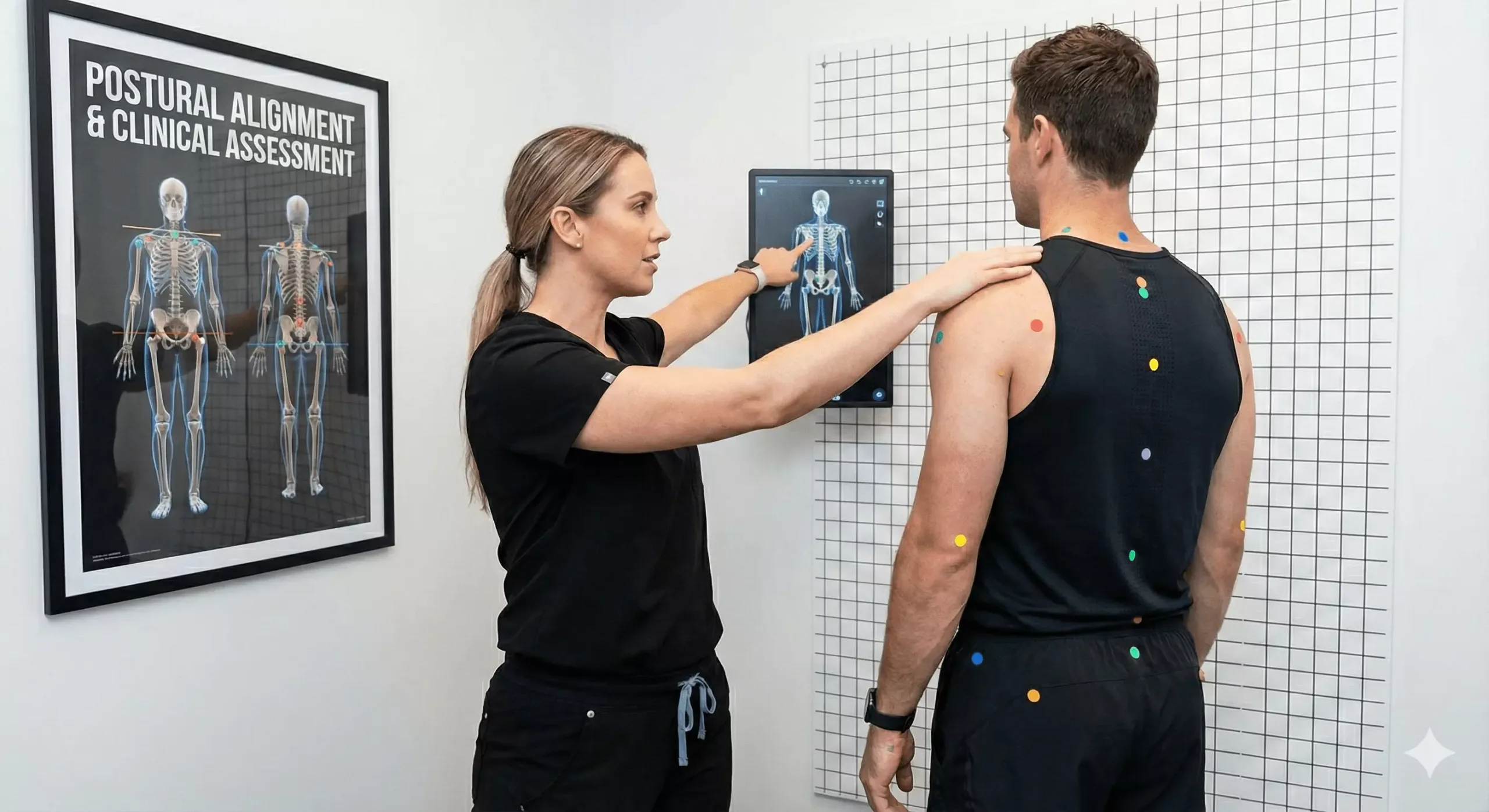
A spine doctor helps you treat posture and alignment issues, such as back pain and curving. These issues usually stem from poor posture at work and during exercise; trapped nerves and degenerative wear also cause spinal conditions. Early treatment increases the chances of successful correction and a smoother recovery. Here are a few ways a spine specialist may help with posture and alignment issues:
Comprehensive Evaluation
Treating posture and alignment issues, such as pain, curving, and stiffness, often begins with a comprehensive evaluation. A specialist assesses your posture and movement, and asks questions about symptoms and current medications or therapies. The spine doctor also reviews your medical history to help identify previous injuries or conditions that may affect spinal alignment. Evaluations usually include:
- Physical exam to check your reflexes, joint mobility, muscle strength, and how you walk or stand
- Postural analysis to assess your alignment and spot uneven shoulders or pelvic tilt
- Imaging studies, such as X-rays or MRI scans, to examine the spine for structural deformities or disc damage
- Blood work or other necessary additional tests
Custom Treatments
Evaluations help the doctor identify potential causes of your posture and alignment concerns. Results may reveal conditions, such as scoliosis, herniated discs, spinal stenosis, or degenerative changes that affect how you move. The doctor discusses findings with you and suggests treatment options that fit your needs. Less invasive treatments are often prioritized before looking into surgical correction; this includes epidural injections and platelet-rich plasma therapy.
Epidural steroid injections help manage pain and inflammation; doctors inject the medication directly into the source of your symptoms. This approach relieves irritated spinal nerves and helps restore comfort to support proper movement. Platelet-rich plasma therapy uses concentrated platelets from your own blood. These platelets contain substances that may support the body’s natural healing and regeneration processes.
Physical Therapy
Targeted exercises loosen tight areas and strengthen weak postural muscles. Your doctor creates exercises to target muscles that support the spine and surrounding joints, helping you develop better body control and balance during everyday movements. The program may include stretching, mobility exercises, and posture training. Physical therapy helps restore range of motion and proper alignment for better movement.
Lifestyle Adjustment
Daily habits influence how your spine functions. Standing or sitting too long, lifting heavy weights, and poor posture at work can put extra pressure on your back and neck. A spine specialist will assess your daily routines and determine necessary adjustments that reduce repeated strain and support healthier movement.
Professionals may recommend ergonomic advice to safely modify your workspace, lifting habits, and daily movements. Doctors also suggest taking regular breaks from prolonged sitting and adjusting your workstation for better positioning. Lifestyle adjustments are often complementary and part of holistic treatment featuring epidural injections and physical therapy. They help you avoid things that contribute to the problem and adopt habits that support better spinal health.
Talk to a Spine Doctor Today
A diagnosis of posture or alignment issues calls for immediate treatment. These issues are usually related to spinal conditions and may involve degeneration or require ongoing, lifetime management. Whether it’s a distressed nerve, joint, or muscle, early evaluation helps you start necessary treatment and increases your chances of full recovery. Speak to a spine doctor today to get your posture issue diagnosed.