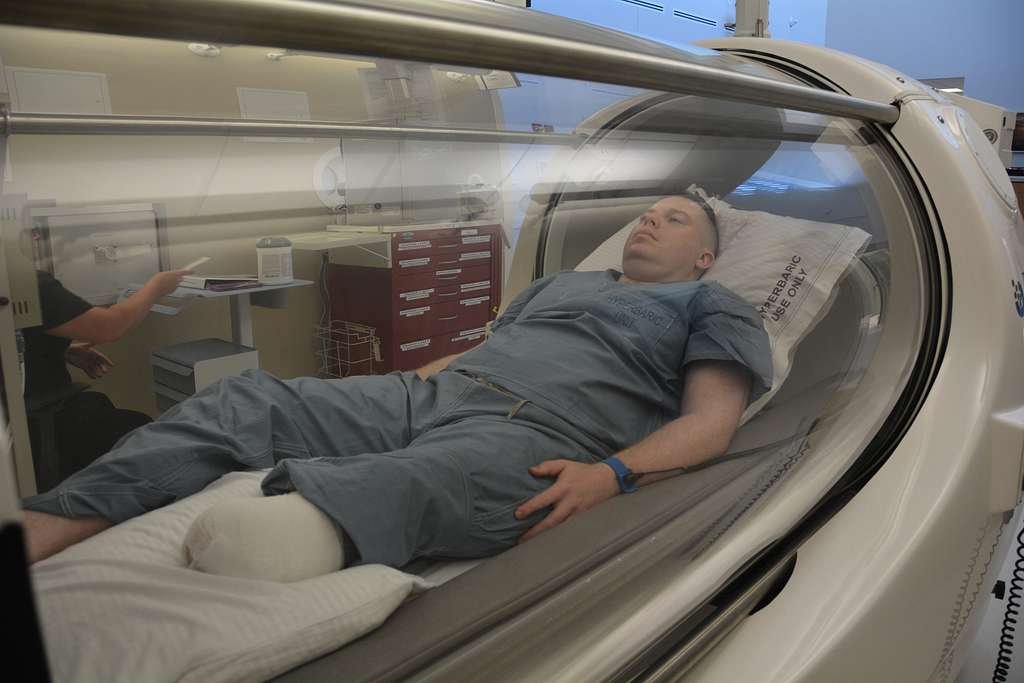
Hyperbaric oxygen therapy, or HBOT, delivers pure oxygen inside a pressurized chamber. Some people with autism ask about HBOT, but the research on it is still developing. Your provider explains how hyperbaric oxygen therapy for autism works and what studies have examined. You can use this information to prepare questions, and your doctor will help you decide.
Sessions and What to Expect
During HBOT, you lie or sit inside a chamber. In some chambers, you breathe oxygen through a mask, and in others the whole chamber fills with oxygen. The higher pressure lets your blood carry more oxygen to your tissues. Sessions usually last 60 to 90 minutes. When the pressure rises, your ears may feel full, and staff can show you how to clear them. For individuals with autism, the structured nature of HBOT sessions can be both a benefit and a challenge. Each hyperbaric oxygen therapy for autism session follows the same steps, and that consistency may help you feel more comfortable.
Some people with autism find the enclosed space difficult at first, but staff can walk you through each part of the process before it begins. You can also bring a comfort item or listen to audio during a session. The pressurized environment itself does not cause pain, though some people have a sensation of fullness in their ears as pressure builds. Staff are trained to adjust the pace if you need more time. Knowing what to expect at each stage gives you more control over your experience.
Research on HBOT and Autism
Researchers have studied HBOT for autism for about two decades. One theory suggests extra oxygen reduces inflammation, or it may improve blood flow in the brain. Scientists have not confirmed this theory in people with autism. Many studies were small, and their methods differed, making results hard to compare. Some researchers focused on specific areas, such as repetitive behaviors, social interaction, and attention. For individuals with autism, this means the evidence is not yet strong enough to fully predict how HBOT might affect you specifically.
Safety Risks and Precautions
HBOT carries risks like any medical treatment, and knowing what to expect can help you feel prepared.
Side Effects Worth Monitoring
If you have a seizure disorder, the team needs to know. They will review your history. Common side effects include ear pressure and sinus discomfort, and some people feel tired after sessions. Rare risks include ear injury, temporary vision changes, and seizures from oxygen toxicity. Lung conditions and recent ear problems also need a medical review before treatment. You can stop a session at any time, and staff will lower the pressure slowly.
Center Selection and Safety
The setting matters as much as the treatment. For individuals with autism, this oversight matters because your sensory profile, communication style, and health history all affect treatment delivery. A qualified team will take time to understand your needs before your first session begins, and they will check in with you throughout the process.
Book Hyperbaric Oxygen Therapy For Autism
Your doctor knows your health history. You can bring your questions to your next appointment, and your doctor will compare HBOT with other options. Write down what you want to learn, such as session length, costs, and possible side effects. If you decide to move forward, a medical HBOT center may explain the process, and you will set goals together. Schedule a consultation with a qualified medical HBOT center to review whether this treatment matches your needs.