
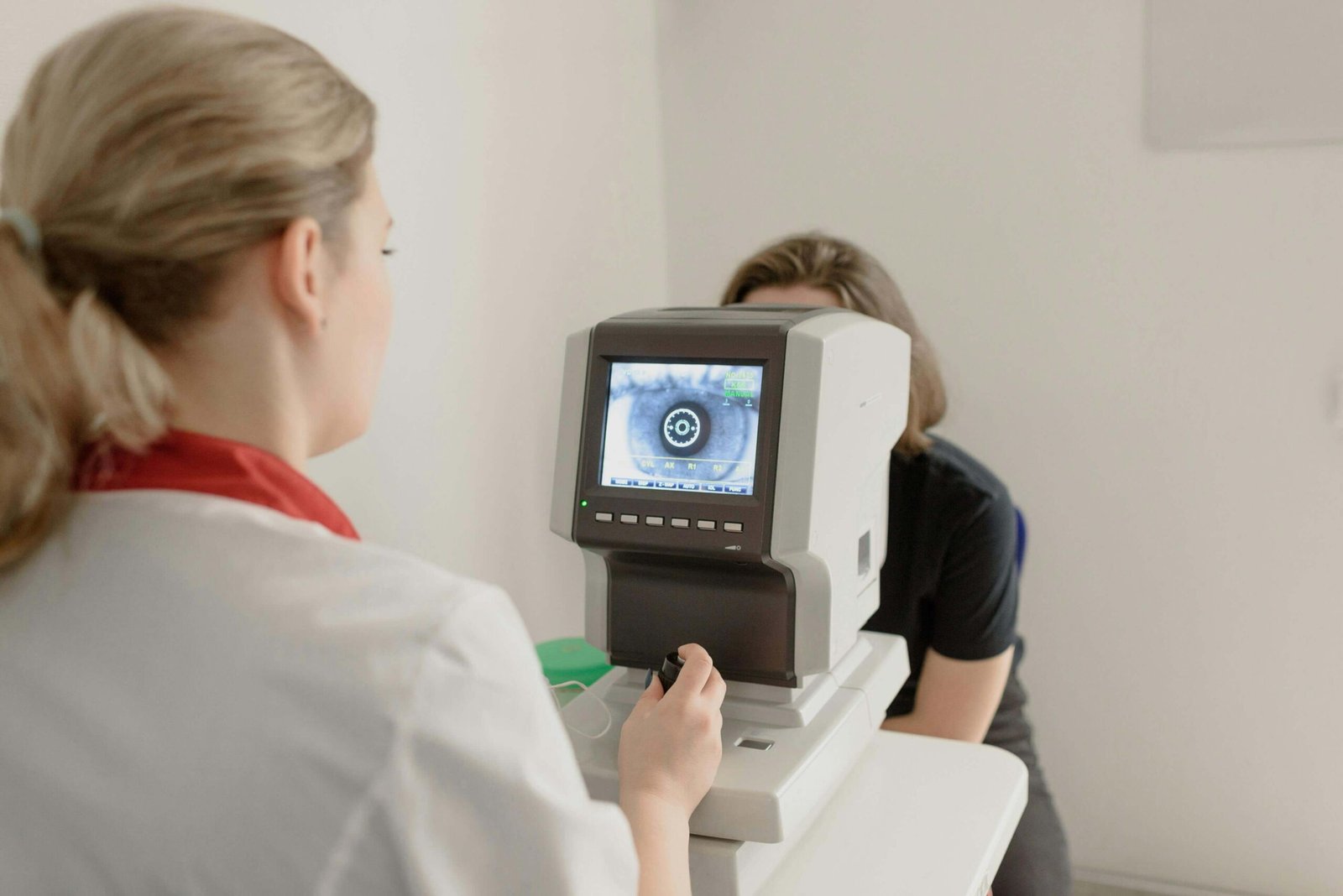
Retina specialists diagnose and treat conditions affecting the back of the eye; these conditions include diabetic retinopathy, macular degeneration, and retinal detachment. Treatment options range from pneumatic retinopexy and vitrectomy surgery to scleral buckle procedures and targeted eye injections. The right choice depends on the condition and its severity. Recent advances in laser therapy allow more precise, less invasive care because newer systems target smaller areas of tissue. Here is more information on advances in retina specialist treatment:
What Do Retina Specialists Do?
A retina specialist is an ophthalmologist who completes additional training focused on diseases of the retina, macula, and vitreous. Their work centers on diagnosing conditions such as diabetic retinopathy, age-related macular degeneration, retinal tears, and retinal detachment, and they also manage the long-term monitoring of these conditions. Patients may be referred when they report sudden flashes of light or a curtain-like shadow across their vision. These symptoms may indicate a serious retinal problem, so prompt evaluation is recommended.
What Treatments Do They Offer?
These specialists draw from a range of procedures depending on the diagnosis. Each treatment addresses a distinct structural or vascular problem within the eye, and the choice between them depends on factors like the location and size of the retinal issue. Treatments include:
- Pneumatic retinopexy
- Vitrectomy surgery
- Scleral buckle
- Eye injections
What Are the Recent Advances?
Laser therapy offers advances for retina specialist patients; modern systems give specialists more precise tools to treat retinal tears, diabetic retinopathy, and certain vascular conditions. They target damaged tissue with minimal impact on surrounding healthy cells. Because this precision limits collateral damage, recovery time may be shorter and complications less likely.
Focal laser therapy and scatter laser therapy are two approaches, and each addresses different retinal conditions. Focal laser therapy applies small, precisely targeted laser burns to specific leaking blood vessels in the macula. It is used to treat diabetic macular edema because sealing these vessels reduces fluid buildup and helps stabilize vision.
Scatter laser therapy applies hundreds of laser spots across the peripheral retina. This treatment is typically used for proliferative diabetic retinopathy, since it limits the retina’s oxygen demand and reduces the growth of abnormal blood vessels. Focal laser therapy treats a localized area, but scatter laser therapy treats a wider region of the retina. A specialist determines the appropriate method based on the location and extent of the damage.
How Is Specialized Treatment Beneficial?
Working with a retina specialist gives patients access to focused expertise that general ophthalmologists may not provide for complex retinal conditions. Specialists use advanced imaging and treatment technology daily, and this routine use sharpens their ability to detect subtle changes early. Early detection matters. Some retinal conditions progress silently before vision loss becomes noticeable. Identifying changes early allows treatment to begin while the retina can still be preserved.
Specialized treatment also means a care plan built around the specific diagnosis, not a generalized approach. A patient with diabetic retinopathy needs different monitoring and intervention than someone recovering from a retinal tear. The two conditions affect the retina differently, and each requires its own follow-up schedule. This tailored approach supports better long-term outcomes. When patients receive targeted care instead of delayed or generalized treatment, vision can be preserved more effectively.
Consult a Specialist Today
Retina specialists bring focused training and advanced treatment options to patients facing conditions that threaten their vision; these treatments continue to improve in precision and recovery time. If you’ve noticed changes in your vision, schedule a consultation. Contact a retina specialist near you and ask which treatment option fits your diagnosis.