In vitro fertilization (IVF) combines eggs and sperm in a laboratory; a doctor transfers the resulting embryo into the uterus, and the patient then waits for a pregnancy test. Since each cycle requires time, money, and energy, many patients prepare their bodies months before treatment begins. Doctors call this preparation preconception health. Here is more information about this step:
Optimized Nutrition
Egg and sperm cells develop over several months, so your diet during that window matters. Fertility specialists may recommend a Mediterranean-style eating pattern, which emphasizes vegetables, legumes, whole grains, fish, and olive oil. Ask your doctor about these specific nutrients:
- Folic acid: Starting at least one month before treatment
- Vitamin D: a blood test shows whether you need a supplement
- Omega-3 fatty acids: found in salmon, sardines, and walnuts
- Iron: found in lean meat, beans, and leafy greens
If you take supplements before IVF treatment, bring the labels to your next appointment. Some products contain high doses of vitamin A or herbal ingredients. Your doctor reviews each product, and you adjust your routine based on that advice.
Managed Risks
Chronic health conditions affect fertility treatment in several ways. When diabetes or thyroid disease goes untreated, hormone levels may shift and disrupt ovulation. High blood sugar increases risk, and thyroid imbalances may affect embryo implantation. Polycystic ovary syndrome (PCOS) and high blood pressure need similar attention.
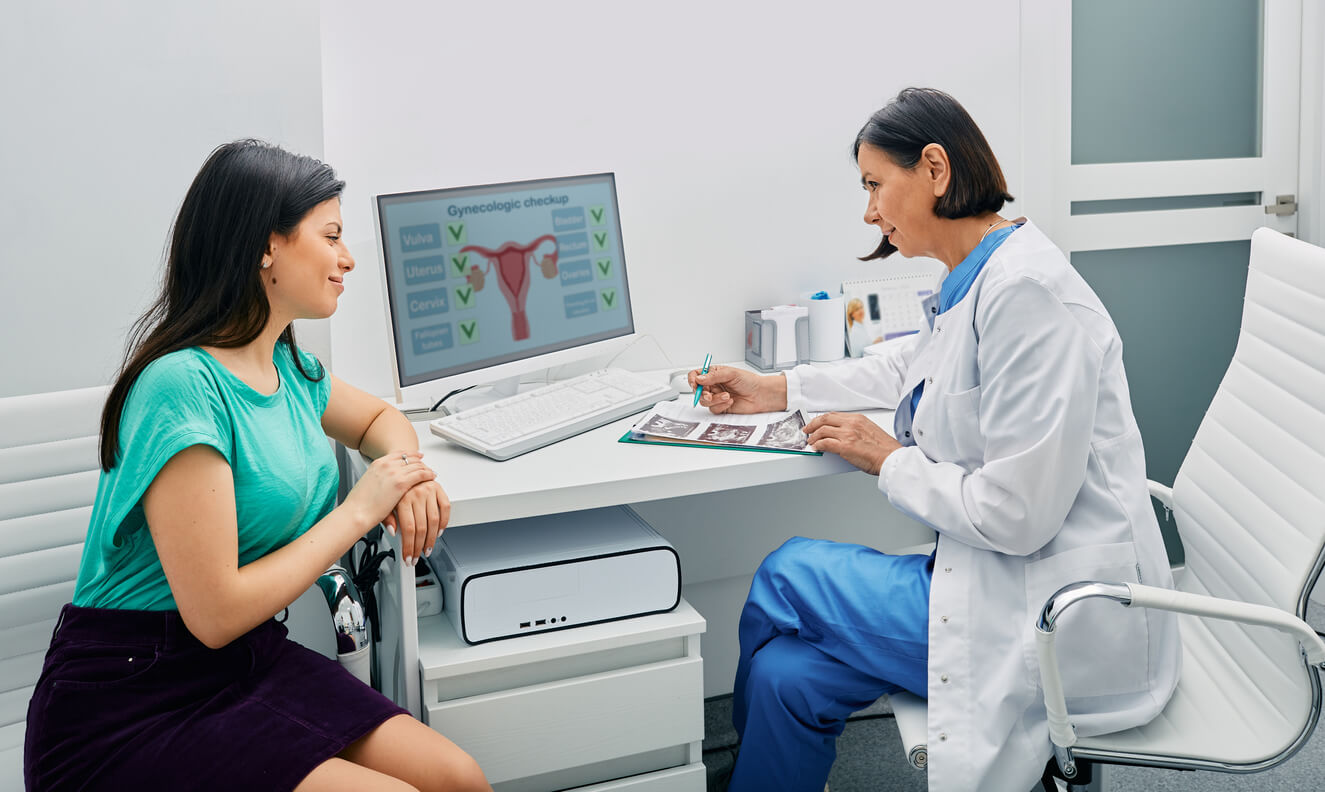
Before your first IVF cycle, your clinic will likely order blood work that checks hormone, glucose, and thyroid levels. Some patients also need screening for infectious diseases, and others need genetic carrier testing. Bring a full list of your current medications to this visit.
Certain prescriptions affect egg quality or pregnancy, so your doctor may adjust doses or switch drugs. Never stop a medication without medical guidance. Stable blood pressure, blood sugar, and thyroid function give your care team a clearer starting point when treatment begins.
Controlled Weight
Body weight may influence hormone production, which affects how the ovaries respond to stimulation medications. Excess weight alters egg quality, and very low weight may stop ovulation altogether. Both extremes might reduce IVF pregnancy rates.
Some clinics set body mass index (BMI) limits for treatment. Losing a small percent of body weight helps improve ovulation, and it may lower pregnancy complications. If you plan to lose weight, aim for one to two pounds weekly through balanced meals and regular activity. Crash diets typically disrupt your cycle and nutrient levels.
Eliminated Smoking and Alcohol
Smoking damages eggs and sperm, and it may age the ovaries faster. Research links smoking to lower IVF pregnancy rates because tobacco toxins affect reproductive cells. Alcohol also affects hormone levels in both partners. Your doctor can suggest nicotine replacement or counseling if you find quitting difficult. Most fertility specialists recommend these steps for both partners:
- Quit smoking at least three months before treatment
- Avoid vaping and secondhand smoke
- Stop drinking alcohol during IVF preparation and treatment
- Limit caffeine intake each day
Find IVF Treatment Near You
When you feel ready to begin, a fertility specialist reviews your health history and test results. Each clinic follows its own protocols, so ask about consultation steps and testing. Search for board-certified reproductive endocrinologists in your area. Bring your questions and medication list to the first appointment.