
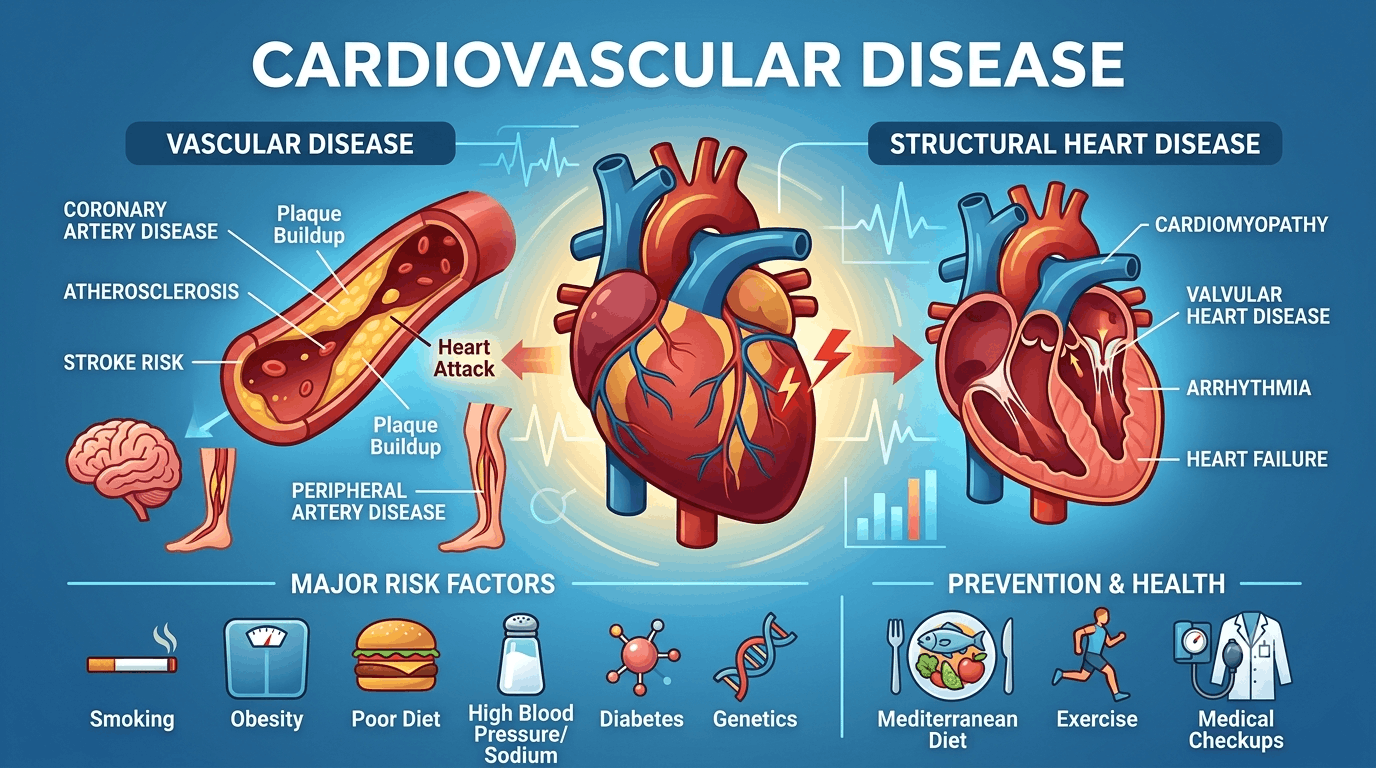
The human heart beats approximately 100,000 times a day, pumping blood through an intricate network of vessels spanning thousands of miles. This remarkable engine keeps us alive every single minute. Yet, when this network breaks down, it can trigger some of the most life-threatening conditions known to medicine.
Understanding cardiovascular disease meaning is the first crucial step toward taking control of your health or writing authoritatively on the subject. It is not just a single condition, but rather an umbrella term that describes a vast spectrum of heart and cardiovascular diseases affecting the structures or functions of both the heart and blood vessels.
Despite medical advancements, cardiovascular disease in the US and around the world remains a leading cause of mortality. In this deep dive, we will unpack what causes cardiovascular disease, look at its many categories, explore its distinct presentations across different demographics, and lay out actionable, evidence-based paths to prevention and recovery.
Defining Cardiovascular Disease and the Human Vascular Network
To answer the fundamental question—what is cardiovascular disease—we must look at the literal cardiovascular disease definition. Broadly stated, it encompasses any medical issue that damages the heart muscle, its valves, or the blood vessels traveling throughout the body. The word itself comes from “cardio” (meaning heart) and “vascular” (meaning blood vessels).
When medical experts discuss disease cardiovascular entities, they are referring to a systemic issue. The cardiovascular system does not operate in a vacuum; it is linked closely to every organ. Thus, any breakdown in this central transport system directly threatens tissues from head to toe.
The Core Spectrum of Cardiovascular System Diseases
When looking at the broad spectrum of cardiovascular system diseases, it helps to understand that the system can fail in multiple ways. The heart can suffer from plumbing issues (blocked arteries), electrical issues (faulty rhythms), or structural issues (weakened muscles or failing valves).
Medical professionals classify these malfunctions into a highly detailed cardiovascular system diseases list. By understanding the distinct items on this list of cardiovascular diseases, patients and healthcare providers can better tailor diagnostics and targeted interventions.
Exploring the Major Categories of Cardiovascular Illness
To organize this complex area of medicine, physicians divide heart illnesses into distinct cardiovascular disease categories. These categories separate structural issues from plumbing blockages and electrical faults.
The most prominent groups include ischemic conditions (caused by restricted blood flow), hypertensive conditions (driven by high pressures), valvular disorders, and electrical rhythm disruptions. Categorizing these diseases ensures that a patient with an electrical rhythm issue is not mistakenly treated primarily for a plumbing blockage, and vice versa.
The Pathophysiology of Atherosclerotic Cardiovascular Disease
At the center of most clinical heart issues sits atherosclerotic cardiovascular disease (ASCVD). This specific process serves as the underlying driver for heart attacks, strokes, and peripheral arterial issues.
Understanding atherosclerosis cardiovascular disease requires looking at the delicate inner lining of your arteries, known as the endothelium. When this lining is damaged by toxins, high blood pressure, or elevated cholesterol, the body initiates an inflammatory response. This response sets the stage for chronic plaque buildup that can eventually choke off vital blood flow.
Understanding Arteriosclerotic Cardiovascular Disease vs Atherosclerosis
While people frequently swap the terms arteriosclerotic cardiovascular disease and atherosclerosis cardiovascular disease, they are technically distinct concepts in pathology.
Arteriosclerosis is a broad, generic term indicating the hardening and loss of elasticity in the arterial walls—often occurring naturally as a byproduct of aging. Atherosclerosis, on the other hand, is a specific subtype of arteriosclerosis. It involves the literal accumulation of fatty plaques, cholesterol, and cellular waste products inside the arterial lumen. Essentially, all atherosclerosis is a form of arteriosclerosis, but not all arteriosclerosis is caused by fatty plaque.
The Mechanism of Coronary Atherosclerosis Due to Arteriosclerotic Cardiovascular Disease
When plaque builds up within the specific vessels that feed the heart itself, it results in coronary atherosclerosis due to arteriosclerotic cardiovascular disease. This condition directly impacts the coronary arteries, which are the heart muscle’s personal fuel lines.
Over decades, the slow accumulation of plaque restricts the volume of oxygen-rich blood reaching the myocardium (heart muscle). If the demands of the heart exceed the supply of oxygen provided through these narrowed channels, the patient experiences ischemic chest pain, setting a dangerous foundation for acute cardiac events.
Cardiovascular Ischemic Disease and the Threat of Restricted Blood Flow
When tissues are starved of oxygen due to narrowed blood vessels, the body enters a state known as cardiovascular ischemic disease. Ischemia simply means an inadequate supply of blood to an organ or part of the body.
In the context of the heart, chronic ischemia can cause the heart muscle to become stiff, weak, and inefficient. If a coronary artery narrows significantly, even simple tasks like climbing a flight of stairs or walking against the wind can induce severe distress, as the heart struggles to function without its required oxygen payload.
Cardiovascular Disease Myocardial Infarction: The Mechanics of a Heart Attack
When a piece of vulnerable plaque within a coronary artery ruptures, it can cause an overnight medical catastrophe: a cardiovascular disease myocardial infarction, commonly known as a heart attack.
The rupture of a plaque deposit exposes the underlying tissue to blood flow, causing an immediate, localized blood clot. If this clot completely seals off the artery, the segment of heart muscle downstream is totally starved of oxygen and begins to die within minutes. This is a critical medical emergency where every second counts to preserve viable heart tissue.
Coronary Artery Disease: The Most Prevalent Heart Condition
When focusing specifically on the vessels supplying the heart muscle, doctors often diagnose cardiovascular disease coronary artery disease (CAD). This stands as the single most common subtype within the broader family of heart conditions.
Because CAD develops slowly over decades, many individuals remain completely unaware of its presence until an artery is significantly blocked. The progression from mild plaque accumulation to severe CAD represents the primary pathway leading to chronic heart failure and acute coronary syndromes globally.
Hypertensive Cardiovascular Disease and the Toll of High Blood Pressure
Another devastating presentation is hypertensive cardiovascular disease. This condition develops when the heart is forced to pump against chronically high resistance within the systemic blood vessels over a period of years.
To cope with this relentless workload, the muscles of the heart’s main pumping chamber (the left ventricle) thicken and enlarge. While this hypertrophy helps initially, the enlarged heart eventually becomes stiff, less flexible, and far less efficient, ultimately leading to a high risk of heart failure.
Deciphering the Interplay: Hypertensive and Atherosclerotic Cardiovascular Disease
In clinical practice, patients rarely present with just one isolated medical issue. Instead, they frequently present with a complex combination known as hypertensive and atherosclerotic cardiovascular disease.
These two conditions feed into one another in a destructive cycle. High blood pressure tears and damages the inner arterial lining, making it much easier for circulating cholesterol to trap itself and form plaques. Concurrently, the hardening of the arteries from atherosclerosis drives systemic blood pressure even higher, accelerating damage across the entire vascular tree.
Recognizing Hypertensive Atherosclerosis Cardiovascular Disease
When chronic high blood pressure and plaque accumulation occur together in the same blood vessels, it is referred to as hypertensive atherosclerosis cardiovascular disease. This combined condition dramatically raises a patient’s risk of experiencing sudden vascular failures.
Vessels that are simultaneously rigid from plaque and subjected to high internal pressures are prone to tearing, bursting, or developing occlusive clots. Managing this dual diagnosis requires aggressively treating both the mechanical pressure within the system and the underlying lipid abnormalities.
Distinguishing Atherosclerotic and Hypertensive Cardiovascular Disease Outcomes
While they frequently coexist, distinguishing between atherosclerotic and hypertensive cardiovascular disease helps physicians predict exactly which complications a patient faces.
-
Atherosclerotic-heavy pathways: Predominantly lead to ischemic blockages, resulting in localized tissue death such as myocardial infarctions or ischemic strokes.
-
Hypertensive-heavy pathways: Lead to structural failures of the heart muscle itself, causing conditions like left ventricular hypertrophy, congestive heart failure, or hemorrhagic vessel ruptures.
Cardiovascular Cerebrovascular Disease and the Risk of Stroke
The vascular network does not stop at the neck. When the arteries supplying the brain become damaged or blocked, the condition is classified as cardiovascular cerebrovascular disease.
This term highlights the close connection between heart health and brain health. The same plaque buildup or blood clots that cause a heart attack can easily travel to or develop within the cerebral arteries, cutting off oxygen to brain cells and causing an acute ischemic stroke. Protecting your heart is inherently tied to protecting your brain function.
Peripheral Arterial Disease: Blockages Outside the Heart and Brain
Vascular blockages can also occur in the limbs, a condition known as pad cardiovascular disease (Peripheral Artery Disease). This occurs when atherosclerosis narrows the arteries that carry blood to the legs, stomach, arms, and pelvis.
The most common sign of PAD is painful cramping in the hips, thighs, or calves during exercise or walking—a symptom known as claudication. If left untreated, severe PAD can completely cut off circulation to the extremities, leading to non-healing wounds, tissue death, and in severe cases, the necessity of amputation.
Arrhythmia Cardiovascular Disease: Disruption of the Heart’s Electrical System
Not all cardiovascular issues stem from restricted blood flow or high pressure; some are rooted in arrhythmia cardiovascular disease. This category focuses on faults within the heart’s built-in electrical grid.
An arrhythmia means the heart beats too fast (tachycardia), too slow (bradycardia), or with an irregular pattern (such as atrial fibrillation). When the electrical coordination fails, the heart cannot pump blood efficiently, which can cause symptoms ranging from mild palpitations to fainting spells, or even sudden cardiac arrest.
Recognizing Universal Cardiovascular Disease Symptoms
To protect yourself and others, it is critical to learn how to identify cardiovascular disease symptoms early. Recognizing the early signs and symptoms cardiovascular disease presents can mean the difference between life and death.
The most common signs of cardiovascular disease include pressure, tightness, or a squeezing pain in the chest. However, symptoms can also radiate outward, causing unexplained discomfort in the neck, jaw, throat, upper abdomen, or back, often accompanied by sudden shortness of breath during mild physical activity.
How Symptoms of Cardiovascular Disease Differ Across Populations
It is a common misconception that the signs and symptoms of cardiovascular disease look identical in every individual. In reality, the clinical presentation depends heavily on the specific underlying pathology, the patient’s age, and their overall physical condition.
For instance, someone dealing with an electrical arrhythmia might complain primarily of lightheadedness or a fluttering sensation, whereas someone with advanced heart failure might present with significant swelling in the legs, ankles, and feet due to fluid retention.
Understanding Cardiovascular Disease Symptoms in Women
A critical gap in public health awareness surrounds cardiovascular disease symptoms women experience. For decades, heart attack symptoms were studied primarily in men, leading to dangerous diagnostic oversights for female patients.
While women can certainly experience classic crushing chest pain, they are far more likely to present with atypical symptoms. These can include unusual or extreme fatigue, shortness of breath, nausea, vomiting, dizziness, and isolated pain in the jaw, back, or stomach. Recognizing these differences is vital for early intervention.
Modern Realities: Menopause Cardiovascular Health Heart Disease Women 2026
As clinical data shows in 2026, the transition through menopause marks a significant shift in a woman’s cardiovascular profile. The relationship between menopause cardiovascular health heart disease women 2026 highlights the protective role that estrogen plays during a woman’s younger years.
Estrogen helps keep blood vessel walls flexible and relaxed while maintaining a favorable lipid balance. When estrogen levels drop during menopause, women frequently experience a rapid rise in LDL cholesterol, increased arterial stiffness, and a subsequent surge in cardiovascular risk that matches or exceeds that of men of similar age.
Unpacking the Primary Cardiovascular Disease Causes
To address this global health challenge, we have to look closely at cardiovascular disease causes. At its core, vascular damage is triggered by chronic irritation of the delicate blood vessel walls.
This irritation is caused by physical factors, chemical factors, and metabolic imbalances. When the body is constantly exposed to stressors like high blood sugar, elevated levels of modified fats, and systemic inflammation, it loses its ability to repair blood vessels cleanly, initiating the slow slide toward chronic disease.
Identifying Major Risk Factors for Cardiovascular Disease
Epidemiological studies have mapped out a clear set of risk factors for cardiovascular disease that predict who is most likely to develop heart issues. These risk factors are generally divided into two main categories: modifiable and non-modifiable. Non-modifiable risk factors include advancing age, a biological family history of early heart disease, and genetic predispositions that influence how our bodies process lipids and regulate blood pressure.
Modifiable Risk Factors: Taking Control of Your Vascular Health
The real power in lifestyle medicine lies in addressing every modifiable risk factor of cardiovascular disease. These are habits and conditions that you can actively change, manage, or eliminate with the right support.
The primary modifiable risk factor for cardiovascular disease list includes cigarette smoking, physical inactivity, a poor diet, obesity, and unmanaged chronic conditions. By eliminating tobacco use and incorporating regular physical movement, you can drastically alter the trajectory of your vascular health over time.
Is Hypertension a Cardiovascular Disease? Clearing Up the Confusion
A frequent point of confusion in patient education centers on the question: is hypertension a cardiovascular disease? The answer is nuanced: hypertension (chronic high blood pressure) is classified as both a major cardiovascular disease in its own right and the single most powerful risk factor for other cardiovascular conditions like stroke and heart attack.
When you ask, is high blood pressure a cardiovascular disease, the medical consensus is clear. It is a chronic disease of the vascular system that forces the heart to work harder, directly damaging blood vessels over time.
The Compounding Risk of Diabetes and Heart Disease
The clinical intersection known as dm cardiovascular disease (Diabetes Mellitus and heart disease) represents one of the most dangerous combinations in modern medicine.
Chronically high blood sugar levels act like an abrasive agent inside the bloodstream, scarring the endothelial lining of the arteries. Additionally, diabetes alters normal lipid metabolism and promotes systemic inflammation. This significantly speeds up plaque accumulation, making individuals with diabetes much more vulnerable to early and aggressive forms of atherosclerosis.
Stress and Cardiovascular Disease: The Mind-Heart Connection
For a long time, the link between stress and cardiovascular disease was viewed as purely circumstantial. Today, neuroscience and cardiology confirm that chronic psychological stress directly damages the heart.
When you are constantly stressed, your body pumps out high levels of hormones like cortisol and adrenaline. These hormones raise your heart rate, constrict your blood vessels, and elevate your blood pressure. Over time, this constant chemical stress promotes low-grade inflammation, accelerates plaque buildup, and can even trigger the rupture of existing plaques.
Evaluating Lifestyle Myths: Are All Cardiovascular Diseases Caused by Poor Lifestyle Choices?
It is easy to assume that all cardiovascular diseases are caused by poor lifestyle choices, but this is a harmful oversimplification. While diet, exercise, and smoking habits play a massive role, genetics and biology can sometimes override healthy choices.
Some individuals inherit genetic conditions, like Familial Hypercholesterolemia, which cause extremely high cholesterol levels from birth regardless of their diet. Other people develop viral myocarditis (heart inflammation from an infection) or congenital valve defects, proving that heart disease can affect anyone.
The Role of Alcohol in Cardiovascular Health
The relationship between alcohol cardiovascular disease outcomes is often misunderstood, largely due to old stories about a daily glass of red wine being good for the heart. Modern cardiology takes a much more cautious view.
While light alcohol consumption may show minor, inconsistent associations with certain heart benefits, any high or chronic intake clearly damages the cardiovascular system. Heavy drinking directly raises blood pressure, increases the risk of stroke, weakens the heart muscle (alcoholic cardiomyopathy), and can trigger dangerous heart rhythms like atrial fibrillation.
Emerging Research: Melatonin and Cardiovascular Disease
An exciting area of modern research focuses on the link between melatonin and cardiovascular disease. Best known for regulating sleep, melatonin is also a potent antioxidant and anti-inflammatory molecule produced naturally by the body.
Early clinical studies suggest that melatonin helps protect the vascular lining from oxidative stress, aids in lowering blood pressure at night, and reduces systemic inflammation. This highlights how maintaining healthy sleep cycles can directly support long-term heart health.
Understanding the Connection Between Cardiovascular Disease and Periodontitis
One of the most surprising links discovered in modern medicine is the connection between cardiovascular disease periodontitis (advanced gum disease). Research shows that people with chronic gum infections face a significantly higher risk of heart disease.
The explanation lies in systemic inflammation. The bacteria causing infections in your gums can easily enter the bloodstream, triggering an inflammatory response that damages blood vessel walls and speeds up plaque accumulation in distant arteries, like those in the heart.
Veterinary Insights: Cardiovascular Disease in Dogs
Heart conditions are not exclusive to humans; cardiovascular disease in dogs is a major area of focus in veterinary medicine.
Unlike humans, dogs rarely develop cholesterol-driven atherosclerosis or suffer from classic heart attacks. Instead, canine heart disease typically takes the form of myxomatous mitral valve disease (where heart valves degrade and leak) or dilated cardiomyopathy (where the heart chambers enlarge and weaken). Recognizing signs like a persistent cough, low energy, or fainting spells is vital for protecting our canine companions.
How to Know If You Have Cardiovascular Disease: Diagnostic Protocols
If you are wondering how to know if you have cardiovascular disease, the answer lies in proactive medical screening rather than waiting for symptoms to appear.
Because conditions like high blood pressure and early atherosclerosis develop silently without pain, regular checkups are essential. Doctors use a combination of physical exams, family history reviews, and specialized diagnostics to catch vascular damage long before it turns into a life-threatening medical emergency.
Standard Screening Tests for Cardiovascular Disease
When evaluating your heart, your doctor will order a specific suite of tests for cardiovascular disease. These diagnostic tools check everything from your blood chemistry to the physical structure of your heart muscle.
+------------------------------------------------------------------------+
|                      CARDIAC DIAGNOSTIC TOOLKIT                        |
+--------------------+---------------------------------------------------+
| Diagnostic Test    | Clinical Purpose                                  |
+--------------------+---------------------------------------------------+
| Lipid Panel        | Measures Total, HDL, and LDL cholesterol levels   |
| Hs-CRP Test        | Identifies systemic inflammation in the body      |
| Electrocardiogram  | Records the electrical activity of the heart      |
| Echocardiogram     | Uses ultrasound to view heart valves and pumping  |
| Coronary CT Scan   | Detects calcium and plaque buildup in arteries    |
+--------------------+---------------------------------------------------+
Blood Tests for Cardiovascular Disease and What They Reveal
In addition to standard cholesterol checks, advanced blood tests for cardiovascular disease offer a deeper look at your specific vascular risks.
Physicians regularly look at markers like Apolipoprotein B (ApoB), which counts the exact number of plaque-causing particles in your blood, and High-Sensitivity C-Reactive Protein (hs-CRP), which measures underlying arterial inflammation. Tracking these numbers provides a much more accurate picture of your true cardiovascular risk than a basic cholesterol panel alone.
Understanding Clinical Coding: Cardiovascular Disease ICD 10 Classifications
Behind the scenes of every medical appointment, healthcare systems use standard codes to track and catalog illnesses. The system used worldwide is the International Classification of Diseases, Tenth Revision, commonly known as cardiovascular disease icd 10.
These alphanumeric codes ensure that diagnoses are recorded accurately for clinical research, public health tracking, and insurance processing. For example, general icd 10 cardiovascular disease codes fall into specific chapters dedicated entirely to diseases of the circulatory system.
Locating the Specific ICD 10 Code for Cardiovascular Disease Subtypes
When a doctor enters a specific diagnosis, they must select the exact icd 10 code for cardiovascular disease that matches the patient’s condition.
For instance, the general code for atherosclerotic heart disease is found under the I25 category. If a patient is diagnosed with atherosclerosis cardiovascular disease icd 10 code systems point to I25.10. When dealing with a combined diagnosis like hypertension cardiovascular disease icd 10 guidelines use specific combination codes, such as those in the I11 or I13 clusters, to show that both high blood pressure and heart damage are present.
Family History of Cardiovascular Disease ICD 10 and Preventive Medicine
Because genetics play a massive role in heart health, tracking your family history of cardiovascular disease is a vital part of preventive medicine.
If your parents or siblings developed heart disease at an early age, medical codes track this via family history of cardiovascular disease icd 10 guidelines, specifically using the Z82.49 code. This designation tells your healthcare provider to watch your health markers much more closely and start screening protocols much earlier than usual.
Utilizing a 10 Year Cardiovascular Disease Risk Calculator
To turn your health data into actionable steps, doctors use tools like a 10 year cardiovascular disease risk calculator. These digital algorithms combine your age, sex, cholesterol numbers, blood pressure, and smoking status to estimate your statistical probability of experiencing a heart attack or stroke over the next decade.
Using a cardiovascular disease risk calculator or checking your personal cardiovascular disease risk score allows your medical team to customize your preventative therapy and determine whether medications like statins are necessary.
Analyzing Global Cardiovascular Disease Statistics
Looking at global cardiovascular disease statistics reveals the staggering scale of this health crisis. Heart disease has been the leading cause of death worldwide for decades, accounting for over 18 million deaths each year.
As developing nations adopt more processed diets and sedentary lifestyles, these numbers continue to climb. This ongoing global trend underscores the urgent need for better public health education and clearer preventative strategies.
Utilizing Cardiovascular Disease Data Online Interactive Tools
For researchers, students, and health advocates, using cardiovascular disease data online interactive tools is incredibly helpful. Platforms provided by organizations like the World Health Organization (WHO) and the Centers for Disease Control and Prevention (CDC) allow users to explore interactive maps.
These maps display heart disease mortality rates, smoking trends, and regional risk factors in real time, making it easier to see exactly where health interventions are needed most.
Comprehensive Cardiovascular Disease Prevention Strategies
The most encouraging fact about heart health is that the vast majority of vascular events are entirely preventable. Implementing effective cardiovascular disease prevention requires a comprehensive approach that targets both your daily habits and your metabolic numbers.
True cardiovascular disease prevention is not about quick fixes; it requires making consistent, sustainable choices that protect your blood vessels from chronic wear and tear over a lifetime.
How Disease Prevention Programs Try to Reduce Cardiovascular Disease
On a population level, public health agencies work hard to lower these numbers. When studying how do disease prevention programs try to reduce cardiovascular disease, we see a focus on education, policy changes, and community support.
These programs work to reduce smoking rates through taxes and indoor bans, redesign urban spaces to encourage walking and cycling, and improve food labeling so consumers can make heart-healthy choices easily.
The Power of the Mediterranean Diet Cardiovascular Disease Outcomes
When it comes to protecting your heart through nutrition, the mediterranean diet cardiovascular disease connection stands as the gold standard of nutritional science.
This eating pattern focuses on whole, unprocessed foods like vegetables, fruits, whole grains, beans, and nuts. It replaces butter with healthy fats like extra virgin olive oil and prioritizes lean proteins like fish over red meat. Decades of clinical studies show that this lifestyle significantly reduces inflammation, improves cholesterol levels, and lowers the risk of recurrent heart events.
Designing the Best Diet for Cardiovascular Disease
If you are designing a daily diet for cardiovascular disease management, consistency and balance are far more important than extreme restriction. The best diet for cardiovascular disease centers on minimizing heavily processed foods, refined sugars, and trans fats, which directly drive arterial inflammation.
Focus on incorporating plenty of soluble fiber from oats and legumes, which helps bind and remove cholesterol from your digestive tract before it can enter your bloodstream.
Evidence-Based Treatments for Cardiovascular Disease
When lifestyle changes alone are not enough to manage vascular damage, modern medicine offers an array of effective treatments for cardiovascular disease.
These treatments range from daily medications that manage risk factors to advanced surgical interventions designed to clear blocked channels. The goal of any treatment plan is to restore proper blood flow, reduce the workload on your heart, and prevent existing plaque from rupturing.
Common Medications for Managing Cardiovascular Risk
Medical management forms the foundation of modern cardiac care. Depending on your specific diagnosis, your physician may prescribe medications from several key classes:
-
Statins: Lower LDL cholesterol and stabilize existing arterial plaques to prevent ruptures.
-
Beta-Blockers: Reduce your heart rate and blood pressure, giving the heart muscle time to rest.
-
ACE Inhibitors: Relax and widen your blood vessels, making it much easier for your heart to pump blood.
-
Antiplatelets (like Aspirin): Keep blood cells from sticking together, reducing the risk of dangerous clots.
Surgical and Interventional Therapies for Advanced Disease
When an artery becomes dangerously narrow or completely blocked, interventional cardiologists step in with surgical treatments.
Common procedures include angioplasty, where a small balloon is inflated inside the blocked artery to widen it, followed by the placement of a mesh tube called a stent to keep the vessel open. For widespread blockages, surgeons perform Coronary Artery Bypass Grafting (CABG), using a healthy blood vessel from another part of your body to reroute blood flow around the blocked artery.
Is Cardiovascular Disease Treatable? Optimism in Modern Medicine
A diagnosis of heart disease can feel overwhelming, leading many patients to ask: is cardiovascular disease treatable? The answer is a definitive yes.
Thanks to decades of clinical research and modern medical advancements, a diagnosis of heart disease is no longer an immediate crisis. With a combination of early diagnosis, targeted medications, and intentional lifestyle adjustments, millions of individuals manage their conditions successfully and live long, active lives.
Can You Reverse Cardiovascular Disease? What the Science Says
As we look at the clinical realities of 2026, one of the most exciting questions in cardiology is: can you reverse cardiovascular disease? While you cannot entirely erase decades of deep arterial scarring, clinical trials have proven that true plaque regression is possible.
By aggressively lowering LDL cholesterol to very low levels using modern therapies, maintaining a strict plant-forward diet, and managing blood pressure effectively, you can actually shrink the fatty core of arterial plaques and make them much more stable, drastically reducing your risk of a future heart attack.
The Role of Specialized Care: Associates in Cardiovascular Disease
Navigating complex heart health decisions is much easier with a specialized medical team, such as associates in cardiovascular disease groups. These dedicated clinics bring together general cardiologists, interventional specialists, electrophysiologists, and cardiac rehabilitation experts under one roof.
This collaborative approach ensures that every aspect of your cardiovascular health—from plumbing and electrical issues to diet and lifestyle adjustments—is managed cohesively for the best possible long-term outcomes.
Understanding Cardiovascular and Pulmonary Disease Interconnections
The heart and the lungs function as a tightly integrated unit, which is why doctors often look closely at cardiovascular and pulmonary disease overlaps.
When the heart fails to pump efficiently, blood can back up into the vessels of the lungs, causing pulmonary congestion and chronic shortness of breath. Conversely, chronic lung illnesses like COPD force the right side of the heart to work much harder to pump blood through damaged lung tissue, which can eventually lead to right-sided heart failure. Protecting one system is impossible without supporting the other.
Empowering Your Heart Health Journey Moving Forward
Managing or writing about cardiovascular disease can seem daunting because of the vast amount of medical terminology and risk factors involved. However, the core message of modern cardiology remains deeply encouraging: your vascular health is largely within your hands.
By understanding how blood pressure, cholesterol, and inflammation interact, you can make informed choices every day. Whether it is choosing a nutrient-dense meal, scheduling a routine screening, or working closely with a medical professional, every small step you take helps build a stronger, more resilient heart.
To understand the full scope of cardiac pathology, it is essential to distinguish between structural heart diseases and vascular heart diseases. While both systems depend on one another to sustain life, they fail in completely different ways, require distinct diagnostic tools, and are managed through entirely separate medical paradigms.
In clinical terms, this distinction is often described as a failure of the pump versus a failure of the plumbing.
Pathophysiological Mechanisms
The core difference between these two disease categories lies in the tissue layers and physiological mechanisms that are disrupted.
Structural Heart Disease (The Pump)
Structural heart disease involves physical abnormalities of the heart’s internal architecture, including the myocardium (heart muscle), endocardium (inner lining), or valves. These conditions are typically macro-structural or congenital.
-
Cardiomyopathy: The muscle walls become pathologically hypertrophied (thickened), dilated (stretched and thinned), or restrictive (rigidized by fibrotic tissue).
-
Valvular Disorders: Conditions like aortic stenosis or mitral regurgitation cause valves to fail to open fully or close tightly, disrupting forward blood flow.
-
The Result: The mechanical efficiency of the heart as a pump is compromised, leading to volume or pressure overloads within the cardiac chambers.
Vascular Disease (The Plumbing)
Vascular heart disease focuses on the blood vessels—specifically the systemic arteries and the coronary arteries that supply blood to the heart muscle. The pathology takes place within the endothelium (the inner cellular lining of the vessels).
-
Atherosclerosis: Chronic inflammation triggered by lipid infiltration (LDL particles) leads to the accumulation of fibrofatty plaques within the arterial walls.
-
The Result: The lumen of the blood vessel progressively narrows (ischemia), or the plaque ruptures violently, causing an immediate, occlusive blood clot (thrombosis).
Anatomy and Tissue Layer Involvement
The table below breaks down the specific anatomical structures affected by each disease type:
| Attribute | Structural Heart Disease | Vascular Heart Disease |
| Primary Target | Myocardium, cardiac valves, chordae tendineae, interatrial/interventricular septa. | Tunica intima and tunica media of coronary, cerebral, and peripheral arteries. |
| Cellular Drivers | Myocyte hypertrophy, interstitial fibrosis, extracellular matrix degradation. | Endothelial dysfunction, macrophage/foam cell accumulation, smooth muscle cell migration. |
| Primary Failure Mode | Mechanical or Hemodynamic: Inability to fill properly (diastolic failure) or eject blood efficiently (systolic failure). | Ischemic or Perfusion: Mismatch between tissue oxygen supply and metabolic demand. |
Clinical Presentations and Symptom Profiles
Because their underlying mechanisms differ, patients with structural and vascular diseases present with distinct sets of clinical symptoms.
                  CLINICAL SYMPTOM PROFILE COMPARISON

   STRUCTURAL (Pump Failure)              VASCULAR (Plumbing Failure)
   +-----------------------+              +-----------------------+
   | * Orthopnea           |              | * Exertional Angina   |
   | * Paroxysmal Dyspnea  |              | * Radiation to Jaw/Arm|
   | * Peripheral Edema    |              | * Intermittent        |
   | * Ascites & Fatigue   |              |   Claudication        |
   +-----------------------+              +-----------------------+
               \                              /
                \                            /
    Both can cause shortness of breath (Dyspnea), but structural
    is typically fluid-backed, while vascular is oxygen-starvation.
Structural Symptoms
Symptoms are predominantly driven by volume overload and fluid backing up into the lungs or systemic circulation (Heart Failure):
-
Dyspnea on Exertion & Orthopnea: Shortness of breath when lying flat due to fluid shifting into the pulmonary airspace.
-
Paroxysmal Nocturnal Dyspnea (PND): Waking up suddenly gasping for air.
-
Dependent Pitting Edema: Swelling in the ankles, legs, or abdomen (ascites) due to fluid retention.
Vascular Symptoms
Symptoms are predominantly driven by downstream tissue hypoxia (lack of oxygen) during periods of increased metabolic demand:
-
Angina Pectoris: Crushing, squeezing, or substernal chest pressure that often radiates to the left arm, neck, or jaw.
-
Exertional Predictability: Pain is classicly provoked by physical effort or emotional stress and relieved quickly by rest or nitroglycerin.
-
Peripheral Signs: Cold extremities, poor wound healing, and leg pain while walking (claudication).
Diagnostic Modalities
Confirming a diagnosis requires separate medical imaging and testing protocols depending on whether a structural or vascular issue is suspected.
Structural Diagnostic Gold Standards
To evaluate structural defects, clinicians must visualize the heart in motion to calculate volumes, pressures, and valve areas.
-
Transthoracic Echocardiogram (TTE): Uses ultrasound to calculate the Left Ventricular Ejection Fraction ($LVEF$), evaluate regional wall motion abnormalities, and measure trans-valvular pressure gradients.
-
Cardiac Magnetic Resonance Imaging (CMR): The gold standard for tissue characterization, allowing clinicians to see myocardial scarring, amyloid deposits, or fibrofatty infiltration via late gadolinium enhancement ($LGE$).
Vascular Diagnostic Gold Standards
To evaluate vascular disease, clinicians must visualize the patency (openness) of the vessel lumens or locate calcified plaques.
-
Coronary Computed Tomography Angiography (CCTA): A non-invasive scan utilizing contrast dye to detect both calcified and non-calcified soft plaques within the coronary tree.
-
Invasive Coronary Angiography (Cardiac Catheterization): The gold standard where fluoroscopic imaging directly visualizes luminal narrowing under X-ray, allowing for immediate intervention.
Therapeutic Strategies
The management paradigms for these conditions rely on entirely different classes of medications and surgical approaches.
Managing Structural Heart Disease
Treatment centers on reducing the physical workload of the heart muscle, preventing remodeling, and surgically repairing mechanical defects.
-
Pharmacotherapy: Neurohormonal blockade using Angiotensin Receptor-Neprilysin Inhibitors (ARNIs), Beta-blockers, Mineralocorticoid Receptor Antagonists (MRAs), and SGLT2 inhibitors to reduce wall stress and prolong survival.
-
Interventions: Surgical valve replacement/repair (e.g., Transcatheter Aortic Valve Replacement or TAVR) or orthotopic heart transplantation for end-stage cardiomyopathy.
Managing Vascular Heart Disease
Treatment focuses on stabilizing systemic plaques, lowering circulating atherogenic particles, and mechanically restoring perfusion to starved tissues.
-
Pharmacotherapy: Aggressive lipid-lowering therapies (High-intensity Statins, Ezetimibe, PCSK9 inhibitors) to achieve low target $LDL-C$ levels, alongside antiplatelet therapy (Aspirin, Clopidogrel) to minimize thrombosis risks.
-
Interventions: Percutaneous Coronary Intervention (PCI) with second-generation drug-eluting stents, or Coronary Artery Bypass Grafting (CABG) to create physical detours around occluded vascular segments.
While both conditions are classic examples of autosomal dominant cardiovascular disorders, Familial Hypertrophic Cardiomyopathy (HCM) and Familial Hypercholesterolemia (FH) operate in entirely separate biological realms.
HCM is fundamentally a disease of the cellular motor (structural), whereas FH is a disease of metabolic clearance (vascular).
1. Familial Hypertrophic Cardiomyopathy (HCM)
HCM is defined clinically by unexplained left ventricular hypertrophy (thickening of the heart muscle) in the absence of abnormal loading conditions like hypertension. It is widely recognized as a disease of the sarcomere—the basic contractile unit of muscle cells.
Core Genetic Mutations
Roughly 40–60% of HCM cases are driven by mutations in genes encoding components of the cardiac sarcomere thick and thin filaments. Two genes account for up to 80% of all genotype-positive cases:
-
MYBPC3 (Cardiac Myosin-Binding Protein C): The most common gene implicated. Mutations often lead to truncated proteins or haploinsufficiency, disrupting the structural stability and regulation of the thick filaments.
-
MYH7 ($\beta$-Myosin Heavy Chain): Encodes the major motor protein responsible for mechanical force generation. Mutations here typically alter the myosin head’s ATPase activity or actin-binding affinity, leading to hypercontractility.
-
Minor Genes: TNNT2 (Cardiac Troponin T), TNNI3 (Cardiac Troponin I), and TPM1 ($\alpha$-tropomyosin).
Cellular Pathophysiology
The mutations act via a poison-peptide effect or haploinsufficiency, resulting in mechanical hypercontractility and impaired relaxation. The heart attempts to compensate for this cellular inefficiency by initiating macroscopic cardiac remodeling, leading to asymmetric septal hypertrophy, myocyte disarray, and interstitial fibrosis.
Inheritance Pathway & Nuance
-
Pattern: Autosomal Dominant.
-
Incomplete Penetrance: Carrying the mutation does not guarantee physical expression of the disease. Hypertrophy may not manifest until adolescence or adulthood.
-
Variable Expressivity: Even within the exact same biological family sharing an identical mutation, one individual may experience sudden cardiac arrest at age 18, while another lives asymptomatically into their 70s.
2. Familial Hypercholesterolemia (FH)
FH is a severe metabolic disorder characterized by profoundly elevated plasma low-density lipoprotein cholesterol ($LDL-C$) from birth, leading to aggressive, early-onset atherosclerotic cardiovascular disease.
Core Genetic Mutations
FH is caused by loss-of-function mutations in the cellular pathways responsible for removing LDL particles from the bloodstream via the liver:
-
LDLR (Low-Density Lipoprotein Receptor): Accounts for roughly 85–90% of FH cases. Over 2,000 distinct variants exist, categorized into classes that disrupt everything from initial protein synthesis in the endoplasmic reticulum to receptor recycling at the cell membrane.
-
APOB (Apolipoprotein B): Encodes the primary surface ligand on the LDL particle that physically binds to the LDL receptor. Mutations reduce the binding affinity, leaving LDL stranded in circulation.
-
PCSK9 (Proprotein Convertase Subtilisin/Kexin Type 9): A gain-of-function mutation. PCSK9 normally targets LDL receptors for degradation inside the cell. When overactive, it prematurely destroys the receptors, dropping their numbers on the liver cell surface.
Cellular Pathophysiology
Because the liver cannot effectively clear LDL particles via receptor-mediated endocytosis, circulating $LDL-C$ levels skyrocket. This excess cholesterol infiltrates the endothelial walls of major arteries, undergoing oxidation and accelerating the inflammatory cascade that drives premature coronary atherosclerosis.
Inheritance Pathway & Nuance
-
Pattern: Autosomal Dominant (co-dominant expression).
-
High Penetrance: Unlike HCM, the metabolic penetrance of FH is nearly 100% from birth; elevated cholesterol numbers will show up on a blood test immediately.
-
Zygosity Stratification:
-
Heterozygous FH (HeFH): Inheriting one faulty allele (1 in 250 people). $LDL-C$ levels are typically 2 to 3 times normal (~190–400 mg/dL).
-
Homozygous FH (HoFH): Inheriting two faulty alleles (1 in 300,000 to 1 million people). This rare presentation causes total or near-total absence of LDL receptor function. Plasma cholesterol levels can exceed 600–1,000 mg/dL, frequently causing severe, fatal myocardial infarctions before the age of 20 if left untreated.
-
Summary of Genetic Differentiators
+-------------------+--------------------------------+-------------------------------+
| Attribute         | Hypertrophic Cardiomyopathy    | Familial Hypercholesterolemia  |
+-------------------+--------------------------------+-------------------------------+
| Target System     | Intracellular Sarcomere Motor  | Hepatocyte Lipoprotein Uptake |
| Dominant Genes    | MYBPC3, MYH7                   | LDLR, APOB, PCSK9 (Gain-of-Fx)|
| Clinical Marker   | Increased Wall Thickness (mm)  | Serum LDL-C Levels (mg/dL)    |
| Phenotypic Nature | Delayed, Variable Structural   | Immediate Metabolic Shift     |
+-------------------+--------------------------------+-------------------------------+
Conclusion: Empowering Your Heart Health Journey Moving Forward
Managing or writing about cardiovascular disease can seem daunting because of the vast amount of medical terminology, diverse risk factors, and complex clinical pathways involved. However, the core message of modern cardiology remains deeply encouraging: your vascular health and structural cardiac longevity are largely within your hands. By understanding how blood pressure, systemic inflammation, metabolic factors like diabetes, and arterial lipids interact, you can make informed choices every day. Whether it is choosing a nutrient-dense Mediterranean diet, scheduling routine screenings like blood tests and calcium scans, or working closely with a specialized medical team, every intentional step you take helps build a stronger, more resilient heart. Cardiovascular disease does not have to be an inevitable destination; through awareness, proactive tracking, and lifestyle changes, a healthier life is entirely within reach.
Frequently Asked Questions
Here are the most common questions regarding cardiovascular health, tracking, and diagnostics:
What is the single most common type of cardiovascular disease?
Coronary Artery Disease (CAD) is the most common subtype. It occurs when the coronary arteries providing blood to the heart muscle become narrowed or completely blocked by plaque buildup, often leading to angina or a myocardial infarction (heart attack).
Is high blood pressure considered a symptom or a disease?
High blood pressure, or hypertension, is classified as both a primary vascular disease and a major risk factor for other cardiovascular events. It directly damages the blood vessel walls over time, making it easier for cholesterol plaques to form.
How do cardiovascular symptoms differ between men and women?
While men frequently experience classic crushing chest pain, women are much more likely to present with atypical symptoms. These include extreme fatigue, sudden shortness of breath, nausea, lightheadedness, and isolated pain in the jaw, back, or upper abdomen.
What is the difference between arteriosclerosis and atherosclerosis?
Arteriosclerosis is a broad term for the thickening, hardening, and loss of elasticity in arterial walls, which happens naturally with age. Atherosclerosis is a specific subtype where fatty, cholesterol-rich plaques actively build up inside the arteries and restrict blood flow.
Can cardiovascular disease be fully reversed?
While deep arterial scarring cannot be entirely erased, modern clinical evidence shows that aggressive reduction of LDL cholesterol, strict plant-forward nutrition (like the Mediterranean diet), and proper blood pressure management can shrink the fatty core of plaques and stabilize them, effectively halting disease progression.
Which ICD-10 codes are used for general cardiovascular tracking?
General diseases of the circulatory system fall under the I00–I99 cluster. Specifically, atherosclerosis of native coronary arteries is cataloged under I25.10, while hypertensive heart disease utilizes codes within the I11 and I13 categories.