
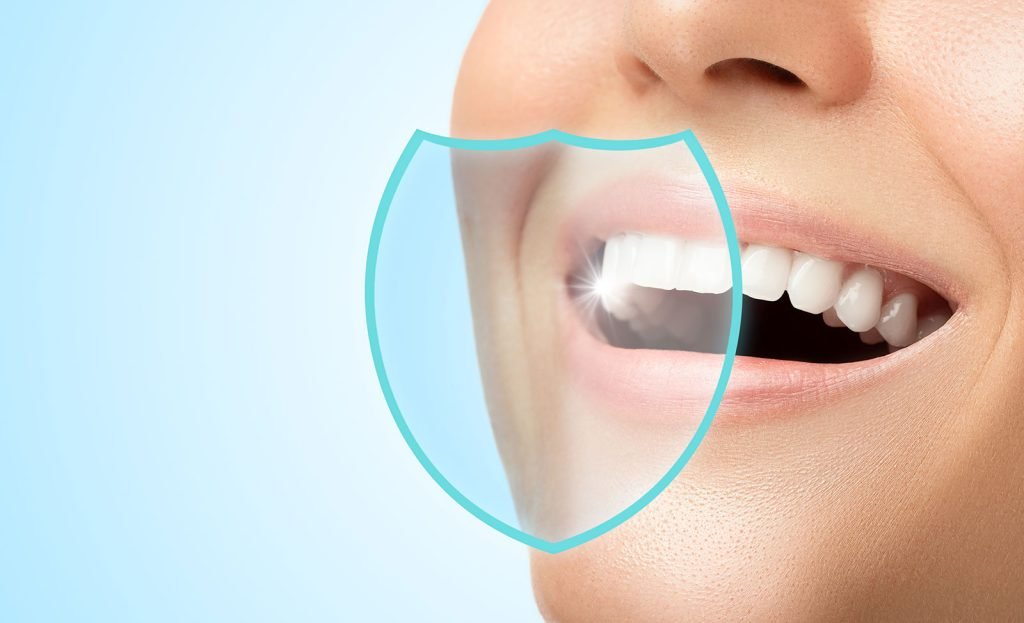
Dental veneers are a widely used option in cosmetic dentistry for individuals who want to change the appearance of their visible teeth. These thin, custom-made coverings attach to the front surfaces of teeth, and they can alter their color, shape, size, or overall uniformity. Knowing how veneers work, as well as what concerns they address, may help you make informed decisions about your smile.
What Are Dental Veneers?
Veneers are thin shells that are bonded to the outer surfaces of teeth. Porcelain veneers are crafted in a dental laboratory. Porcelain reflects light in a way that closely resembles natural tooth enamel; it tends to resist staining from coffee, tea, and similar substances. With proper care, the porcelain type can last 10 to 15 years or longer. Composite resin veneers are made from a tooth-colored material that a dentist applies, and they sculpt it directly onto the teeth.
What Are the Benefits?
Veneers may address a range of cosmetic concerns in a single treatment. With routine care, veneers can provide a durable, long-term result. There are several common concerns they may address, and these include:
- Discoloration that does not respond to professional whitening
- Chips or cracks
- Small gaps between teeth
- Teeth that are worn down, uneven, or irregularly shaped
Each veneer is custom-made, so the dentist can match its shade and translucency to the surrounding teeth. This allows the final result to blend with the rest of the smile. Veneers may require less removal of natural tooth structure than crowns, which cover the entire tooth. For patients whose teeth are otherwise healthy, this can make them a more conservative cosmetic option.
What Does the Process Involve?
Treatment with porcelain veneers usually takes a few appointments. The process begins with an evaluation, where your dentist discusses your smile goals. Some dentists use digital imaging, and this allows them to preview what your results may look like before any work begins.
Your dentist can then prepare your teeth. They do this by removing a thin layer of enamel from the front of each tooth. Local anesthetic may be used to keep you comfortable. Once your teeth are prepared, your dentist will take impressions and send it to a dental laboratory. Temporary veneers may be placed to protect your teeth while your permanent ones are being made, and this typically takes a few weeks.
Your dentist will check the fit and color of the permanent veneers, and they can make any necessary adjustments. Your teeth will be cleaned and treated before each veneer is secured in place using a dental adhesive. If you’re exploring composite resin veneers, your dentist can shape the material directly onto your teeth in a single visit. A follow-up appointment may still be recommended to check the fit and your bite.
Seek Professional Dental Services
Veneers often need to be repaired or replaced due to normal wear over time. A dental professional will assess your teeth, and they can develop a treatment plan suited to your needs. If you are interested in changing the appearance of your smile, contact a dentist to learn whether dental veneers are an appropriate option for you.