
Fungal infections of the feet are common, but without care they can spread to other areas of the body and lead to secondary bacterial infections. Podiatrists are physicians who specialize in the foot and ankle; they can diagnose and treat a variety of foot fungus types. Learn the role of podiatry in treating foot fungus.
Diagnosing Fungus
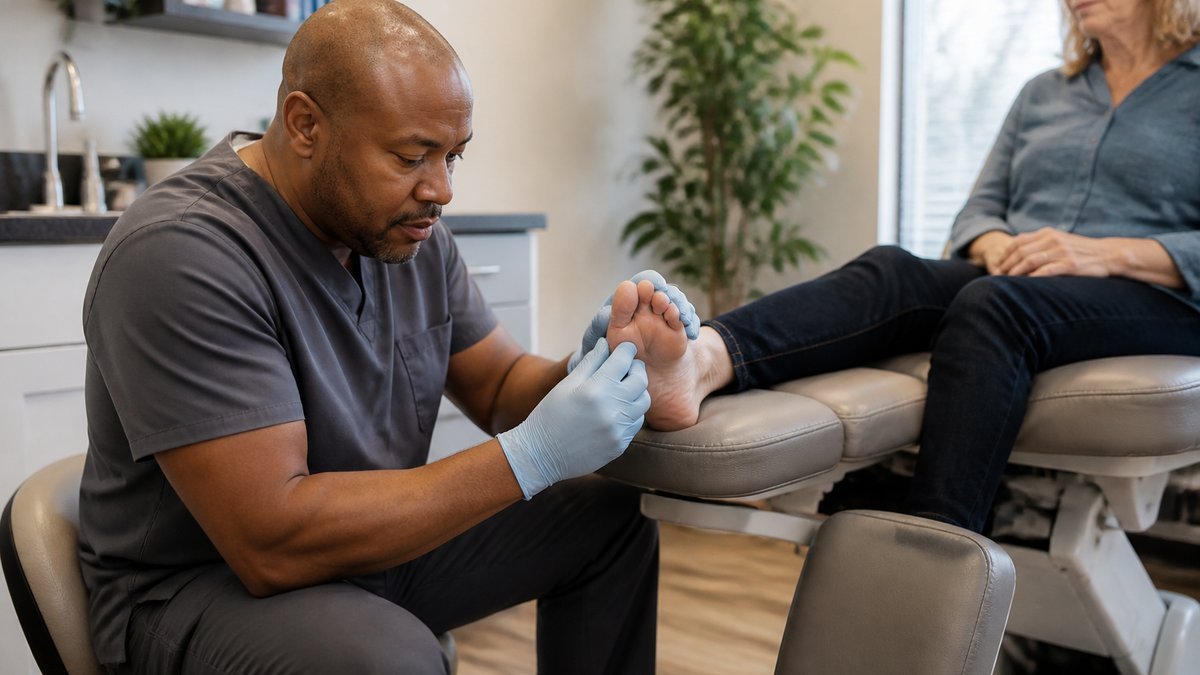
A podiatrist begins with a thorough medical history and a physical examination of the skin and nails. The podiatrist will note the color, texture, and thickness of affected nails, as well as changes or deformations of the skin. A podiatrist may collect a small sample of skin scrapings or nail clippings to diagnose specific fungi.
Laboratory testing can identify the organism responsible. Common methods include a potassium hydroxide (KOH) preparation, a fungal culture, and a periodic acid-Schiff (PAS) stain of nail tissue. Some laboratories also use molecular testing for faster and more precise results. Confirmation is especially important before oral medication is prescribed.
Treating Foot Fungus
For athlete’s foot, topical antifungal creams, sprays, or gels are often effective. Prescription or over-the-counter medications may be used. Consistent use of treatments should yield results in a short time.
Fungal nail infections are more difficult to treat because the fungus lives beneath and within the nail plate. Prescription topical solutions, such as efinaconazole or ciclopirox, may help in mild to moderate cases. For more advanced infections, a podiatrist may prescribe oral antifungal medication, such as terbinafine or itraconazole.
Podiatrists may also perform professional nail debridement. This procedure thins and trims thickened nails, which reduces discomfort and allows topical medications to penetrate more effectively. In severe or painful cases, partial or complete nail removal may be considered. Because toenails grow slowly, a clear, healthy nail may take a long time to see.
Preventing Future Fungal Outbreaks
Foot fungus infections can recur, even after successful treatment. Fungi thrive in warm, dark, and moist environments, such as shoes, locker rooms, and public showers. Consistent preventive habits can significantly lower your risk.
Your podiatrist may recommend the following measures:
- Wash your feet daily and dry them thoroughly, especially between the toes.
- Wear moisture-wicking socks and change them whenever they become damp.
- Rotate your shoes to allow each pair to dry completely between uses.
- Apply antifungal powder or spray inside shoes that have been worn during an infection.
- Wear protective footwear in communal showers, pools, and gym facilities.
- Avoid sharing towels, socks, shoes, or nail clippers.
- Keep toenails trimmed straight across and at a moderate length.
These steps reduce the conditions that allow fungi to grow and help protect the results of your treatment. Continue care even as your fungal foot health improves.
Patient Education on Foot Care
Completing the full course of treatment is essential. Symptoms often improve before the infection has cleared, and stopping early can allow the fungus to return. Your podiatrist can explain what to expect during each stage of healing.
Certain individuals face a higher risk of complications. People with diabetes, poor circulation, or a weakened immune system should inspect their feet daily for cracks, redness, swelling, or changes in nail appearance. In these patients, a minor fungal infection can create openings in the skin that allow bacteria to enter. Prompt evaluation of any changes can prevent more serious problems.
Treat Foot Fungus
If you notice persistent itching, peeling skin, or thickened and discolored toenails, a podiatrist can determine the cause and recommend an effective treatment plan. Early care often leads to faster recovery and a lower chance of recurrence. Schedule an appointment with a podiatrist at the first sign of nail discoloration or change.