Many people associate plastic surgeons only with operations, but in practice, board-certified plastic surgeons offer a range of treatments, from nonsurgical skin tightening to traditional surgical options. This range matters when you are choosing a provider. When you know your treatment options and personal goals, you can ask informed questions and find a surgeon whose experience matches your needs. Here are some tips for choosing a plastic surgeon for the aesthetic treatments you want to get:
Injectable Facial Options
Botox is a neuromodulator that temporarily relaxes targeted facial muscles; it is used for dynamic wrinkles, which form through repeated expressions such as frowning or squinting. Dermal fillers work differently. Most fillers contain hyaluronic acid, a gel-like substance that adds volume beneath the skin. Providers often use fillers for static lines, thinning lips, or areas that have lost volume with age.
Botox and fillers often complement each other, depending on an individual’s goals. Botox addresses lines caused by movement, and fillers address lines and hollows caused by volume loss. A surgeon may recommend both when your concerns involve the forehead or eye area along with the cheeks or lips.
Some concerns relate to skin texture rather than wrinkles or volume. For uneven texture, enlarged pores, or certain acne scars, a plastic surgeon may recommend microneedling instead. This treatment uses fine needles to create controlled micro-injuries that stimulate the skin’s natural collagen production, promoting smoother texture over time.
Nonsurgical Contouring Options
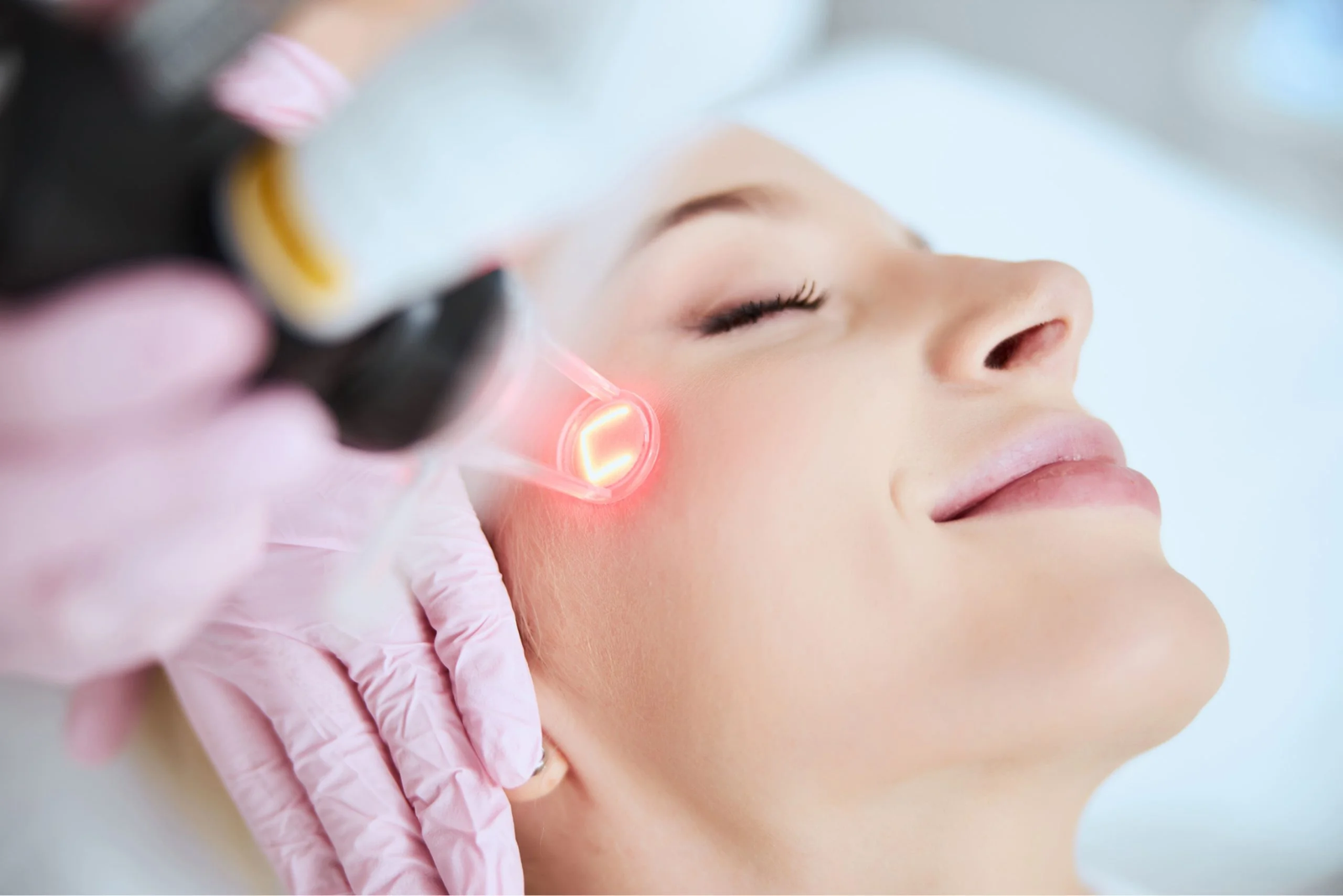
Nonsurgical body contouring procedures refine areas of the body without traditional surgery or general anesthesia, so they involve less downtime than surgery. Results tend to be more gradual. Providers use many different mechanisms for nonsurgical body contouring. Some devices use controlled cooling to target fat cells, while others rely on radiofrequency, laser, or ultrasound energy.
One key option uses sub-dermal cold plasma energy. For this contouring treatment, the surgeon inserts a small device beneath the skin through a tiny access point. The device delivers helium plasma and radiofrequency energy to the underlying tissue. This process aims to tighten and rejuvenate skin. Because this option treats areas anywhere on the face and body, it may suit patients with mild to moderate skin laxity who prefer to avoid more extensive surgery.
Surgical Options
Surgical procedures can produce more significant changes for certain cosmetic concerns; they also involve longer recovery periods. Ask each surgeon you meet with how often they perform the specific procedure you are interested in to help you find a provider with the right experience. A traditional facelift addresses sagging skin and tissue in the lower face and neck. Surgeons also offer variations such as mini face lifts, neck lifts, and brow lifts. A mini face lift uses shorter incisions and targets more limited areas, but the appropriate approach depends on the degree of laxity and your areas of concern.
Tummy Tuck
A tummy tuck, or abdominoplasty, removes excess skin and fat from the abdomen. Many procedures also tighten separated abdominal muscles, as candidates often include people who have experienced pregnancy or significant weight loss. A tummy tuck is not a weight loss procedure; patients should be near a stable weight before this surgery.
Rhinoplasty
Rhinoplasty reshapes the nose, which can change its size, profile, tip, or nostril shape. Some patients pursue rhinoplasty for cosmetic reasons, but others need it to address breathing concerns, such as a deviated septum. When you compare surgeons, review before-and-after photos of rhinoplasty patients with features similar to yours.
Look Into a Plastic Surgeon
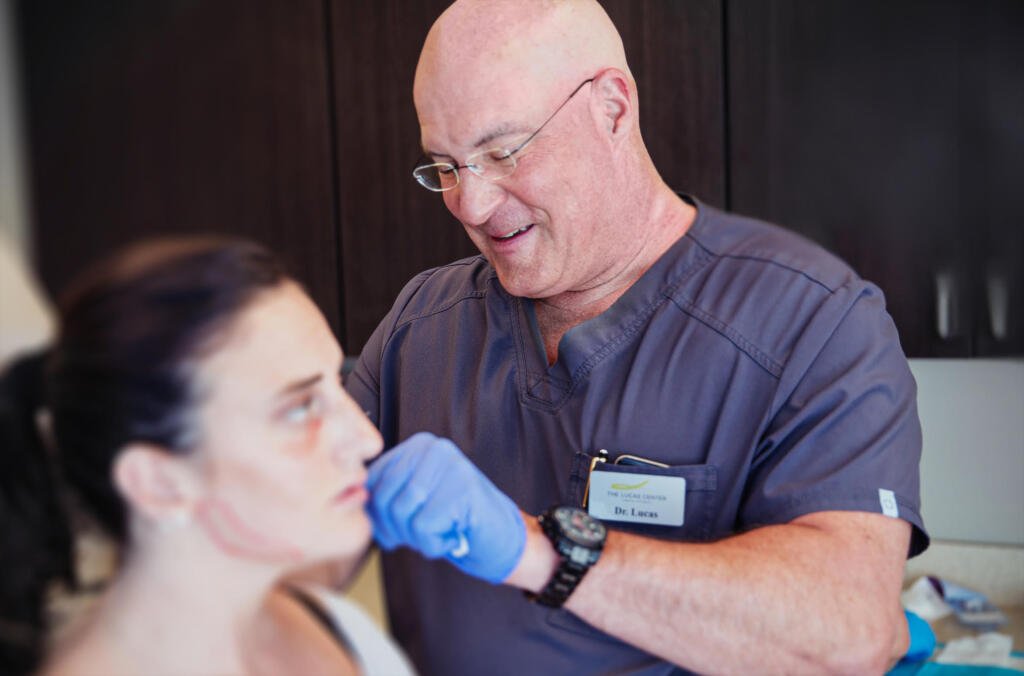
Before your appointment, write down your personal goals and questions, and confirm that the surgeon is board-certified in plastic surgery. A consultation lets you evaluate a surgeon’s qualifications and approach. During the initial visit, ask how many times the surgeon has performed the procedure you want and what to expect from recovery. Share your full medical history so the surgeon can assess whether a treatment is appropriate for you. A qualified surgeon will explain your options clearly and should openly discuss potential risks. Take time after the consultation to compare your options before deciding.
- What To Expect During Your First Visit to a Wellness Spa
- Tips for Choosing the Right Plastic Surgeon for Your Needs
- The Advances in Retina Specialist Treatments You Should Know
- Understanding How Hyperbaric Oxygen Therapy Impacts Individuals With Autism
- Key Factors in Choosing a Vein Surgeon for Your Procedure