Aesthetic dermatology focuses on helping skin look smoother and more refreshed. Treatments in this field range from topical options to device-based procedures, and each one targets specific features like texture, tone, or contour. As technology advances, dermatology practices integrate techniques that may offer more precision and customization.
What Is Aesthetic Dermatology?
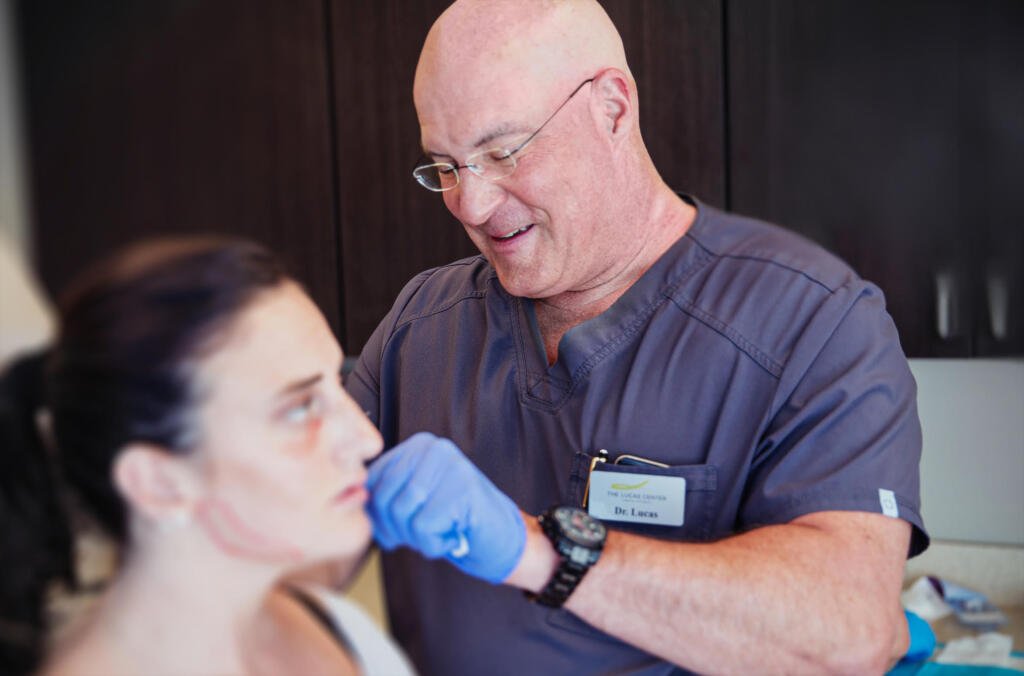
Aesthetic dermatology is a branch of dermatology that focuses on the appearance of the skin. Medical dermatology addresses conditions like rashes, while aesthetic care targets concerns such as fine lines, uneven tone, or mild sagging. A dermatologist may evaluate skin health, lifestyle, and specific goals, and they then recommend treatments that match those needs. Some procedures involve devices that use energy, while others rely on topical ingredients or injectable materials. A dermatologist might suggest a series of treatments rather than a single session. This approach can support gradual improvements.
What Does It Address?
Aesthetic dermatology addresses features that influence how smooth or firm skin looks, and it may target specific layers of the skin with each technique. Some treatments focus on the outermost layer, while others reach deeper layers. Dermatologists use these tools to address common age-related changes. Since each person has different priorities, treatment plans can vary.
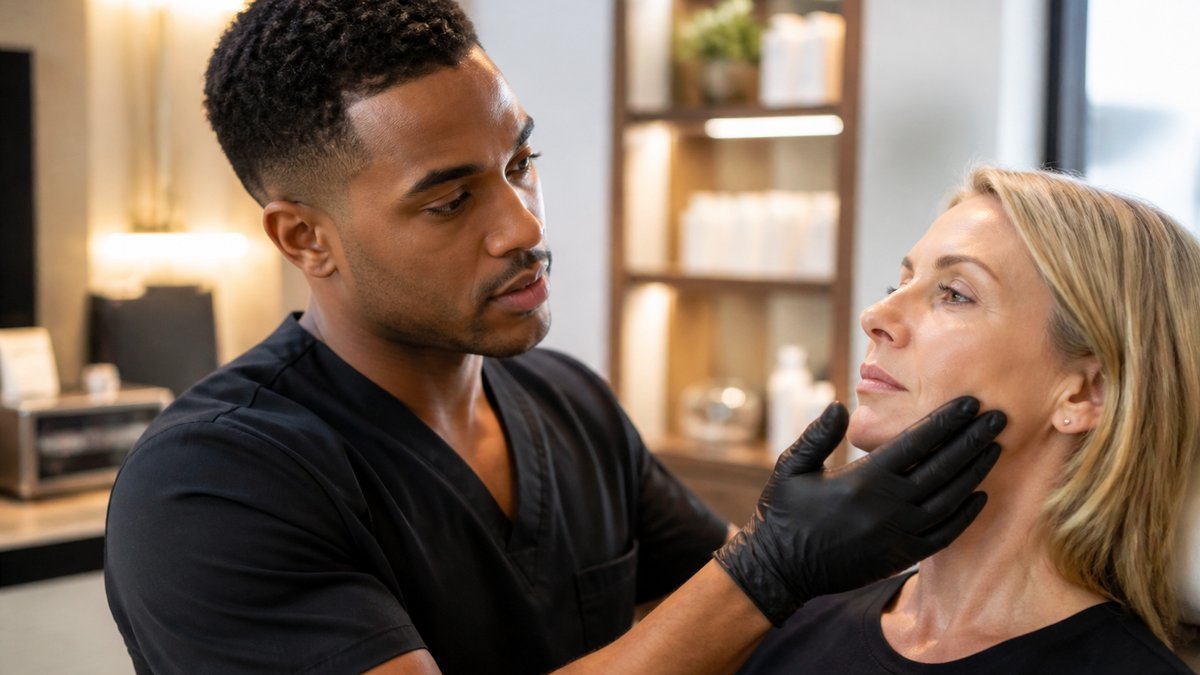
People may seek aesthetic care for fine lines around the eyes or mouth, and others focus on dullness, enlarged pores, or mild acne scarring. Uneven pigment, such as dark spots from sun exposure, also falls into this category, and device-based treatments can target those areas. Some procedures address early sagging along the jawline or under the chin. Dermatologists usually start with a detailed assessment before outlining options.
What Techniques Fall Under It?
Aesthetic dermatology includes a wide range of techniques. Injectable treatments use materials placed just under the skin to smooth lines or restore soft volume in selected areas. Some injectables relax targeted muscles, while others add subtle fullness in regions that have thinned over time. These treatments involve precise placement, and dermatologists may adjust the amount and location based on facial anatomy.
Energy-based devices form another large group of aesthetic tools, and they use different types of energy to influence the skin. Laser treatments focus concentrated light on specific pigments or structures, helping with issues like redness or sun-related spots. Other devices rely on radiofrequency energy, and they deliver heat to deeper layers of the skin. These treatments support firmer-looking skin over time.
Exfoliating procedures may also be included in treatment plans. They target the outer layer of the skin to promote a more even surface. Chemical peels use carefully selected solutions to loosen dead cells, ranging from very light formulas to deeper options that reach further into the skin. Dermatologists can pair these exfoliating approaches with topical skincare plans, and they often recommend sunscreen use to support treatment results.
Meet With a Dermatologist
A dermatologist is able to review your skin, discuss your priorities, and explain which techniques fit those details, and this process may help set realistic expectations. Because results develop over time with many of these options, an ongoing relationship also supports adjustments as your skin changes. If you want an overview of modern techniques and how they relate to long-term skin health, visit a practice that offers cosmetic care. This allows you to work with a dermatologist on a plan that treats both the look and the function of your skin.