The effectiveness of teeth whitening depends in part on where the discoloration occurs. Whitening toothpastes can remove stains from the tooth’s surface, while peroxide-based treatments use a chemical reaction to lighten discoloration within the tooth. Here is more information on the science behind effective teeth whitening techniques:
Types of Tooth Stains
Teeth pick up color from food, drink, tobacco, and natural aging, and these sources leave different marks. Dentists first look at where the stain is and how long it has been there. Surface stains usually respond to teeth whitening, and deeper stains often need more targeted approaches.
Extrinsic Stains
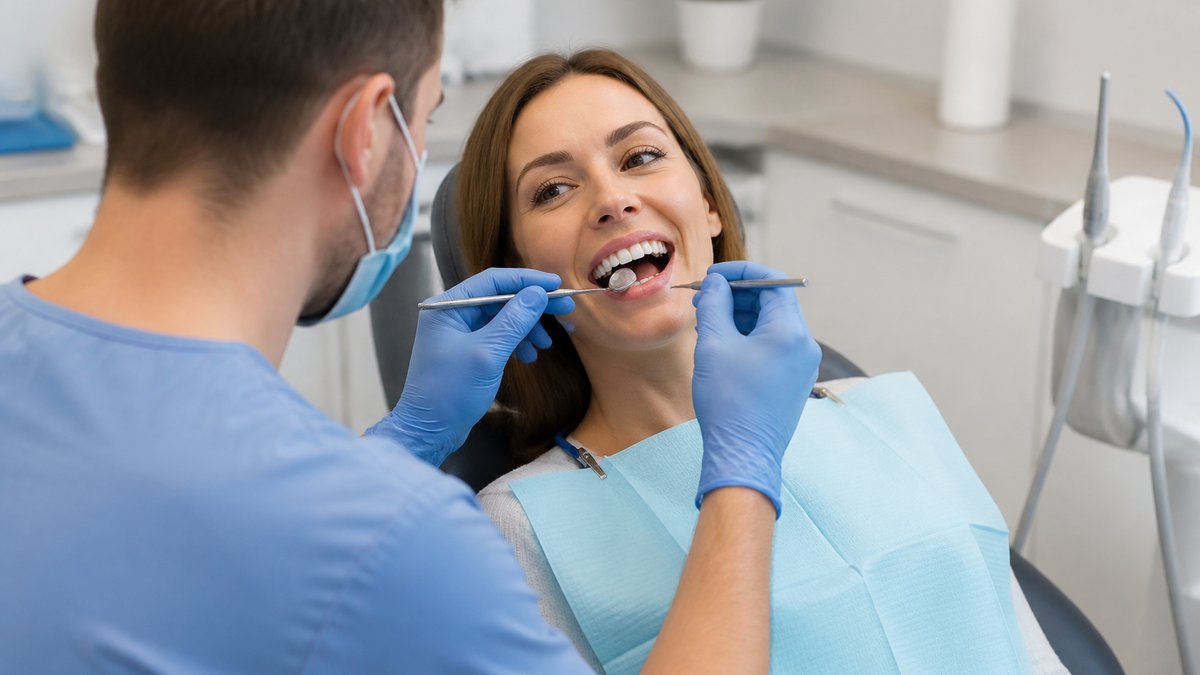
Extrinsic stains affect the outer enamel layer, and they often come from coffee, tea, red wine, or tobacco. Pigments collect in the microscopic roughness of the enamel and gradually alter the tooth shade. Professional cleaning removes plaque and tartar, exposing the true level of surface staining.
Intrinsic Stains
Intrinsic stains sit inside the tooth, and they usually relate to aging, trauma, or certain medications. The inner dentin layer darkens over time, and this color shows through the semi-translucent enamel. Some intrinsic discoloration responds only partially to whitening, and dentists sometimes suggest veneers or bonding for such areas.
Science Behind Teeth Whitening
Professional whitening often uses peroxide-based gels, and these break down into highly reactive oxygen species. These small molecules enter the enamel structure, and they interact with long-chain stain molecules called chromogens. The reaction changes the shape of these chromogens and how they absorb and reflect light. As the chromogens lose their strong color, teeth appear lighter even though the enamel surface remains physically unchanged.
The key variables are peroxide concentration, contact time, and temperature, and dentists adjust each one for safety. Higher concentrations work faster but also increase the risk of temporary sensitivity or gum irritation. Lower concentrations stay on the teeth longer and rely on repeated sessions to achieve the same shade change. When the balance is right, whitening lifts stains while leaving enamel structure intact and functional.
Options for Dental Whitening
Different teeth whitening methods use the same basic chemistry; they deliver peroxide to the teeth in different ways. The right option depends on stain depth, time frame, and how closely you want the process supervised. People often combine in-office and at-home approaches to maintain results between visits. Here are some of the options for dental whitening:
- In-office whitening: A dentist applies high-strength peroxide gel and isolates the gums to protect soft tissues. Visible shade changes often appear after one or two visits.
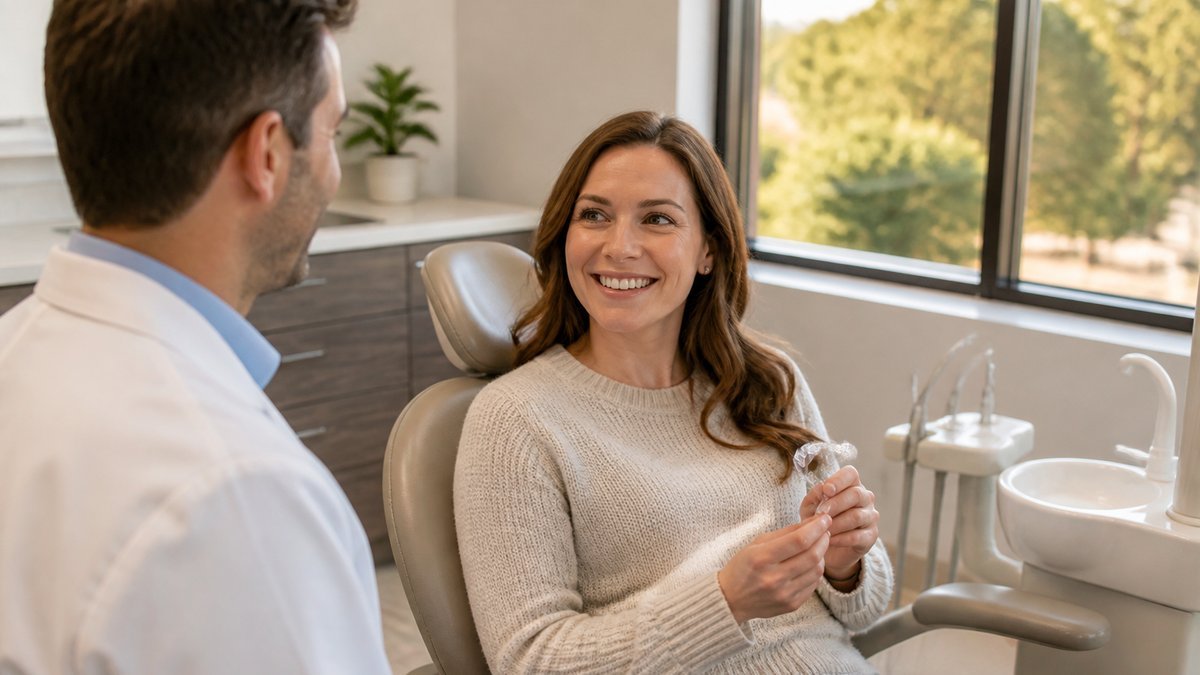
- Custom take-home trays: The dentist provides fitted trays and lower-strength gel, and you wear them for set periods at home. Results build gradually over time, and this method allows repeatable whitening.
- Over-the-counter strips and gels: Store-bought products use milder formulas, and they rely on repeated use for noticeable change. They suit mild surface stains, and they sometimes whiten unevenly if they do not contact every tooth surface.
Safety and Whitening Limits
Dentists follow established concentration and timing guidelines for peroxide-based whitening. Short-term sensitivity can occur during treatment and usually relates to fluid movement inside the tooth. Desensitizing gels or adjusted schedules can reduce this response, and dentists also monitor gum tissues for irritation. Fillings, crowns, and veneers do not respond to bleaching, and they may look darker once natural teeth lighten. Deep intrinsic stains from trauma or developmental issues often improve only slightly, and dentists sometimes recommend covering those teeth.
Book Your Teeth Whitening Appointment
Effective teeth whitening starts with stain analysis, and it relies on controlled peroxide chemistry. A dentist can examine your enamel, review your goals, and outline realistic whitening options. Professional guidance helps protect your teeth and gums, and it also helps you maintain results with daily care. Contact a qualified dentist near you to book your teeth whitening appointment today.