Bone loss can progress quietly, and osteoporosis sometimes develops without early warning signs. Women may notice changes only after their spinal bones begin to weaken or fractures occur, so paying attention to subtle shifts in height, posture, and comfort levels supports earlier evaluation. Here are the signs and symptoms of osteoporosis in women:
Shortened Height
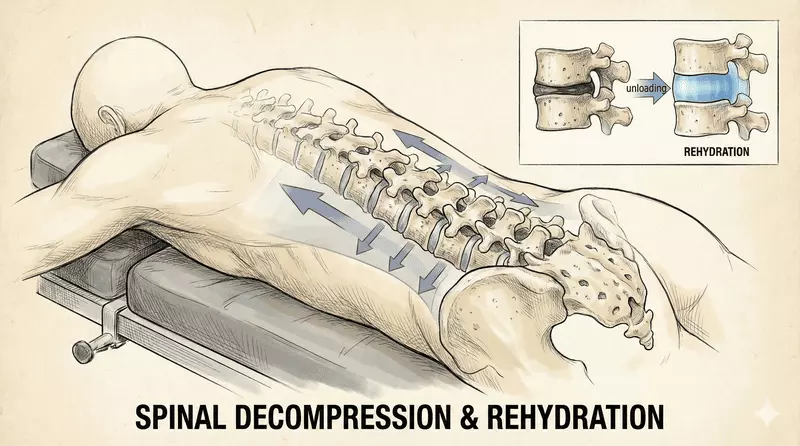
One sign linked with osteoporosis is a gradual loss of height over time. Spinal bones become less dense, and they may compress, leading to a shorter overall frame. This height loss may develop slowly. It sometimes goes unnoticed until clothing fits differently or someone points out the change.
Women may realize they no longer reach shelves they once accessed easily. Routine measurements at medical visits highlight these changes, and they provide a record showing whether height is stable or trending downward. Losing several inches suggests the vertebrae in the spine are under strain. A doctor can pinpoint these changes and recommend treatment.
Back Pain
Back pain without a clear injury sometimes relates to fractures in the spine. When vertebrae weaken, they compress under normal daily loads. This compression may lead to a dull ache or sharper pain in the mid or lower back. The pain may worsen with standing or walking, and it has the potential to ease when lying down.
Some women may describe a sudden onset of back pain after a minor movement, while others notice a persistent soreness that lingers for weeks. These symptoms interfere with routine tasks. They may limit bending, lifting, or twisting. Pain after a small bump, a light fall, or even a strong cough raises concern, because healthy bones usually tolerate such stresses without injury.
Although many conditions trigger back discomfort, pain combined with height loss or posture changes points more directly toward underlying bone thinning. A healthcare provider evaluates these patterns, and they decide whether imaging or bone density testing is appropriate. Recognizing these warning signs early supports more targeted care. It also helps lower the risk of future fractures.
Changed Posture
Posture may shift as spinal bones lose strength. This change can appear before a woman notices height loss. The signs of a changed posture include:
- A noticeable rounding or hump in the upper back
- Shoulders that sit forward instead of aligned over the hips
- Head jutting forward when viewed from the side
- Trouble standing fully upright for long periods
- Clothing fitting differently through the shoulders and back
Treatment for osteoporosis involves lifestyle adjustments, medication, and hormone therapy. A doctor will determine the right interventions for a patient’s unique condition.
Consult a Doctor About Osteoporosis
Any combination of height loss, back pain, posture changes, or fractures from minor incidents warrants a medical conversation; these signs align with the way osteoporosis affects the spine and other bones. A healthcare provider reviews your history and recommends testing when needed, which supports a clear understanding of your bone health. Women’s health doctors can detect bone loss before fractures occur, and early evaluation offers practical benefits. Schedule an appointment with a doctor today.