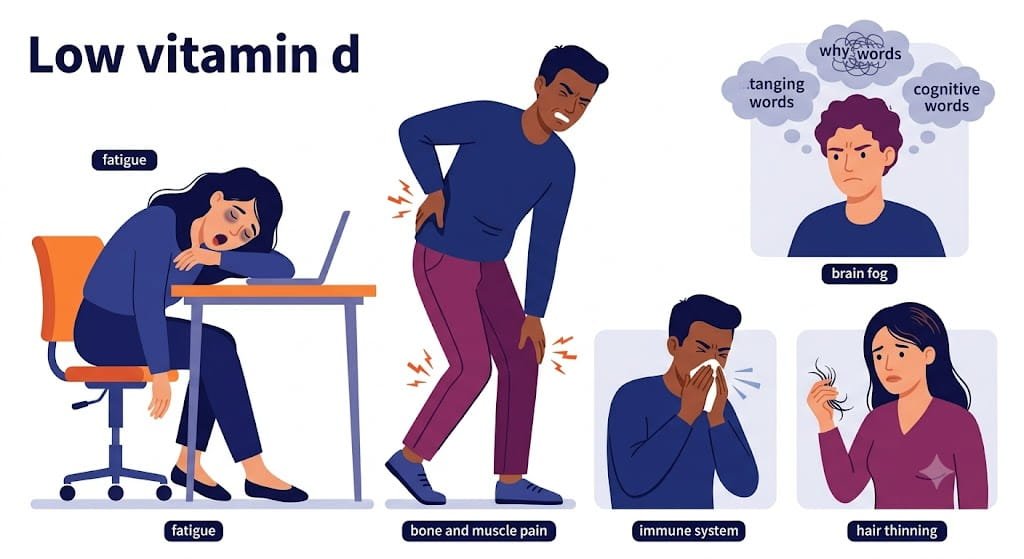
Imagine waking up after eight hours of sleep feeling like you barely closed your eyes. Your muscles ache, your joints feel stiff, and a persistent gray cloud hangs over your mood. While it is easy to blame a demanding job or the natural aging process, the true culprit might be quietly hiding in your bloodstream.
Vitamin D is unique because it functions more like a hormone than a classic vitamin, influencing receptors in almost every cell of your body. Yet, despite its critical role, hundreds of millions of people worldwide walk around with insufficient levels. Often referred to as the “sunshine vitamin,” this nutrient is vital for bone strength, immune function, and mental well-being. Because the signs of insufficiency are notoriously subtle and mimic other common ailments, it is easy to overlook them until they cause noticeable disruptions to your daily life.
This comprehensive guide will unpack the multifaceted world of vitamin D deficiency, mapping out how a lack of this crucial nutrient affects men, women, and adults of all ages. We will explore the physiological pathways, look closely at related co-deficiencies like iron and calcium, and help you identify when it is time to request a simple blood test from your physician.
Symptoms of Low Vitamin D: The Most Common Red Flags
When your body lacks sufficient sunshine nutrients, it sends subtle distress signals. Unlike a sudden illness, a vitamin D deficiency develops slowly over months or years, meaning you might adapt to feeling subpar without realizing something is fundamentally wrong.
+-------------------------------------------------------------+
|               COMMON SYSTEMIC MANIFESTATIONS                |
+-------------------------------------------------------------+
|  [Fatigue & Low Energy]  --> Persistent, unrefreshing sleep |
|  [Bone & Muscle Pain]    --> Deep, aching discomfort        |
|  [Slow Wound Healing]    --> Minor cuts take weeks to heal  |
|  [Frequent Illnesses]    --> Catching every seasonal cold   |
+-------------------------------------------------------------+
One of the most classic signs is a profound, unexplained fatigue. Because vitamin D plays a foundational role in cellular energy production, a deficit means your cells struggle to generate the power needed to keep you feeling vibrant. Additionally, people frequently report a dull, throbbing ache in their bones, particularly in the shins, lower back, and pelvis.
Low Vitamin D Symptoms Female: Unique Challenges for Women
Women often experience vitamin D deficiency differently due to fluctuating hormonal profiles, menstrual cycles, and distinct bone density lifespans. For women, a deficit can manifest as chronic musculoskeletal discomfort that is easily misdiagnosed as fibromyalgia or general stress.
Beyond physical aches, women may notice changes in their hair health, specifically diffuse shedding rather than localized hair loss. The nutrient plays a regulatory role in the life cycle of hair follicles, and when levels drop, the hair growth cycle can stall, leading to noticeable thinning.
What Are the Symptoms of Low Vitamin D in Everyday Life?
In day-to-day life, the signs of a deficiency can show up as a series of minor, irritating inconveniences that slowly chip away at your quality of life. You might find yourself struggling to get out of bed, feeling unusually sore after basic grocery shopping, or experiencing sudden waves of irritability.
-
Brain Fog: Struggling to focus, recall names, or maintain concentration during work tasks.
-
Waking Up Tired: Feeling as though you have run a marathon despite sleeping through the night.
-
Unusual Sweating: Excessive sweating on the forehead, even when cool and resting.
What Low Vitamin D Symptoms Say About Your Immune System
If you find yourself catching every seasonal cold, flu, or respiratory bug that makes the rounds at your workplace, your immune system might be crying out for help. Vitamin D interacts directly with the cells responsible for fighting infections, such as T-cells and macrophages.
Without adequate levels, your immune defense system essentially operates with its hands tied. You become far more susceptible to common pathogens, and recovery times can stretch out much longer than normal.
Vitamin D Low Symptoms and the Role of Sunlight
Our modern indoor lifestyles have decoupled us from our primary source of vitamin D: the sun. When ultraviolet B (UVB) rays strike the skin, they trigger the synthesis of vitamin D3.
When you spend your daylight hours inside offices, cars, or homes, this synthesis stalls completely. Over time, your body drains its stored reserves, culminating in physical aches, low stamina, and a general feeling of malaise.
Symptoms of a Low Vitamin D Status in Your Bones
Vitamin D acts as the gatekeeper for calcium absorption in your gut. Without it, your body cannot absorb the calcium you consume through your diet, forcing it to steal calcium from your skeletal system to maintain vital cardiovascular and muscular functions.
This systemic theft leads directly to osteomalacia—a softening of the bones—or osteoporosis, where bones become brittle and prone to micro-fractures. If you experience deep, localized bone pain upon pressing your breastbone or shins, it is a strong indicator of a skeletal deficit.
Vitamin D 25-Hydroxy Low Symptoms: Understanding Your Blood Lab Panel
When a physician suspects a deficiency, they will order a specific blood test called a 25-hydroxyvitamin D test. This is the most accurate marker of the total amount of vitamin D currently circulating in your body.
+-------------------------------------------------------------+
|                DIAGNOSTIC RANGE REFERENCE                   |
+-------------------------------------------------------------+
|  Severe Deficiency:    < 12 ng/mL (High risk of bone pain)  |
|  Mild Deficiency:      12 - 20 ng/mL                        |
|  Insufficiency:        20 - 30 ng/mL                        |
|  Optimal Levels:       30 - 100 ng/mL                       |
+-------------------------------------------------------------+
If your lab results return with a value below 20 ng/mL, you are clinically deficient. The corresponding physical indicators at this stage often include muscle twitching, deep joint stiffness, and a marked decline in muscle strength.
What Are Symptoms of Low Vitamin D and How They Mimic Other Diseases
Because the warning signs are so non-specific, a deficit is frequently misdiagnosed. It can masquerade as chronic fatigue syndrome, depression, early-onset arthritis, or even fibromyalgia.
Patients are often put on treatment plans for these complex disorders when, in reality, restoring their vitamin D levels to an optimal range could alleviate a massive portion of their systemic aches, pains, and mood disturbances.
What Are the Symptoms for Low Vitamin D in Joint Health
Do your knees, hips, or fingers feel stiff and achy when you get out of bed? While it is easy to blame joint wear-and-tear, vitamin D is a powerful anti-inflammatory agent.
A deficiency can lead to systemic inflammation, which directly affects the synovial fluid and cartilage protecting your joints. This can lead to persistent soreness, popping sounds in the joints, and a reduced range of motion.
Low.Vitamin D Symptoms: The Gut and Malabsorption Connection
Sometimes, the issue isn’t a lack of sunlight or dietary intake, but rather your gut’s inability to absorb nutrients. Conditions like celiac disease, Crohn’s disease, and ulcerative colitis severely limit nutrient absorption.
When your gut is compromised, you may experience classic deficiency symptoms alongside digestive distress, bloating, and food sensitivities, compounding your physical fatigue and muscle weakness.
Symptoms Low Vitamin D: How It Affects Muscle Strength and Stability
Have you noticed a sudden decrease in your grip strength, or do you find climbing stairs surprisingly taxing? Vitamin D receptors are located throughout your muscle fibers.
A lack of this nutrient leads to a decrease in muscle mass and poor muscle contraction dynamics. This manifests as weakness, a heavy sensation in your limbs, and an increased risk of falls, especially in older adults.
Symptoms of Low Vitamin D in Women Across Different Life Stages
Women go through distinct physiological transitions—pregnancy, postpartum, and menopause—that drastically alter their nutritional needs. During pregnancy, a lack of vitamin D can lead to complications such as preeclampsia and low birth weight.
During menopause, the drop in estrogen levels already compromises bone density. A concurrent vitamin D deficit accelerates this bone loss, leading to rapid-onset joint pain, heightened anxiety, and a higher risk of fractures.
Vitamin D 25 Hydroxy Low Symptoms and Metabolic Health
The 25-hydroxy compound is crucial for metabolic regulation. Emerging research indicates that low levels of this circulating pre-hormone are closely linked to insulin resistance and a slowed metabolic rate.
If you are struggling with unexplained weight gain, difficulty losing weight despite a clean diet, or intense sugar cravings, your metabolic pathways may be suffering from a lack of active vitamin D.
Low Vitamin D Levels Symptoms and Cognitive Decline
Your brain is packed with vitamin D receptors, particularly in areas responsible for memory, planning, and emotional regulation. When levels drop, cognitive processes can slow down significantly.
Many people refer to this as “brain fog,” but in older adults, it can manifest as severe memory lapses, difficulty multi-tasking, and an increased risk of developing progressive cognitive decline.
Symptoms Low in Vitamin D: Skin Conditions and Delayed Healing
Our skin is not only the site of vitamin D production, but it is also highly dependent on the nutrient to repair itself. If you notice that minor cuts, scrapes, or bruises take weeks to fade, your body’s cellular regeneration process is likely stalled.
Additionally, low levels have been linked to a higher incidence of inflammatory skin conditions like eczema, psoriasis, and severe dry skin that does not respond to topical moisturizers.
Extremely Low Vitamin D Symptoms: When It Becomes a Medical Emergency
When vitamin D drops to single digits, the body’s homeostatic balance begins to break down. This is no longer a case of mild fatigue; it is a profound physical crisis.
+-------------------------------------------------------------+
|                SEVERE DEFICIENCY CASCADE                    |
+-------------------------------------------------------------+
|  [Single-Digit Vitamin D] --> Impaired Calcium Absorption   |
|                                         |                   |
|  [Muscle Tetany/Spasms]   <-- Extreme Neuromuscular Spikes  |
|  [Micro-Fractures]        <-- Skeletal Demineralization     |
+-------------------------------------------------------------+
People suffering from extreme deficits may experience tetany (painful muscle spasms and lockups), cardiac arrhythmias due to disrupted calcium levels, and spontaneous micro-fractures in the ribs or spine from merely bending over.
Low on Vitamin D Symptoms and Chronic Cardiovascular Risks
Your heart is a muscular organ, and like all muscles, it relies on calcium and vitamin D to contract efficiently. Chronic deficiency is associated with stiffer arteries, higher blood pressure, and an increased risk of cardiovascular disease.
If you notice your blood pressure creeping up despite lifestyle modifications, or if you experience unexplained heart palpitations, checking your vitamin D level is a wise diagnostic step.
Low in Vitamin D Symptoms and Respiratory Health
Vitamin D acts as a natural anti-inflammatory agent within the lungs, helping to keep airway tissues healthy and responsive. People with chronically low levels are far more prone to chronic bronchitis, asthma flare-ups, and sinus infections.
If you struggle to shake off seasonal chest colds, or if your asthma has become increasingly difficult to manage, a lack of this nutrient may be keeping your respiratory tract in a state of constant, low-grade inflammation.
Low Vitamin D Levels and Symptoms of Sleep Disturbances
Struggling with insomnia or waking up repeatedly throughout the night? Vitamin D is deeply involved in the pathways that produce melatonin, the hormone responsible for regulating your sleep-wake cycles.
When your levels are depleted, your sleep quality plummets. You may find yourself tossing and turning, experiencing restless leg syndrome, or waking up feeling completely unrefreshed despite spending eight hours in bed.
Lower Vitamin D Levels Symptoms in the Nervous System
Because of its neuroprotective properties, vitamin D keeps the nervous system running smoothly. When levels drop, the protective myelin sheath surrounding your nerves can become vulnerable.
This can trigger unusual neurological sensations, such as a persistent tingling or “pins and needles” sensation in your hands and feet, burning sensations in your limbs, or hypersensitivity to cold temperatures.
Severely Low Vitamin D Symptoms and Bone Softening
In adults, prolonged, severe deficiency leads to a condition called osteomalacia, which translates literally to “soft bones.” Unlike osteoporosis, which makes bones brittle, osteomalacia physically weakens the structural matrix of the bone.
This results in a bowing of the long bones in the legs, a slow, waddling gait, and deep, unyielding pain in your hips and lower back that makes sitting or standing for long periods incredibly painful.
What Symptoms of Low Vitamin D Manifest in Dental Health
Your teeth are made of a bone-like substance called dentin, protected by a hard outer layer of enamel. Since vitamin D is essential for calcifying these structures, a deficiency can rapidly degrade your oral health.
Symptoms include a sudden increase in cavities, bleeding gums (periodontal disease), loose teeth, and hypersensitivity to hot or cold foods due to the thinning of protective tooth enamel.
Low Vitamin D Count Symptoms: The Impact on Mood and Mental Health
Seasonal Affective Disorder (SAD) is highly linked to a drop in sunlight exposure during winter, which directly correlates with a drop in vitamin D. The nutrient is essential for the synthesis of serotonin and dopamine, your brain’s feel-good chemicals.
A low count can lead to persistent low mood, feelings of hopelessness, social withdrawal, and a generalized lack of motivation that mimics clinical depression.
Symptoms of Low Vitamin D Levels in Joints and Tendons
Beyond the bones themselves, your tendons, ligaments, and connective tissues require vitamin D to maintain their elasticity and strength. A drop in levels makes these tissues stiff, brittle, and prone to micro-tears.
You might notice that you are suddenly dealing with repetitive strain injuries, Achilles tendonitis, or plantar fasciitis, even if you haven’t recently increased your physical activity levels.
Symptoms of Very Low Vitamin D: Persistent Chronic Pain
When your deficiency is profound and has gone untreated for years, the pain becomes global. This is not localized to one muscle or joint; instead, you feel a deep, aching pain throughout your entire skeletal system.
+-------------------------------------------------------------+
|                    GLOBAL PAIN PATHWAY                      |
+-------------------------------------------------------------+
|  [Low Vitamin D] --> Poor Calcium --> High Parathyroid      |
|                                                |            |
|  [Widespread Bone Pain] <-- Demineralization of Skeleton   |
+-------------------------------------------------------------+
This occurs because the parathyroid glands go into overdrive, secreting hormones that strip mineral content from your bones to keep blood levels stable. The result is a constant, exhausting ache that physical therapy or standard over-the-counter pain relievers cannot fix.
Very Low Vitamin D Symptoms and Neuromuscular Irritability
Without enough vitamin D to regulate calcium levels in your blood, your nervous system becomes hyper-irritable. This means your nerves fire off spontaneous, involuntary signals to your muscles.
You might experience constant eyelid twitching, sudden muscle spasms in your calves or arches of your feet (charlie horses), and general muscle tremors that make fine motor tasks difficult.
Low Level of Vitamin D Sign and Symptoms in Cellular Recovery
Every cell in your body needs to replicate and repair itself daily. Vitamin D controls the genes that regulate this cellular division and programmed cell death.
When levels are low, your body’s internal repair mechanisms slow down. You will notice that muscles take days to recover from light exertion, simple bruises linger for weeks, and your skin looks dull and struggles to retain moisture.
Low. Vitamin D Symptoms: Pediatric vs. Adult Presentation
While this article focuses primarily on adults, it is important to note how a deficit presents differently across ages. In children, a severe lack of the nutrient causes rickets, characterized by soft, bowed legs and developmental delays.
In adults, the bones are already fully formed, so they do not bow as easily. Instead, the symptoms present as systemic weakness, bone thinning, and a dramatic increase in fracture risk during simple, low-impact falls.
Low Vitamin D 25 Hydroxy Symptoms and Thyroid Function
There is a powerful feedback loop between your thyroid, parathyroid, and vitamin D levels. A drop in 25-hydroxy levels can disrupt thyroid hormone synthesis, contributing to hypothyroidism.
This combination creates a double-whammy of fatigue, rapid weight gain, cold intolerance, dry skin, and hair loss, making it highly important to test both thyroid panels and vitamin D levels together.
Low Vitamin D Symptoms Woman: Hormonal Imbalances
In women, vitamin D is a co-factor in the production of estrogen and progesterone. A deficiency can throw these delicate hormones out of balance, leading to irregular menstrual cycles, severe PMS, and exacerbated symptoms of PCOS (Polycystic Ovary Syndrome).
If you are experiencing sudden, severe mood swings, heavy or irregular periods, or adult acne, an underlying vitamin D deficiency could be fueling the hormonal fire.
Low Vitamin. D Symptoms: Understanding the Role of Co-Factors
Taking mega-doses of vitamin D without considering its essential co-factors can sometimes lead to further imbalances. To function correctly, vitamin D requires magnesium, zinc, boron, and vitamin K2.
Without magnesium, your body cannot convert stored vitamin D into its active form. If you are experiencing symptoms despite taking a supplement, a magnesium deficiency might be the hidden bottleneck.
Signs and Symptoms of Low Vitamin D and Bone Mineral Density Loss
The most quiet and dangerous sign of deficiency is the silent loss of bone mineral density. This does not hurt initially, but it leaves your skeletal structure looking like a sponge rather than solid stone.
Often, the very first sign of this deep bone loss is a sudden, unexpected fracture from a minor stumble, or a gradual loss of height as the vertebrae in your spine slowly compress.
Signs and Symptoms of Low Vitamin D Levels in Men
Men often ignore the early signs of a deficiency, attributing fatigue or muscle soreness to hard work or exercise. However, a lack of vitamin D has unique consequences for male physiology.
Men may experience a progressive decline in physical stamina, prolonged recovery times after workouts, and a general lack of physical drive. Because vitamin D is essential for muscle protein synthesis, muscle mass can begin to waste away even with regular strength training.
Symptoms Low Vitamin D in Women and Hair Thinning
While male pattern baldness is highly genetic, hair thinning in women is deeply tied to nutritional and hormonal balances. Vitamin D regulates the expression of genes that promote normal hair follicle growth.
When levels are low, hair follicles enter the resting phase prematurely and shed. Women suffering from a deficiency often find clumps of hair in their shower drain or notice their ponytail feels significantly thinner.
Symptoms of Low Vitamin D 25-Hydroxy: The Chronic Fatigue Connection
If you are dealing with chronic fatigue that does not improve with rest, your circulating 25-hydroxy levels are likely highly compromised. This is because vitamin D supports the mitochondria—the powerhouses of your cells.
Without this vital hormone, cellular respiration is compromised, leaving you feeling physically drained and mentally exhausted from the moment you wake up.
Extreme Low Vitamin D Symptoms and Autonomic Nervous System Dysfunction
In rare, extreme cases, a deficiency can disrupt the autonomic nervous system, which controls involuntary bodily functions like heart rate, digestion, and blood pressure regulation.
This can result in symptoms like Postural Orthostatic Tachycardia Syndrome (POTS), where your heart rate spikes dramatically upon standing, leaving you feeling dizzy, lightheaded, or faint.
Low Vitamin D Level Symptoms: Muscle Spasms and Cramps
Are you kept awake at night by painful cramps in your calves or toes? Vitamin D is crucial for regulating extracellular calcium, which directly controls muscle relaxation.
When calcium cannot be properly regulated due to low vitamin D levels, your muscle fibers remain in a state of semi-contraction, leading to painful, involuntary muscle spasms and cramps.
Low Vitamin D Symptoms Male: Testosterone and Libido Issues
For men, vitamin D is directly involved in the production of testosterone. Clinical studies have shown a strong correlation between low vitamin D levels and low testosterone.
+-------------------------------------------------------------+
|                  MALE HORMONAL COUPLING                     |
+-------------------------------------------------------------+
|  [Low Vitamin D Levels] ---> Reduced Testosterone Synthesis  |
|                                       |                     |
|  [Physical Symptoms]    <--- Low Libido & Muscle Loss       |
+-------------------------------------------------------------+
Symptoms of this hormonal drop include a noticeable decrease in libido, erectile dysfunction, difficulty building or maintaining muscle mass, and increased body fat, particularly around the midsection.
Low Vitamin D Symptoms Reddit: Real-World Experiences and Anecdotes
If you browse online communities like Reddit, you will find thousands of personal stories from people detailing their struggles with vitamin D deficiency. Many describe an overwhelming, heavy fatigue that doctors initially dismissed as “just stress.”
Commonly shared experiences include a strange, deep “bone ache” in the legs, sudden panic attacks, severe brain fog that made working impossible, and an incredible, rapid recovery once they began therapeutic doses of vitamin D3 and magnesium.
Really Low Vitamin D Symptoms: Neurological Tingling and Numbness
When your vitamin D levels are exceptionally low, the lack of proper calcium absorption can alter the electrical conductivity of your nerves. This often presents as paresthesia.
Paresthesia is characterized by a persistent, unexplained tingling, numbness, or “pins and needles” sensation in your hands, fingers, feet, and toes. It is a clear sign that your nervous system is struggling to transmit signals properly.
Symptoms of Extreme Low Vitamin D and Metabolic Bone Diseases
Left untreated for years, extreme deficiencies culminate in severe metabolic bone diseases. In adults, this means osteomalacia, which can cause severe pelvic pain, making it incredibly difficult to walk, climb stairs, or even sit comfortably.
At this stage, the bones are so demineralized that simple everyday movements can cause painful micro-fractures in the ribs, hips, and spine, drastically reducing your mobility.
Low of Vitamin D Symptoms: The Cognitive Fog and Memory Lapses
Do you find yourself walking into a room and completely forgetting why you went in there? Or struggling to find common words during a conversation?
Vitamin D helps clear amyloid plaques in the brain and supports neurotransmitter pathways. A severe deficiency can cause a distressing level of cognitive fog and short-term memory lapses that make daily mental tasks feel incredibly challenging.
Low Vitamin D Deficiency Symptoms and Skin Aging
Vitamin D is a powerful antioxidant that helps protect the skin from environmental damage and premature aging. A lack of this nutrient can lead to a breakdown of collagen, resulting in loss of skin elasticity.
People with chronic deficiencies often notice their skin looks dull, dry, and thin, with a faster onset of fine lines, wrinkles, and dark circles under the eyes.
Low Vitamin D Signs and Symptoms: Gastrointestinal Distress
Your gut and your vitamin D levels share a bidirectional relationship. Low levels can compromise the integrity of your gut barrier, leading to a condition known as “leaky gut.”
This can present as chronic bloating, abdominal discomfort, food sensitivities, and irregular bowel movements, as your body struggles to maintain a healthy gut microbiome without the anti-inflammatory support of vitamin D.
Low Vitamin D Symptoms in Adults: Age-Related Risks
As we age, our skin loses its ability to synthesize vitamin D from sunlight, and our kidneys become less efficient at converting the nutrient into its active form.
In older adults, deficiency symptoms are particularly dangerous, presenting as a silent loss of balance, muscle weakness, frequent falls, and a high risk of hip fractures that can permanently impact independence.
Symptoms for Low Vitamin D Levels: Chronic Headaches and Migraines
Are you suffering from frequent tension headaches or debilitating migraines? Clinical research suggests a strong link between low vitamin D levels and chronic headache disorders.
Vitamin D plays a key role in reducing inflammation and regulating pain pathways in the brain. A deficiency can lower your pain threshold, making you far more susceptible to severe, frequent headaches.
Symptoms of Low Calcium and Vitamin D: The Dangerous Duo
Because vitamin D is required to absorb calcium, a deficiency in one almost always leads to a deficiency in the other. This combined deficit is highly problematic for your neuromuscular system.
+-------------------------------------------------------------+
|                    THE DUAL DEFICIT CRISIS                  |
+-------------------------------------------------------------+
|  [Low Vitamin D]  --> Fail to Absorb Dietary Calcium        |
|                                |                            |
|  [Severe Spasms]  <-- Depleted Extracellular Calcium        |
+-------------------------------------------------------------+
Symptoms of this dual deficiency include severe, painful muscle cramping (tetany), numbness around the mouth and lips, brittle nails, dry skin, and dangerous changes in your heart’s electrical rhythm.
Vitamin D Too Low Symptoms and Wound Healing Impairment
If you notice that a simple paper cut, kitchen nick, or minor scrape takes weeks to heal and easily becomes red and inflamed, your vitamin D levels may be critically low.
The nutrient is essential for producing the compounds required to create new skin tissue and fight off localized infections during the healing process. Without it, your body’s natural repair speed slows to a crawl.
Low Vitamin D Symptoms in Women: Postpartum and Lactation
New mothers are at an incredibly high risk for vitamin D deficiency, as their body depletes its own storage to provide for the growing baby during pregnancy and lactation.
Postpartum symptoms include severe physical exhaustion, joint pain, hair shedding, and a significantly higher risk of postpartum depression, as the brain struggles to regulate mood hormones without adequate vitamin D.
Low Vitamin D Symptoms Women: The Menopause Transition
During menopause, the rapid drop in estrogen levels puts women at an extreme risk for bone loss. If a woman is also suffering from low vitamin D, this bone loss is severely accelerated.
This combination leads to rapid-onset osteoarthritis, severe morning joint stiffness, muscle wasting, and a heightened risk of developing osteoporosis and painful spinal compression fractures.
NHS Vitamin D Deficiency Symptoms Tiredness Low Mood and Public Health Guidelines
The UK’s National Health Service (NHS) explicitly highlights a core triad of symptoms: profound tiredness, low mood, and bone/muscle pain. Because of the UK’s northern latitude, sunlight is insufficient for half the year.
The NHS recommends that all adults consider taking a daily supplement of 10 micrograms (400 IU) of vitamin D during the autumn and winter months to prevent these highly disruptive symptoms from taking hold.
Severe Low Vitamin D Symptoms and Bone Deformity in Adulthood
While bone deformities like bowed legs are typically associated with childhood rickets, prolonged and severe vitamin D deficiency in adults can lead to physical alterations in the skeleton.
This presents as a flattening of the pelvis, a noticeable loss of height due to the collapse of soft vertebrae, and a slow, painful, waddling gait as the hips and pelvic bones struggle to bear the body’s weight.
Symptoms of Low Vitamin B12 and Vitamin D: The Double Fatigue Hit
It is incredibly common to suffer from co-deficiencies, particularly vitamin B12 and vitamin D. While vitamin D regulates bone and immune health, B12 is crucial for red blood cell production and nerve function.
+-------------------------------------------------------------+
|                   THE DOUBLE DEFICIT IMPACT                 |
+-------------------------------------------------------------+
|  [Low B12]       --> Poor Oxygen Transport (Anemia)        |
|  [Low Vitamin D] --> Impaired Mitochondrial Function        |
|                                                             |
|  ==> RESULT: Prostrating Fatigue & Extreme Cognitive Fog    |
+-------------------------------------------------------------+
When both are low, the resulting fatigue is debilitating. You will experience profound physical exhaustion, severe short-term memory issues, tingling in your hands and feet, and intense, unyielding brain fog.
Symptoms of Severely Low Vitamin D and Immune Collapse
When your levels are severely depleted, your immune system essentially goes offline. You will find yourself catching every virus, bacterial infection, and seasonal cold that you come into contact with.
Additionally, recovery times are incredibly prolonged, and minor infections can easily turn into severe complications, such as bronchitis or pneumonia, because your body lacks the vital resources to fight off pathogens.
Vitamin D Symptoms Low: Understanding the Psychological Impact
The mental health impact of a vitamin D deficiency is often overlooked, yet it can be incredibly debilitating. Vitamin D helps regulate the conversion of tryptophan into serotonin—the hormone responsible for happiness and calm.
When levels are low, you may experience sudden, unexplained panic attacks, generalized anxiety, chronic irritability, and a dark, persistent low mood that makes finding joy in daily life feel impossible.
What Is Symptoms of Low Vitamin D and How to Spot Them Early
Spotting a deficiency early requires paying close attention to minor changes in your body’s baseline health. It starts with subtle clues before escalating into severe bone and muscle pain.
-
Mild Morning Stiffness: A slight delay in your joints loosening up in the morning.
-
Unusual Muscle Twitching: Small, annoying muscle twitches in your eyelids or thighs.
-
Frequent Sighing or Low Stamina: Feeling winded or exhausted by basic household chores.
25 OH Vitamin D Low Symptoms and the Diagnosis of Insufficiency
The 25-hydroxyvitamin D [25(OH)D] test is the golden standard for diagnosing a deficiency. If your results show “insufficiency” (between 20 and 30 ng/mL), you are on the cusp of a clinical deficiency.
At this stage, symptoms are often intermittent but noticeable: occasional deep leg cramps, a general lack of energy by mid-afternoon, and a slightly higher susceptibility to catching common colds.
Low Iron and Vitamin D Symptoms: The Energy Drain
Iron is essential for producing hemoglobin, which carries oxygen to your cells, while vitamin D is crucial for cellular energy production. A dual deficiency of iron and vitamin D is a recipe for extreme fatigue.
Symptoms include severe shortness of breath during light exercise, pale skin, cold hands and feet, brittle nails, intense brain fog, and a complete lack of physical stamina that makes getting through the day feel like an uphill battle.
Low Level of Vitamin D Symptoms in the Musculoskeletal System
Your musculoskeletal system is the primary target of a vitamin D deficiency. When levels are low, the lack of proper calcium absorption leads to a state of constant, low-grade muscle and bone distress.
You will experience a deep, aching pain in your lower back, hips, and shins that feels like it is coming from inside the bone itself, accompanied by muscle weakness that makes carrying groceries or standing up from a low chair difficult.
Low Vitamin D in Men Symptoms: Physical Performance and Stamina
For active men, a drop in vitamin D can severely impact athletic performance, strength, and physical recovery. Since vitamin D is essential for muscle contraction and protein synthesis, a deficiency leads to rapid muscle fatigue.
Men may notice they are suddenly struggling to lift weights they previously handled with ease, experiencing prolonged muscle soreness that lasts for days, and a general lack of physical stamina during workouts.
Low Vitamin D Symptoms Men: Cardiovascular Health and Energy
Men are statistically at a higher risk for early-onset cardiovascular issues, and a vitamin D deficiency can compound this risk. Vitamin D helps regulate blood pressure and keeps blood vessels flexible.
When levels are low, men may experience rising blood pressure, unexplained fatigue, a lack of physical drive, and an increased risk of developing arterial stiffness, which puts additional strain on the heart.
Symptoms of Low Level Vitamin D and Chronic Inflammation
Vitamin D is a potent natural anti-inflammatory agent that keeps your immune system from overreacting. A deficiency allows systemic inflammation to run unchecked throughout your body.
This chronic inflammation can manifest as persistent joint stiffness, muscle aches, skin flare-ups, digestive issues, and a general feeling of malaise, as your body is constantly fighting an internal, invisible battle.
Symptoms of Low Vitamin D in Men: Mental Health and Testosterone
In men, a deficiency can significantly impact mental health and hormonal balance. Because vitamin D is a precursor to testosterone, low levels lead to a drop in this vital male hormone.
This hormonal decline presents as a persistent low mood, irritability, difficulty concentrating, loss of muscle mass, increased body fat, and a noticeable decrease in libido and physical confidence.
What Are Low Vitamin D Symptoms and How Do They Affect Your Sleep?
If you are struggling with poor sleep quality, your vitamin D levels may be to blame. Vitamin D receptors are highly concentrated in the areas of the brain that regulate sleep patterns and melatonin production.
A deficiency can lead to a fragmented sleep cycle, meaning you wake up frequently throughout the night, experience restless leg syndrome, or struggle with sleep apnea, leaving you feeling exhausted the next day.
What Symptoms Does Low Vitamin D Cause in the Central Nervous System?
Your central nervous system relies on vitamin D to protect nerve cells and regulate neurotransmitters. A severe deficiency can cause significant neurological disruptions.
These disruptions present as unexplained tingling or numbness in your hands and feet, muscle tremors, poor coordination, and a heightened sensitivity to pain, as your nerves struggle to transmit signals smoothly.
If Your Vitamin D Is Low What Are the Symptoms and How Are They Diagnosed?
If you suspect your vitamin D is low, the symptoms will likely include a combination of chronic fatigue, muscle weakness, deep bone pain, and frequent illnesses. However, the only way to know for sure is through a blood test.
Your doctor will perform a 25-hydroxyvitamin D test. Once your exact level is determined, they can prescribe a targeted supplement plan—often involving high-dose D3 combined with co-factors like magnesium—to safely restore your levels.
Low D Vitamin Symptoms and the Importance of Diet
While sunlight is our primary source of vitamin D, our diets can help support our levels, especially during winter. A lack of dietary vitamin D can accelerate a deficiency, leading to muscle aches and low energy.
Incorporating vitamin D-rich foods into your diet—such as wild-caught fatty fish (salmon, mackerel), egg yolks, beef liver, and fortified foods—can help mitigate these symptoms and support your body’s overall nutrient levels.
Symptom of Low Vitamin D: The Sudden Onset of Hair Loss
A highly specific and distressing symptom of a deficiency is sudden, diffuse hair shedding, known medically as telogen effluvium. This occurs because vitamin D is essential for stimulating new hair follicle growth.
When your body is depleted of this nutrient, active hair follicles enter a resting phase prematurely, leading to significant hair thinning and shedding that can be highly alarming when brushing or washing your hair.
Symptoms Low Vitamin D Levels: Chronic Lower Back Pain
One of the most common physical signs of a deficiency is persistent, dull pain in the lower back. This is because your lumbar vertebrae bear a massive portion of your body weight and are highly sensitive to bone demineralization.
If you find yourself constantly rubbing your lower back, struggling to stand up straight after sitting, or experiencing deep bone aches in your spine, a lack of vitamin D and calcium is a highly likely culprit.
Symptoms of Being Low on Vitamin D and Increased Risk of Fractures
When your body lacks vitamin D, it cannot absorb calcium, leading to a silent thinning of your bones. This makes your skeletal structure incredibly fragile over time.
You may not realize your bones are thinning until you experience a sudden, painful fracture from a minor bump, twist, or low-impact fall that would normally cause nothing more than a bruise in a healthy individual.
Symptoms of Low Iron and Vitamin D: The Impact on Daily Productivity
A dual deficiency of iron and vitamin D can completely halt your daily productivity. Iron is essential for carrying oxygen to your brain, while vitamin D regulates cellular energy and mood.
+-------------------------------------------------------------+
|               PRODUCTIVITY COLLAPSE MATRIX                  |
+-------------------------------------------------------------+
|  [Low Iron]      --> Reduced Brain Oxygenation (Dizziness)  |
|  [Low Vitamin D] --> Reduced Dopamine/Serotonin (Low Drive) |
|                                                             |
|  ==> RESULT: Brain Fog, Lack of Focus, and Chronic Apathy   |
+-------------------------------------------------------------+
This combination leaves you struggling with severe brain fog, a complete lack of motivation, physical weakness, dizziness upon standing, and a persistent exhaustion that makes even basic tasks feel incredibly overwhelming.
Symptoms of Low Vitamin D 25 Hydroxy and Muscle Wasting
Your muscles require active 25-hydroxyvitamin D to maintain their structure, strength, and tone. A chronic, severe deficiency can lead to actual muscle wasting, known as sarcopenia.
This presents as a noticeable loss of muscle definition, physical weakness, difficulty lifting everyday objects, and a heavy, sluggish feeling in your legs and arms that makes physical activity incredibly tiring.
Symptoms of Low Vitamin D and B12: Neurological and Physical Exhaustion
When you are deficient in both vitamin D and vitamin B12, your nervous and musculoskeletal systems suffer simultaneously. B12 is crucial for nerve health, while vitamin D regulates muscle contraction and bone density.
This dual deficiency causes a complex range of symptoms: profound, unyielding fatigue, severe tingling and numbness in your limbs, balance issues, short-term memory lapses, panic attacks, and constant, generalized muscle aches.
Symptoms of Low Vitamin D in Adults: Identifying the Warning Signs
As an adult, it is easy to dismiss the signs of a deficiency as normal aging or stress. However, paying attention to your body’s warnings can prevent long-term skeletal and cardiovascular damage.
If you are experiencing a combination of afternoon energy crashes, frequent colds, slow-healing cuts, aching shins, and a persistent grey cloud over your mood, it is time to stop guessing and get your vitamin D levels checked.
Symptoms of Really Low Vitamin D and Chronic Pain Syndromes
When your levels are exceptionally low, the pain is no longer a minor ache; it becomes a constant, exhausting physical burden. This widespread, chronic pain is often misdiagnosed as fibromyalgia or chronic fatigue syndrome.
The pain is actually caused by a combination of osteomalacia (bone softening) and muscle hyper-irritability, which keeps your pain receptors in a state of constant, highly sensitive stimulation.
Symptoms.of Low Vitamin D: The Warning Signs Your Body Is Giving You
Your body is constantly communicating with you, and a vitamin D deficiency is no exception. It starts with subtle clues—such as slightly more hair in your hairbrush, a persistent cold, or a general lack of enthusiasm for daily activities.
If left unaddressed, these warning signs escalate into severe muscle cramps, deep bone pain, cognitive decline, and a severely weakened immune system. Listening to these early signs can help you take action before a major health crisis occurs.
Too Low Vitamin D Symptoms and the Danger of Silent Bone Loss
A deficiency can be incredibly deceptive because the loss of bone mineral density happens silently, without any immediate pain or physical warnings, until your bones are severely compromised.
This makes regular testing incredibly important. Preventing the silent thinning of your bones through adequate vitamin D, calcium, and magnesium intake is far easier and safer than trying to rebuild lost bone density later in life.
What Are the Signs and Symptoms of Low Vitamin D in Children vs. Adults?
In children, a deficiency is highly visible, causing soft bones, developmental delays, and skeletal deformities like bowed legs (rickets). In adults, the signs are far more subtle and internal.
Adults do not typically develop bowed legs because their bones are already fully formed. Instead, the deficiency presents as a silent loss of bone density, chronic muscle aches, severe fatigue, mood disorders, and a highly compromised immune system.
Low Level of Vitamin D Signs and Symptoms: Muscle Twitching and Spasms
When your vitamin D levels are low, your body cannot properly regulate calcium in your blood. Calcium is essential for controlling the electrical signals that allow your muscles to contract and relax.
Without enough vitamin D and calcium, your nerves become highly irritable, firing off spontaneous signals that cause constant, annoying muscle twitching in your eyelids, face, calves, or hands, which can easily escalate into painful cramps.
Low Levels of Vitamin D Symptoms and the Risk of Depression
There is a powerful, proven connection between low vitamin D levels and clinical depression. Vitamin D receptors are located in the same areas of the brain that regulate mood, emotion, and the production of neurotransmitters like serotonin.
A chronic deficiency can lead to a significant drop in these feel-good chemicals, presenting as a persistent dark mood, feelings of hopelessness, severe anxiety, social withdrawal, and a complete lack of physical and mental energy.
Low Vitamin D and B12 Symptoms: Navigating the Recovery Path
If you have been diagnosed with low levels of both vitamin D and vitamin B12, recovery requires a coordinated approach. Simply taking a standard multivitamin is often not enough to correct these deep deficiencies.
+-------------------------------------------------------------+
|                     RECOVERY BLUEPRINT                      |
+-------------------------------------------------------------+
|  Step 1: Test 25(OH)D and Serum B12 Levels                  |
|  Step 2: Administer Sublingual B12 or Methylcobalamin       |
|  Step 3: Combine Vitamin D3 with Magnesium and Vitamin K2   |
|  Step 4: Re-evaluate Blood Levels after 3 Months            |
+-------------------------------------------------------------+
To safely restore your health, you will need to work with your doctor to administer targeted, high-dose supplements. This often includes sublingual B12 or methylcobalamin injections to bypass gut absorption issues, combined with therapeutic doses of vitamin D3, magnesium, and vitamin K2 to ensure proper calcium distribution in your bones. By addressing both deficiencies systematically, you can banish the profound fatigue, neurological tingling, and brain fog, allowing your body to fully reclaim its natural energy, strength, and vitality.
Frequently Asked Questions (FAQs)
What is the fastest way to cure low vitamin D symptoms?
The fastest way to resolve a deficiency is to consult a healthcare provider for a blood test, followed by targeted, therapeutic doses of Vitamin D3. For moderate to severe deficiencies, doctors often prescribe high-dose weekly supplements (such as 50,000 IU). Pairing your supplement with magnesium is critical, as your body requires magnesium to convert vitamin D into its active, usable form.
How long does it take to recover from severe vitamin D deficiency?
Most people start to notice an improvement in their energy levels and a reduction in muscle aches within 2 to 4 weeks of starting therapeutic supplementation. However, fully restoring your body’s deep tissue stores and rebuilding bone mineral density can take anywhere from 3 to 6 months of consistent, monitored supplementation.
Can low vitamin D cause weight gain or make it hard to lose weight?
Yes. Vitamin D plays a crucial role in metabolic health, insulin sensitivity, and hormone regulation. A deficiency is closely linked to insulin resistance and a slowed metabolic rate, which can lead to unexplained weight gain, difficulty losing weight despite a clean diet, and intense cravings for simple carbohydrates.
What happens if you take vitamin D without vitamin K2 or magnesium?
Taking high doses of vitamin D without its co-factors can be counterproductive. Magnesium is required to activate vitamin D in your bloodstream. Meanwhile, Vitamin K2 acts as a traffic director; it ensures that the calcium absorbed by vitamin D goes directly into your bones and teeth, rather than building up dangerously in your arteries or kidneys.
Is a vitamin D level of 20 ng/mL considered low?
Yes. While some laboratories historically classified 20 ng/mL as the lower limit of normal, modern endocrine guidelines consider levels between 20 and 30 ng/mL to be “insufficient,” and anything below 20 ng/mL as clinically “deficient.” For optimal immune, hormonal, and bone health, most functional medicine practitioners recommend targeting a range between 30 and 60 ng/mL.
Conclusion: Reclaiming Your Vitality and Balance
A vitamin D deficiency is far more than a simple nutritional oversight—it is a systemic disruption that affects your physical strength, immune resilience, mental clarity, and hormonal balance. Because the symptoms develop gradually and mimic many other chronic conditions, they are easily dismissed as the inevitable side effects of a busy, stressful lifestyle or aging.
However, your body is highly responsive to corrective care. Recognizing the warning signs—from persistent muscle twitching and deep bone aches to unyielding fatigue and low mood—is the first crucial step toward recovery. By requesting a simple 25-hydroxyvitamin D blood test from your physician, you can eliminate the guesswork.
Restoring your vitamin D levels through sensible sunlight exposure, a nutrient-dense diet, and targeted supplementation paired with essential co-factors like magnesium and vitamin K2 can have a profound impact. Taking control of this foundational pillar of health allows you to lift the fog, banish chronic aches, and reclaim the vibrant, energetic life you deserve.
Table of content
- What is the fastest way to cure low vitamin D symptoms?
- How long does it take to recover from severe vitamin D deficiency?
- Can low vitamin D cause weight gain or make it hard to lose weight?
- What happens if you take vitamin D without vitamin K2 or magnesium?
- Is a vitamin D level of 20 ng/mL considered low?