
Patient education in wound care management teaches individuals how to clean, dress, and monitor their wounds between clinical visits. This knowledge helps reduce infection risk, and it supports faster healing. Education also gives patients a clear role in their own recovery. When patients understand each step of their care, they may be more likely to follow it consistently. Here is more information on what wound care involves, how patients receive education, and what benefits that education provides:
What Does Wound Care Entail?
Wound care refers to the methods used to clean, protect, and monitor a wound as it heals. A clinician typically begins by assessing the wound’s size, depth, and stage; they then select a treatment approach based on those findings. Common steps include cleaning the wound, applying an appropriate dressing, and scheduling follow-up visits to track progress. Some wounds, such as those linked to diabetes or poor circulation, require specialized attention because they heal more slowly and carry a higher risk of infection.
Dressings vary by wound type. Choosing the correct dressing may affect healing time, so clinicians match the product to the wound’s specific characteristics. Since each wound responds differently to treatment, clinicians reassess the dressing at every visit, and they change it when the wound’s condition changes.
How Are Patients Educated?
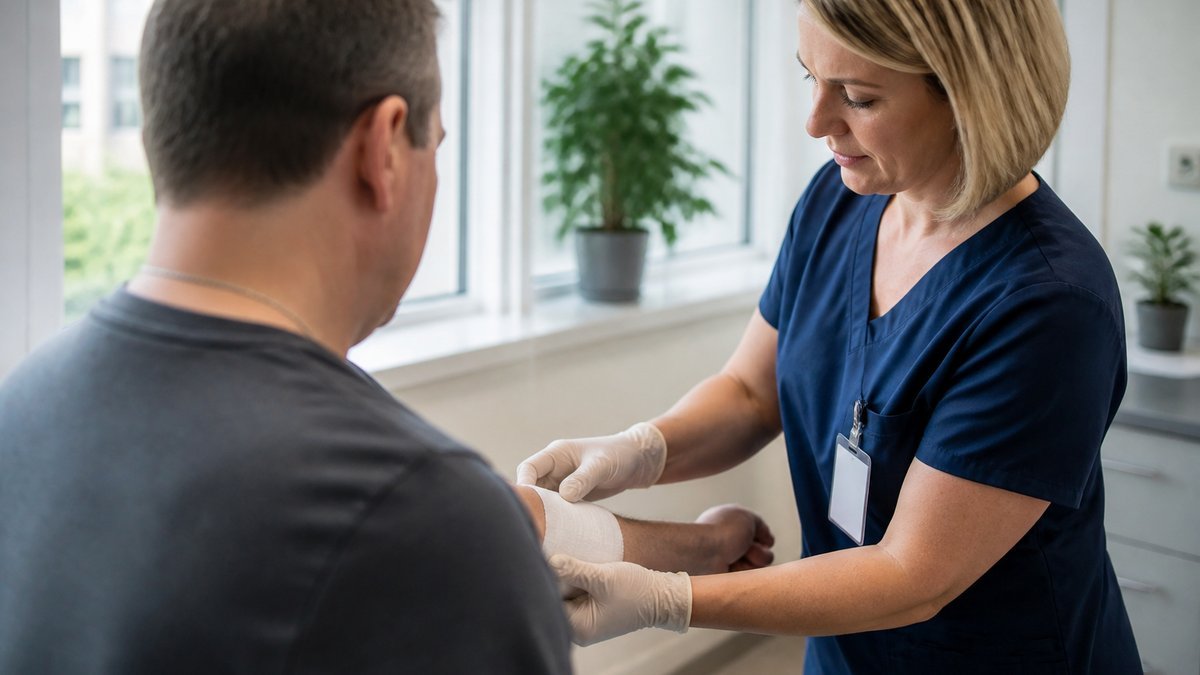
Wound care education usually begins during the first clinical visit. A physician may demonstrate proper cleaning and dressing techniques; patients benefit from practicing these steps under supervision before they attempt them independently at home. Other resources reinforce the demonstration, giving patients a reference that they can revisit.
Clinicians may also explain which signs indicate a problem. Increased redness, swelling, warmth, or discharge can signal infection, so patients should learn to identify these changes. Follow-up appointments allow providers to check healing progress and correct any technique errors. When patients manage complex wounds, such as those from surgery or chronic conditions, education may extend to lifestyle factors like nutrition, mobility, and blood sugar management. These elements influence healing speed.
Some care teams may use teach-back methods. Patients repeat the instructions in their own words, or they demonstrate the technique themselves. This approach confirms that the information was understood correctly, not just delivered.
How Is Patient Education Beneficial?
Patient education provides several benefits for wound care outcomes, including:
- Consistent self-management: Educated patients can manage their wounds more reliably between appointments.
- Early detection of infection: Patients who recognize early warning signs can seek treatment before a minor issue becomes severe.
- Improved adherence: Clear instructions and opportunities to ask questions encourage patients to follow the prescribed routine.
When patients use this guidance, they become active participants in their own recovery rather than passive recipients of care. Wound care education also supports better communication with providers. Patients who understand basic terminology and healing stages can describe changes in their wound more accurately during check-ins. Clinicians then use these details to adjust treatment plans when needed, and the adjustments may lead to better outcomes.
Consult a Specialist Today
Wound care management may work better when patients and providers share the same understanding of the treatment plan. Clear instructions, hands-on demonstrations, and ongoing communication all contribute to faster healing. If you’re managing a wound at home, ask your care team detailed questions. A professional evaluation can identify the right treatment approach, and a specialist will give you the tools to manage your recovery properly.